Journal
Where to Find Reliable Silver Bullion Buyers

The silver bullion market encompasses the trading of physical silver in the form of bars and coins, valued primarily for their precious metal content. Silver bullion serves as an investment vehicle that investors use to diversify portfolios and protect against currency devaluation and economic instability. Silver prices are determined by several key factors.
Supply and demand fundamentals play a central role, with mining production, recycling rates, and industrial consumption affecting availability. Geopolitical tensions, monetary policy changes, and macroeconomic indicators such as inflation rates and currency strength also influence price movements. Market participants include individual investors, institutional buyers, industrial users, and speculative traders.
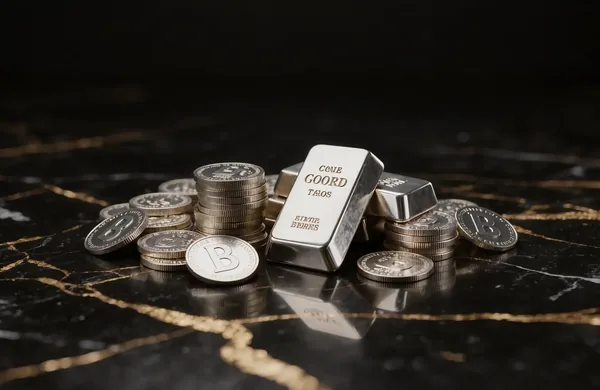
Silver bullion is available in multiple forms. Government mints produce legal tender coins such as American Silver Eagles, Canadian Maple Leafs, and Austrian Philharmonics, which carry sovereign backing and standardized purity levels. Private refineries manufacture silver bars ranging from one ounce to 1,000 ounces, typically offering lower premiums over spot price compared to coins.
Each product type has distinct liquidity characteristics and storage considerations. Industrial demand represents approximately 50% of annual silver consumption. Key applications include photovoltaic cells for solar panels, electrical contacts and conductors, medical devices, and water purification systems.
The expansion of renewable energy infrastructure and electric vehicle production has increased industrial silver consumption in recent years. This industrial component distinguishes silver from gold, creating additional price volatility based on technological and manufacturing trends. Silver prices exhibit seasonal patterns influenced by industrial demand cycles, jewelry manufacturing schedules, and investment flows.
Historical data indicates potential price strength during certain months, though these patterns are not guaranteed predictors of future performance. Market participants monitor these trends alongside technical analysis and fundamental factors when making investment decisions.
Researching Potential Buyers
When it comes to selling silver bullion, identifying potential buyers is crucial for maximizing returns. The market is diverse, with various types of buyers ranging from individual collectors to institutional investors. Conducting thorough research on potential buyers can help sellers understand their preferences and purchasing power.
This knowledge allows sellers to tailor their offerings and negotiate better deals. One effective strategy is to explore local markets and online platforms where silver bullion is actively traded. Engaging with local coin shops, precious metal dealers, and online marketplaces can provide valuable insights into buyer behavior and pricing trends.
Additionally, networking within collector communities can uncover potential buyers who are specifically interested in unique or rare pieces.
By leveraging these resources, sellers can enhance their chances of finding the right buyer for their silver bullion.
Local Coin Shops and Precious Metal Dealers
Local coin shops and precious metal dealers play a significant role in the silver bullion market. These establishments often serve as trusted sources for buying and selling precious metals. When considering selling silver bullion, visiting local coin shops can provide immediate access to potential buyers who are actively seeking inventory.
These shops typically have established customer bases and can offer competitive prices based on current market conditions. Moreover, local dealers often possess extensive knowledge about the silver market, which can be beneficial for sellers looking to understand the value of their bullion.
They can provide appraisals and insights into the best selling strategies.
Building a relationship with a reputable dealer can also lead to repeat business and referrals, creating a mutually beneficial partnership in the long run.
Online Bullion Marketplaces
The rise of technology has transformed the way silver bullion is bought and sold, with online marketplaces becoming increasingly popular. These platforms offer convenience and accessibility, allowing sellers to reach a broader audience beyond their local markets. Websites dedicated to precious metals trading provide a user-friendly interface for listing silver bullion, making it easy for sellers to showcase their products.
Online marketplaces often feature competitive pricing due to the high volume of transactions taking place. Sellers can benefit from comparing offers from multiple buyers, ensuring they receive fair market value for their bullion. Additionally, many online platforms offer secure payment options and shipping services, streamlining the selling process.
However, it’s essential for sellers to research the reputation of these marketplaces to ensure they are dealing with trustworthy buyers.
Auction Houses and Estate Sales
Auction houses and estate sales present unique opportunities for selling silver bullion, particularly for rare or collectible pieces. These venues attract collectors who are willing to pay a premium for items with historical significance or unique characteristics. Sellers can benefit from the competitive bidding environment that auctions create, potentially driving up the final sale price.
Participating in estate sales can also be advantageous for sellers looking to liquidate larger collections of silver bullion. These sales often draw in a diverse group of buyers, increasing the chances of finding interested parties willing to pay fair prices. However, it’s important for sellers to understand the auction process and associated fees before committing to this selling method.
Refiners and Mints
Refiners and mints are key players in the silver bullion market, providing services that can benefit sellers looking to convert their bullion into cash. Selling directly to refiners allows sellers to bypass intermediaries and receive competitive prices based on current market rates. Refiners assess the purity and weight of the silver before offering a price, ensuring transparency in the transaction.
Mints also offer opportunities for sellers, particularly those with government-minted coins. Some mints have buyback programs that allow individuals to sell their coins back at predetermined prices. This option can be appealing for those looking for a straightforward selling process without the need for extensive negotiations or marketing efforts.
Bullion Exchanges and Investment Firms
Bullion exchanges and investment firms provide specialized services for buying and selling silver bullion. These entities often cater to serious investors who are looking for more than just a simple transaction; they offer comprehensive market analysis, investment advice, and portfolio management services. Sellers can benefit from working with these firms by gaining access to a network of potential buyers who are actively seeking silver bullion.
Additionally, investment firms may offer liquidity options that allow sellers to convert their bullion into cash quickly. This can be particularly advantageous during times of market volatility when quick access to funds is necessary. By partnering with reputable exchanges or firms, sellers can enhance their selling experience while ensuring they receive fair value for their investments.
Checking Reviews and Reputation
Before engaging with any buyer or platform in the silver bullion market, it’s essential to check reviews and reputation. Online reviews provide valuable insights into the experiences of other sellers and buyers, helping individuals make informed decisions about where to sell their bullion. Reputable dealers and platforms will often have positive feedback highlighting their professionalism, transparency, and fair pricing.
Sellers should also consider seeking recommendations from trusted sources within the precious metals community. Engaging with forums or social media groups dedicated to silver investing can yield valuable information about reliable buyers and platforms. By prioritizing reputation checks, sellers can minimize risks associated with fraudulent transactions or unfair pricing practices.
Verifying Accreditation and Licensing
When selling silver bullion, verifying accreditation and licensing is crucial for ensuring a safe transaction. Reputable dealers should be licensed by relevant authorities and adhere to industry standards. Sellers should inquire about a dealer’s credentials before proceeding with any transaction to ensure they are dealing with a legitimate business.
Additionally, organizations such as the Professional Numismatists Guild (PNG) or the American Numismatic Association (ANA) provide accreditation for dealers who meet specific ethical standards. Working with accredited dealers not only enhances trust but also provides sellers with peace of mind knowing they are engaging in fair practices within the industry.
Understanding the Buying Process
Understanding the buying process is essential for sellers looking to navigate the silver bullion market effectively. Sellers should familiarize themselves with how transactions typically unfold, including pricing negotiations, payment methods, and shipping logistics. Being well-informed about these aspects can help sellers feel more confident during negotiations.
It’s also important for sellers to have realistic expectations regarding pricing based on current market conditions. Researching recent sales data can provide insights into fair pricing ranges for different types of silver bullion. By understanding the buying process thoroughly, sellers can position themselves strategically to achieve favorable outcomes when selling their bullion.
Selling Directly to Individual Investors
Selling directly to individual investors can be a rewarding approach for those looking to maximize returns on their silver bullion investments. This method allows sellers to establish personal connections with buyers, fostering trust and transparency throughout the transaction process. Individual investors may be more willing to negotiate prices based on personal preferences or specific interests in certain types of bullion.
To effectively reach individual investors, sellers can utilize online platforms such as social media groups or dedicated forums where collectors gather. Creating detailed listings that highlight unique features or historical significance can attract potential buyers who appreciate the value of specific pieces. By engaging directly with individual investors, sellers can create a more personalized selling experience that benefits both parties involved.
In conclusion, navigating the silver bullion market requires careful consideration of various factors ranging from understanding market dynamics to identifying potential buyers. By leveraging local coin shops, online marketplaces, auction houses, refiners, mints, exchanges, and investment firms while prioritizing reputation checks and accreditation verification, sellers can enhance their chances of achieving successful transactions. Whether opting for direct sales or working with established entities in the industry, informed decision-making is key to maximizing returns on silver bullion investments.
Questions
Straight answers on where to find reliable silver bullion buyers
What is silver bullion?
Silver bullion refers to silver in the form of bars, ingots, or coins that is valued primarily for its metal content and purity rather than its face value or collectible status.
Who are silver bullion buyers?
Silver bullion buyers are individuals or businesses that purchase silver bars, coins, or other forms of silver bullion, often for investment purposes, resale, or collection.
How do silver bullion buyers determine the value of silver?
The value of silver bullion is typically determined by the current market price of silver (spot price), the weight and purity of the silver, and sometimes a premium based on the form or rarity of the bullion.
Where can I sell silver bullion?
Silver bullion can be sold to precious metal dealers, coin shops, online bullion buyers, auction sites, or through private sales.
What should I consider when choosing a silver bullion buyer?
Important factors include the buyer’s reputation, offered price relative to the current silver spot price, fees or commissions, payment methods, and customer service.
Is it safe to sell silver bullion online?
Selling silver bullion online can be safe if you use reputable and established dealers who offer secure payment methods and insured shipping options.
Do silver bullion buyers pay based on the spot price?
Most buyers base their offers on the current spot price of silver but may adjust for premiums, condition, and market demand.
Can I sell silver bullion in any condition?
Generally, silver bullion buyers prefer items in good condition, but most will accept bullion as long as the purity and weight can be verified.
Are there taxes on selling silver bullion?
Tax regulations vary by country and region; in some places, selling silver bullion may be subject to capital gains tax or sales tax. It is advisable to consult local tax laws or a tax professional.
How quickly can I get paid when selling silver bullion?
Payment times vary depending on the buyer and method of sale but can range from immediate payment in cash to several business days for bank transfers or checks.