Journal
Understanding Silver Melt Value
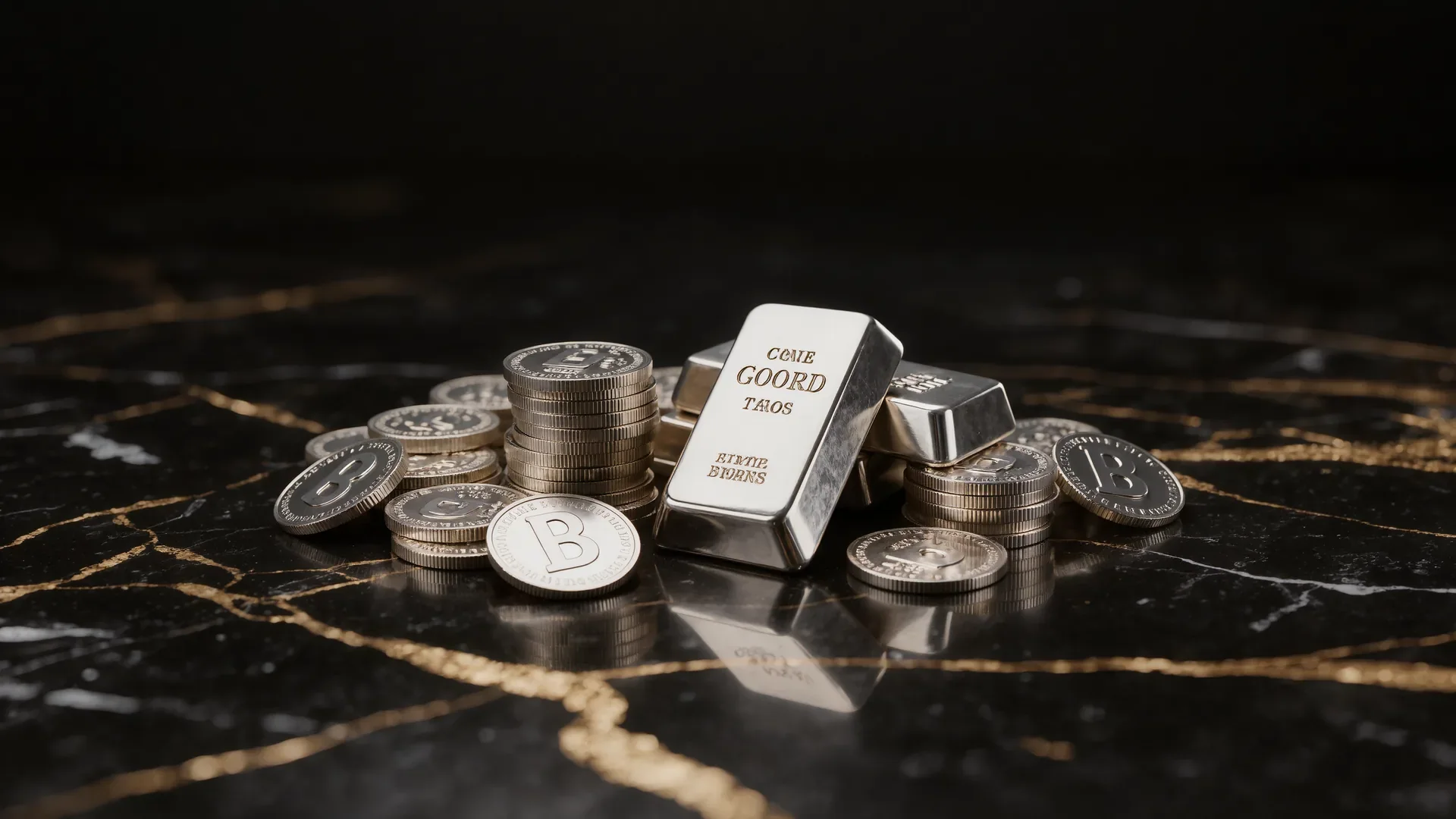
Silver melt value refers to the intrinsic worth of silver based on its weight and current market price. This value is determined by the amount of pure silver contained in an item, such as coins, bars, or jewelry, multiplied by the current spot price of silver. Investors and collectors often use this metric to assess the potential return on their silver investments.
Understanding silver melt value is crucial for anyone looking to buy, sell, or trade silver items, as it provides a clear indication of their worth in the market. The concept of melt value is particularly important in the context of numismatic coins, which may have a collectible value that exceeds their melt value. However, for those primarily interested in the metal content, knowing the melt value helps in making informed decisions.
Whether you are a seasoned investor or a newcomer to the world of precious metals, grasping the fundamentals of silver melt value can significantly enhance your investment strategy.
Factors that Affect Silver Melt Value
Several factors influence the silver melt value, with the most significant being the current spot price of silver. This price fluctuates based on market demand, geopolitical events, and economic conditions. When demand for silver rises, so does its price, directly impacting the melt value of silver items.
Conversely, during periods of low demand or economic downturns, the spot price may decrease, leading to a lower melt value. Another critical factor is the purity of the silver. Silver items are often not made from 100% pure silver; instead, they may contain alloys that reduce their overall silver content.
For example, sterling silver is composed of 92.5% silver and 7.5% other metals. To accurately determine melt value, one must consider the purity level of the item in question. Additionally, market trends and investor sentiment can also play a role in determining how much buyers are willing to pay for silver based on its melt value.
How to Calculate Silver Melt Value
Calculating silver melt value is a straightforward process that involves a few simple steps. First, you need to determine the weight of the silver item in troy ounces. Next, find out the current spot price of silver per troy ounce.
Once you have these two figures, you can use the following formula: **Silver Melt Value = (Weight in Troy Ounces) x (Current Spot Price)** For example, if you have a silver coin weighing 1 ounce and the current spot price is $25 per ounce, the melt value would be $25. If the item has a purity level less than 100%, you must adjust the weight accordingly. For instance, if it’s sterling silver (92.5% purity), you would calculate it as follows: **Adjusted Weight = (Weight in Troy Ounces) x (Purity Percentage)** This method ensures that you arrive at an accurate representation of your silver item's melt value.
Understanding the Spot Price of Silver
The spot price of silver is the current market price at which silver can be bought or sold for immediate delivery. This price fluctuates throughout the trading day based on supply and demand dynamics in global markets. Factors such as economic indicators, currency strength, and geopolitical tensions can all influence the spot price.
Investors often track the spot price closely to make informed decisions about buying or selling silver. It’s essential to understand that while the spot price provides a baseline for determining melt value, actual selling prices may vary due to premiums charged by dealers or collectors. These premiums can be influenced by factors such as rarity, condition, and demand for specific items.
The Role of Purity in Silver Melt Value
Purity plays a vital role in determining the melt value of silver items. The purity level indicates how much of the item is composed of pure silver versus other metals or alloys. Common purity levels include fine silver (99.9% pure), sterling silver (92.5% pure), and coin silver (90% pure).
To accurately calculate melt value, it’s crucial to know the purity level of your silver item. For instance, if you have a sterling silver piece weighing 10 ounces, only 9.25 ounces are pure silver. This means that when calculating its melt value, you should only consider the weight of pure silver multiplied by the current spot price.
Understanding purity not only helps in calculating melt value but also affects resale potential. Items with higher purity levels often command higher prices in the market due to their desirability among collectors and investors.
Historical Significance of Silver Melt Value
The historical significance of silver melt value dates back centuries when silver was used as currency and a store of wealth.
Ancient civilizations recognized the value of silver for trade and commerce, leading to its widespread use in coins and jewelry.
Over time, as economies evolved and fiat currencies emerged, the intrinsic value of silver remained relevant.
In modern times, understanding historical trends in silver melt value can provide insights into market behavior and investment opportunities. For example, during economic crises or periods of inflation, investors often turn to precious metals like silver as a safe haven asset. This historical context can help investors make informed decisions about when to buy or sell based on past performance.
Comparing Silver Melt Value to Other Precious Metals
When considering investments in precious metals, it’s essential to compare silver melt value with that of other metals like gold and platinum. Gold typically has a higher melt value due to its rarity and desirability; however, it also comes with a higher entry cost for investors. Platinum often has a similar or even higher melt value than gold but can be more volatile due to its industrial applications.
Silver offers a unique position in this landscape as it is more affordable for entry-level investors while still providing significant potential for appreciation. Additionally, unlike gold and platinum, silver has extensive industrial uses, which can drive demand beyond just investment purposes. Investors should weigh these factors when considering their portfolios and decide how much exposure they want to precious metals based on their individual financial goals.
Investing in Silver Melt Value
Investing in silver based on its melt value can be a strategic move for those looking to diversify their portfolios or hedge against inflation. Silver is often seen as a more accessible option compared to gold due to its lower price point per ounce. This makes it an attractive choice for new investors who want to enter the precious metals market without significant capital.
When investing in silver melt value, it’s essential to consider various forms of investment such as bullion coins, bars, or even ETFs that track silver prices. Each option has its advantages and disadvantages regarding liquidity, storage costs, and premiums over spot prices. Additionally, staying informed about market trends and fluctuations in spot prices will help investors make timely decisions about buying or selling their silver holdings.
Selling Silver Based on Melt Value
Selling silver based on its melt value can be a straightforward process if you understand how to assess your items accurately. Before selling, ensure you have calculated the melt value based on weight and purity accurately. This will give you a solid foundation for negotiations with potential buyers or dealers.
When selling your silver items, consider various avenues such as local coin shops, online marketplaces, or auction sites. Each option has its pros and cons regarding convenience and potential selling price.
Local dealers may offer immediate cash but could provide lower prices than online platforms where competition drives prices up.
Regardless of where you choose to sell your silver, having a clear understanding of its melt value will empower you during negotiations and help you achieve a fair price.
Utilizing Silver Melt Value in Jewelry and Collectibles
Silver melt value is not only relevant for investors but also for those who own jewelry or collectibles made from silver. Understanding this value can help individuals make informed decisions about selling or insuring their items. For instance, if you have inherited jewelry that contains significant amounts of silver, knowing its melt value can guide you in determining whether to keep it for sentimental reasons or sell it for cash.
Additionally, collectors often seek out pieces with historical significance or unique designs that may command higher prices than their melt value alone suggests. In such cases, understanding both the collectible and melt values can provide a comprehensive view of an item's worth. For those looking to repurpose old jewelry into new designs or sell them as scrap metal, knowing the melt value ensures that you receive fair compensation based on current market conditions.
The Future of Silver Melt Value
The future of silver melt value remains promising as global demand for precious metals continues to grow. Factors such as increasing industrial applications for silver—particularly in technology and renewable energy—are likely to drive demand higher over time. Additionally, economic uncertainties may lead more investors to seek refuge in tangible assets like silver.
However, potential investors should remain aware of market volatility and fluctuations in spot prices that can impact melt values significantly. Staying informed about global economic trends and technological advancements will be crucial for anyone looking to invest in or sell silver based on its melt value. In conclusion, understanding silver melt value is essential for anyone involved in buying or selling this precious metal.
By grasping its significance and how various factors influence it, you can make informed decisions that align with your financial goals. Whether you're looking to invest in silver or simply want to understand its worth better, staying educated about these aspects will empower you in your financial journey.
Questions
Straight answers on understanding silver melt value
What is silver melt value?
Silver melt value refers to the worth of silver based solely on its weight and the current market price of silver per ounce or gram. It represents the amount of money you would receive if you melted down a silver item and sold the raw silver content.
How is silver melt value calculated?
Silver melt value is calculated by multiplying the weight of the silver item (usually in troy ounces or grams) by the current spot price of silver. For example, if you have 1 troy ounce of silver and the spot price is $25 per ounce, the melt value is $25.
Does silver melt value include craftsmanship or collectible value?
No, silver melt value only accounts for the metal content and its market price. It does not include any additional value from craftsmanship, rarity, brand, or collectible significance.
Where can I find the current silver spot price?
The current silver spot price is available on financial news websites, commodity exchanges, and precious metals dealers’ websites. It fluctuates throughout the trading day based on market demand and supply.
Is the melt value the same as the resale value of silver items?
Not necessarily. The resale value can be higher or lower than the melt value depending on the item’s condition, design, rarity, and buyer interest. Melt value is the baseline value based on metal content alone.
Can all silver items be melted for their melt value?
Most silver items can be melted for their melt value, but some may have restrictions due to legal, historical, or collectible reasons. Additionally, melting may not be cost-effective for small or low-purity items.
What purity of silver is used to calculate melt value?
Silver melt value is typically calculated using the actual purity of the silver item, such as sterling silver (92.5% pure) or fine silver (99.9% pure). The purity affects the amount of pure silver content and thus the melt value.
Are there fees or costs associated with melting silver?
Yes, there may be fees for refining, melting, or processing silver, which can reduce the net amount received. Dealers or refineries often charge a fee or offer a price below spot to cover these costs.
Why is understanding silver melt value important?
Knowing the silver melt value helps sellers and buyers understand the minimum intrinsic worth of silver items, ensuring fair transactions and informed decisions when buying, selling, or recycling silver.