Journal
Maximizing Silver Resale Value
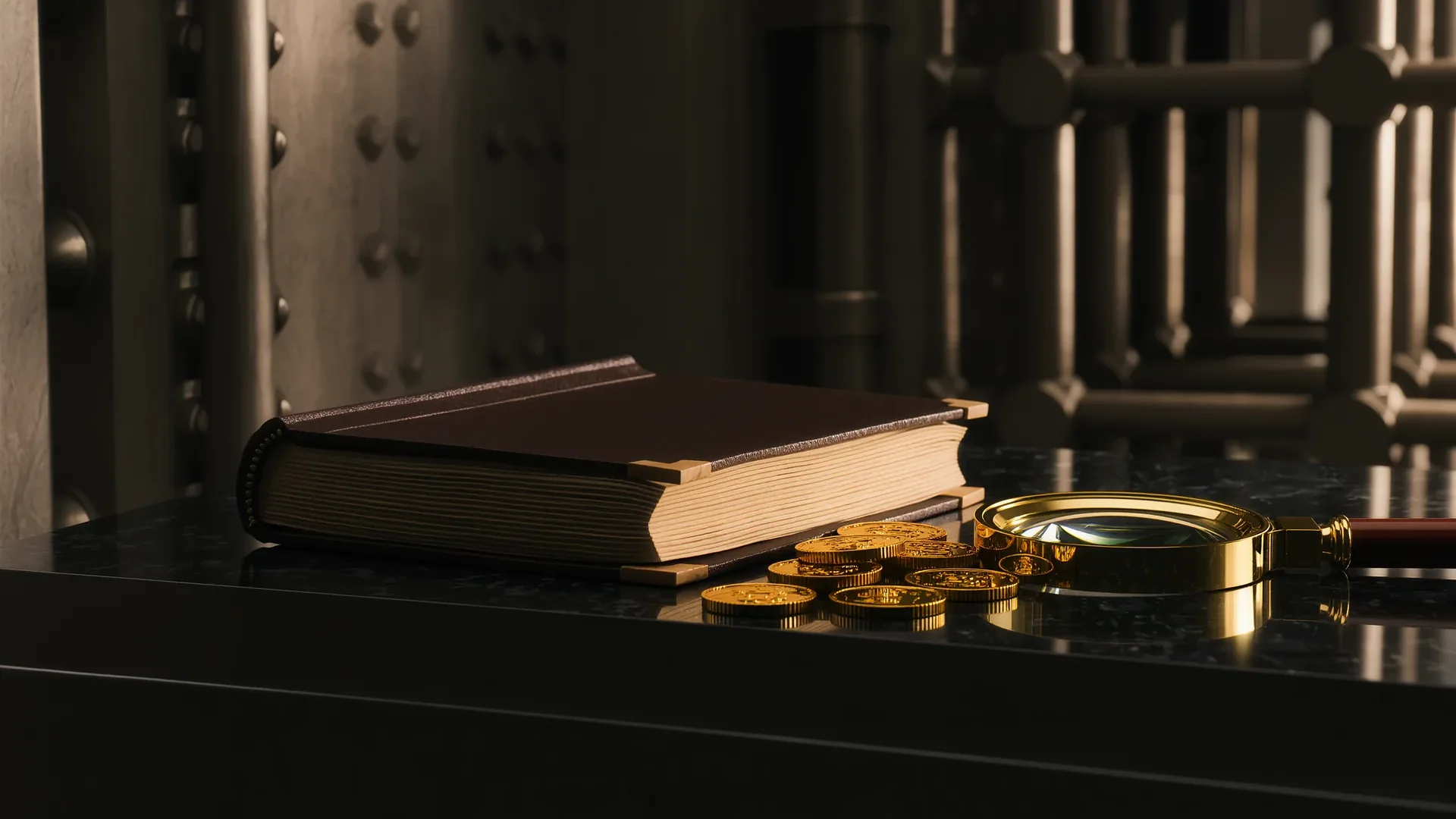
The silver resale market operates as a complex system influenced by multiple economic and consumer factors. Silver items including coins, jewelry, and flatware can be sold through various channels, with prices determined by current market conditions, item purity, and demand levels. Silver prices fluctuate based on several key factors: global economic stability, industrial demand from sectors such as electronics and solar energy, investment demand, and currency values.
Industrial applications account for approximately 50% of annual silver consumption, while investment demand and jewelry production comprise the remaining portions. Market data indicates increased silver investment activity during periods of economic uncertainty, as investors seek alternative assets to traditional currencies and stocks. The metal's dual role as both an industrial commodity and store of value creates price volatility that affects resale opportunities.
Consumer interest in recycled and sustainably sourced materials has expanded the secondary silver market. Environmental considerations now influence purchasing decisions, with some buyers specifically seeking pre-owned silver items to reduce mining impact. This trend has created additional demand channels for silver resellers.
Current market conditions, silver spot prices, item condition, and purity levels directly impact resale values. Sellers benefit from understanding these variables and timing their sales according to market cycles and seasonal demand patterns.
Identifying High-Quality Silver Items
Identifying high-quality silver items is a critical step in the resale process. Not all silver is created equal; understanding the differences between sterling silver, coin silver, and plated items can significantly impact your selling strategy. Sterling silver, which contains 92.5% pure silver, is the most sought-after type for resale.
Coin silver, historically used in U.S. coins, typically contains 90% silver and can also be valuable. On the other hand, silver-plated items may not hold much resale value.
To ensure you are selling high-quality items, look for hallmarks or stamps that indicate purity and authenticity. Common marks include "925" for sterling silver and "800" for European silver. Familiarizing yourself with these markings can help you distinguish valuable pieces from less desirable ones.
Additionally, consider the craftsmanship and design of the item; unique or antique pieces often fetch higher prices due to their rarity and aesthetic appeal.
Cleaning and Maintaining Silver Items
Proper cleaning and maintenance of silver items are essential for preserving their value and appearance. Over time, silver can tarnish due to exposure to air and moisture, which can detract from its luster. Regular cleaning can help maintain the shine and prevent long-term damage.
However, it’s important to use the right cleaning methods to avoid scratching or damaging delicate pieces. For routine cleaning, a gentle solution of warm water and mild dish soap can effectively remove dirt and tarnish. Use a soft cloth or sponge to gently wipe the surface, ensuring you avoid abrasive materials that could scratch the silver.
For more stubborn tarnish, specialized silver polish or a baking soda paste can be used sparingly. After cleaning, always dry the items thoroughly to prevent water spots and further tarnishing.
Knowing the Current Market Value of Silver
Understanding the current market value of silver is crucial for anyone looking to sell their items effectively. The price of silver fluctuates daily based on market conditions, including supply and demand dynamics, geopolitical events, and economic indicators. Keeping an eye on these factors can help sellers determine the best time to sell their silver items.
To stay updated on silver prices, consider using financial news websites or apps that track commodity prices in real-time. Additionally, local coin shops or precious metal dealers can provide insights into current market trends and valuations. By knowing the current market value of silver, sellers can set competitive prices that attract buyers while ensuring they receive fair compensation for their items.
Selling Silver Items at the Right Time
Timing is everything when it comes to selling silver items. The market for precious metals can be volatile, with prices rising and falling based on various external factors. To maximize profits, sellers should aim to sell when prices are high or when demand is particularly strong.
One effective strategy is to monitor market trends over time. Historical data can provide insights into seasonal fluctuations in silver prices. For instance, prices may rise during economic downturns or periods of inflation as investors seek safe-haven assets.
Additionally, keeping an eye on global events that could impact supply chains or demand can help sellers identify optimal selling windows.
Negotiating with Potential Buyers
Negotiating with potential buyers is a vital skill in the resale process. Whether selling directly to individuals or through online platforms, effective negotiation can significantly impact your final sale price. Start by establishing a clear understanding of your item's value based on current market conditions and comparable sales.
When engaging with buyers, be prepared to justify your asking price with facts about the item's quality, condition, and market demand. Building rapport with potential buyers can also facilitate smoother negotiations; showing genuine interest in their needs can create a more favorable selling environment. Remember to remain flexible but firm in your pricing strategy to ensure you achieve a satisfactory outcome.
Utilizing Online Platforms for Reselling Silver
The rise of e-commerce has transformed how individuals buy and sell silver items. Online platforms provide sellers with access to a broader audience than traditional methods like local markets or auctions. Websites such as eBay, Etsy, and specialized marketplaces for precious metals allow sellers to showcase their items effectively.
When utilizing online platforms, it’s essential to create compelling listings that highlight the unique features of your silver items. High-quality photographs and detailed descriptions can attract potential buyers and instill confidence in your offerings. Additionally, consider leveraging social media channels to promote your listings further; platforms like Instagram and Facebook can help you reach niche audiences interested in vintage or collectible silver pieces.
Seeking Professional Appraisal Services
For those unsure about the value of their silver items or looking to sell high-value pieces, seeking professional appraisal services can be beneficial. Appraisers have the expertise to assess the quality and worth of your items accurately. They consider factors such as purity, craftsmanship, historical significance, and current market trends when determining value.
Professional appraisals not only provide peace of mind but also serve as valuable documentation if you plan to sell through auction houses or dealers. Having an official appraisal can enhance your credibility as a seller and potentially lead to higher offers from buyers who trust the valuation process.
Considering Melting and Refining Options
In some cases, sellers may consider melting or refining their silver items instead of selling them as-is. This option is particularly relevant for damaged or broken pieces that may not hold significant collectible value but contain a substantial amount of pure silver. Melting down these items allows sellers to capitalize on the intrinsic value of the metal itself.
Before proceeding with melting or refining options, it’s essential to weigh the potential financial benefits against any sentimental value associated with the items. Additionally, research reputable refiners who offer fair pricing based on current market rates for raw silver. This approach ensures that you receive a competitive return while making an informed decision about your silver assets.
Showcasing Silver Items for Maximum Appeal
Presentation plays a crucial role in attracting buyers when selling silver items. Whether you’re listing online or showcasing at a local market, how you display your pieces can significantly influence buyer interest. Cleanliness is paramount; ensure that all items are polished and free from tarnish before presenting them.
Consider using attractive displays or props that complement your silver items’ aesthetic appeal. For example, vintage jewelry can be showcased on elegant stands or within decorative boxes that enhance their charm. High-quality photographs are also essential for online listings; natural lighting and clear backgrounds can make your items stand out in a crowded marketplace.
Staying Informed about Silver Market Trends
Staying informed about silver market trends is vital for anyone involved in buying or selling silver items. Regularly following industry news, subscribing to newsletters from precious metal analysts, or joining online forums dedicated to precious metals can provide valuable insights into market movements.
Understanding macroeconomic factors that influence silver prices—such as inflation rates, currency fluctuations, and global demand—can help sellers make informed decisions about when to buy or sell their items.
By remaining proactive in monitoring these trends, sellers can position themselves advantageously within the ever-changing landscape of the silver resale market. In conclusion, navigating the world of silver resale requires knowledge, strategy, and attention to detail. By understanding the market dynamics, identifying high-quality items, maintaining their condition, and staying informed about trends, sellers can maximize their profits while enjoying the process of sharing their valuable pieces with others.
Whether you’re a seasoned seller or just starting out, these insights will empower you to make informed decisions in your silver resale journey.
Questions
Straight answers on maximizing silver resale value
What factors influence the resale value of silver?
The resale value of silver is primarily influenced by its purity, weight, current market price of silver, and the form in which it is sold (e.g., coins, bars, jewelry). Economic conditions and demand for silver also play significant roles.
How is the resale value of silver determined?
The resale value is typically determined by multiplying the weight of the silver by the current spot price of silver per ounce, adjusted for purity. Dealers may also consider condition, rarity, and demand when offering a price.
Does the condition of silver items affect their resale value?
Yes, the condition can affect resale value, especially for collectible or antique silver items. For bullion or scrap silver, condition is less important, and value is mostly based on weight and purity.
Where can I sell silver for the best resale value?
Silver can be sold to precious metal dealers, pawn shops, online marketplaces, or through private sales. Comparing offers from multiple sources can help ensure the best resale value.
Is it better to sell silver as scrap or as collectible items?
Selling silver as collectible items can yield higher resale value if the items are rare or in demand. Scrap silver is valued mainly for its metal content, so it generally fetches a lower price per ounce.
How does the purity of silver affect its resale value?
Higher purity silver (such as .999 fine silver) typically has a higher resale value than lower purity silver (such as sterling silver, which is .925 fine) because it contains more pure silver per unit weight.
What is the difference between spot price and resale value of silver?
The spot price is the current market price for one ounce of pure silver. Resale value is the amount a buyer is willing to pay for your silver, which may be lower than the spot price due to dealer fees, condition, and form of the silver.
Can silver jewelry be sold for its silver content?
Yes, silver jewelry can be sold for its silver content, but the resale value will depend on the purity and weight of the silver. However, jewelry may also have additional value as a finished product, which can affect the price.
How often does the resale value of silver change?
The resale value of silver fluctuates daily based on the global commodities market and economic factors. It is important to check current prices before selling.
Are there any fees or commissions when selling silver?
Many buyers or dealers charge fees or offer prices below the spot price to cover their costs and profit margins. It is advisable to inquire about any fees or commissions before completing a sale.