Journal
Unlocking the Value: Silver Appraisal Tips
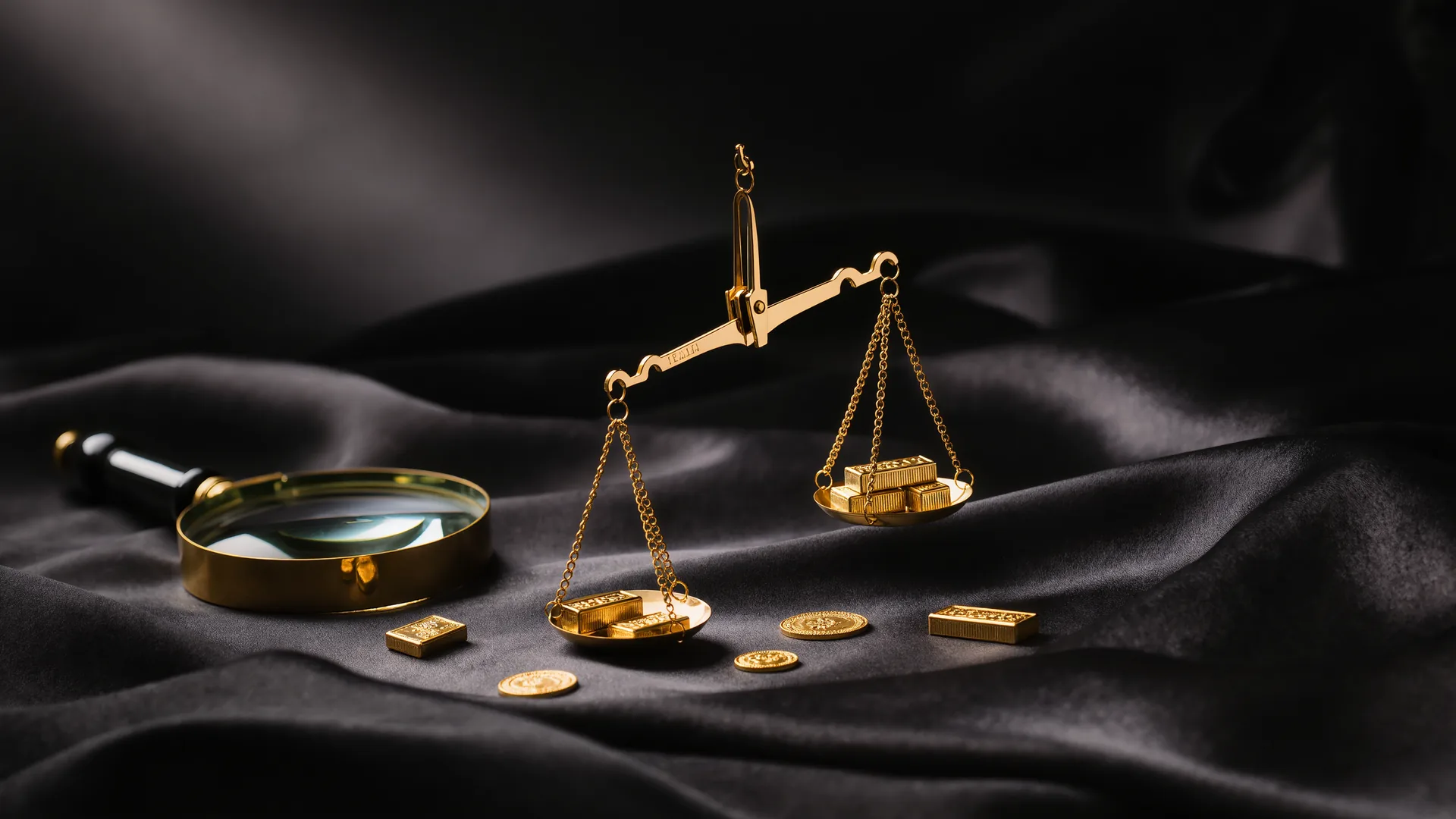
Silver appraisal is the systematic evaluation of silver items to determine their monetary value. This process applies to various forms of silver including coins, jewelry, flatware, and collectible objects. Appraisals serve multiple purposes: establishing fair market value for sales transactions, determining replacement costs for insurance coverage, and providing documentation for estate planning or tax purposes.
The appraisal methodology examines several key variables that influence value. Silver purity, measured in fineness or sterling content, directly affects worth.
Physical condition impacts value, with factors such as wear, damage, or restoration affecting final assessments.
Market conditions, including current silver spot prices and collector demand, also influence valuations. Additional considerations include rarity, historical significance, maker marks, and craftsmanship quality. Professional appraisers utilize standardized testing methods to verify silver content, including acid tests, electronic testing, and X-ray fluorescence analysis.
They reference current market data, auction records, and industry pricing guides to establish accurate valuations. Understanding these evaluation criteria enables silver owners to better assess their holdings and make informed decisions regarding their collections.
Identifying Different Types of Silver
When it comes to silver appraisal, identifying the type of silver is crucial. There are several categories, including sterling silver, coin silver, and silver-plated items. Sterling silver, which contains 92.5% pure silver, is often the most valuable.
Coin silver, historically used in U.S. coins, typically contains 90% silver and is also sought after by collectors. Silver-plated items, on the other hand, are made from a base metal coated with a thin layer of silver.
While they may have aesthetic appeal, their market value is significantly lower than that of solid silver items. Understanding these distinctions can help you accurately assess the worth of your collection and make informed decisions about buying or selling.
Determining the Purity of Silver
Determining the purity of silver is a vital step in the appraisal process. The purity is usually expressed in parts per thousand; for example, sterling silver is 925 parts per thousand pure silver. To assess purity, you can look for stamps or hallmarks on the item, which often indicate its silver content.
Common marks include "925," "sterling," or "coin." If no markings are present, you may need to conduct further tests. Acid tests and electronic testers are popular methods for determining purity. These tests can provide a reliable indication of the silver content without damaging the item.
Knowing the purity level not only affects the item's value but also informs potential buyers about its quality.
Evaluating the Condition of Silver Items
The condition of your silver items plays a significant role in their overall value.
Items that are well-preserved and free from damage will generally fetch higher prices than those that show signs of wear and tear.
Factors to consider include scratches, dents, tarnish, and any repairs that may have been made over time.
Cleaning and maintaining your silver can enhance its condition and value. However, it’s essential to use appropriate cleaning methods to avoid causing damage. For instance, harsh chemicals can strip away patina and reduce value.
Regular inspections and proper storage can help maintain your silver's condition over time.
Researching the Market Value of Silver
Researching the market value of silver is essential for anyone looking to buy or sell silver items. The market value fluctuates based on various factors, including current demand, economic conditions, and trends in collecting. Websites dedicated to precious metals often provide up-to-date pricing information that can guide your appraisal.
Additionally, auction results and sales data from reputable dealers can offer insights into what similar items have sold for recently. Understanding these market dynamics allows you to set realistic expectations for your silver's worth and helps you make informed decisions when buying or selling.
Assessing the Historical and Cultural Significance of Silver
The historical and cultural significance of silver items can greatly influence their value. Items with rich histories or those associated with specific cultural practices often command higher prices. For example, antique silverware from renowned makers or pieces with unique craftsmanship can be particularly valuable.
Researching the provenance of your items can provide context that enhances their appeal to collectors. Documentation such as receipts, certificates of authenticity, or historical records can add credibility to your appraisal and increase buyer interest.
Considering the Brand or Maker of Silver Items
The brand or maker of a silver item can significantly impact its value. Renowned silversmiths and manufacturers often produce pieces that are highly sought after by collectors. Items made by famous brands like Tiffany & Co., Gorham, or Reed & Barton typically carry a premium due to their reputation for quality and craftsmanship.
When appraising your silver items, it’s essential to identify the maker and research their history and market presence. This information can help you understand how much more your item might be worth compared to similar pieces from lesser-known makers.
Consulting with Professional Appraisers
Consulting with professional appraisers is a wise step for anyone serious about understanding their silver's value. Professional appraisers have the expertise and experience necessary to provide accurate assessments based on current market conditions and trends. They can also offer insights into factors you may not have considered.
When choosing an appraiser, look for credentials such as membership in professional organizations like the American Society of Appraisers (ASA) or the International Society of Appraisers (ISA). A qualified appraiser will provide a detailed report that includes photographs and descriptions of your items, which can be invaluable for insurance purposes or resale.
Taking Care of Silver Items to Maintain Their Value
Taking care of your silver items is crucial for maintaining their value over time. Proper storage is essential; keep your silver in a cool, dry place away from direct sunlight to prevent tarnishing and damage. Using anti-tarnish cloths or bags can also help protect your items from oxidation.
Regular cleaning is important but should be done carefully to avoid scratching or damaging the surface. Use gentle cleaning solutions specifically designed for silver and avoid abrasive materials. By taking these steps, you can ensure that your silver retains its beauty and value for years to come.
Exploring Different Appraisal Methods for Silver
There are various methods for appraising silver items, each with its advantages and disadvantages. The most common methods include comparative analysis, where similar items are evaluated based on recent sales data; cost approach, which considers the cost to replace an item; and income approach, which estimates potential income generated from an item. Each method has its place depending on the context of the appraisal.
For instance, comparative analysis is often favored for collectibles due to its reliance on actual market data. Understanding these methods can help you choose the right approach when seeking an appraisal for your silver items.
Understanding the Role of Appraisal in Estate Planning and Insurance
Appraisals play a vital role in estate planning and insurance coverage for silver items. Accurate appraisals ensure that your assets are appropriately valued in case of inheritance disputes or estate taxes. They also provide essential documentation for insurance purposes, helping you secure adequate coverage against loss or damage.
Having a professional appraisal can simplify the process during estate settlements and provide peace of mind knowing that your valuable items are protected. Regularly updating appraisals as market conditions change ensures that you remain informed about your assets' current worth. In conclusion, understanding silver appraisal is essential for anyone involved in buying or selling silver items.
From identifying different types of silver to consulting with professional appraisers, each step plays a crucial role in determining value. By taking care of your items and staying informed about market trends, you can maximize their worth while enjoying the beauty and history they represent. If you're ready to get an accurate appraisal for your silver items or need expert advice on maintaining their value, contact us today!
Our team of professional appraisers is here to help you navigate the world of silver appraisal with confidence and clarity.
Questions
Straight answers on unlocking the value
What is silver appraisal?
Silver appraisal is the process of evaluating the value of silver items, such as jewelry, coins, flatware, or antiques, based on factors like purity, weight, craftsmanship, and market demand.
Why is silver appraisal important?
Silver appraisal is important for determining the accurate market value of silver items for purposes such as insurance, resale, estate planning, or liquidation.
Who can perform a silver appraisal?
A qualified appraiser with expertise in precious metals, particularly silver, can perform a silver appraisal. This may include certified gemologists, antique dealers, or professional appraisers specializing in metals.
What factors affect the value of silver during appraisal?
Factors include the purity of the silver (measured in fineness or sterling standard), weight, condition, age, rarity, craftsmanship, and current market price of silver.
How is the purity of silver determined?
Purity is often determined by hallmarks or stamps on the item, such as "925" for sterling silver, or through testing methods like acid tests, X-ray fluorescence (XRF), or electronic testers.
Can silver appraisal values fluctuate?
Yes, silver appraisal values can fluctuate based on changes in the market price of silver and demand for specific types of silver items.
Is an appraisal the same as a silver buyback offer?
No, an appraisal provides an estimated value of the silver item, while a buyback offer is a price a buyer is willing to pay, which may be lower than the appraised value.
How often should silver items be appraised?
It is recommended to have silver items appraised every few years or when there is a significant change in the market or personal circumstances, such as insurance updates or estate planning.
What documentation is provided after a silver appraisal?
Appraisers typically provide a written report detailing the description of the item, its condition, purity, weight, and the estimated value based on current market conditions.
Can silver appraisal help in identifying counterfeit items?
Yes, a professional appraisal can help identify counterfeit or altered silver items by assessing authenticity and verifying purity.