Journal
Maximize Your Profits: Sell Silver Bars Today
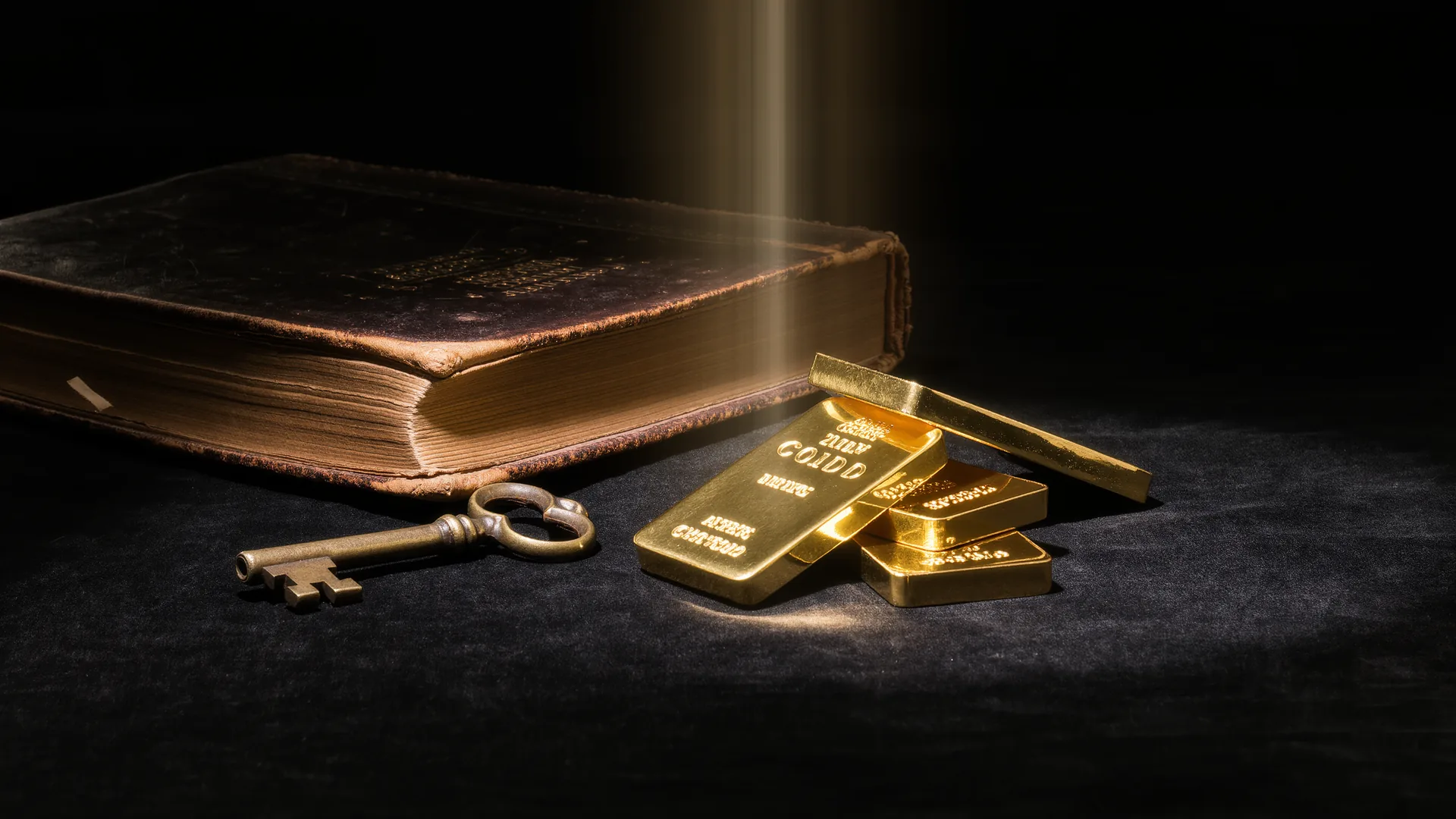
The silver bar market has experienced considerable volatility in recent years due to multiple economic variables and shifting investor behavior. Silver functions as a precious metal commodity that investors frequently utilize as a hedge against economic instability and inflation. Investment demand for physical silver bars has grown as investors seek tangible assets that offer portfolio diversification and potential capital appreciation.
Silver demand stems from three primary sectors: industrial applications (including electronics, solar panels, and medical equipment), jewelry manufacturing, and investment purchases. Industrial consumption accounts for approximately 50-60% of annual silver demand, making the metal sensitive to economic cycles and technological developments. This diverse demand base creates complex pricing dynamics that sellers must understand when entering the market.
Silver prices operate within a global marketplace influenced by multiple factors including mining supply levels, currency fluctuations, interest rates, and geopolitical events. The London Bullion Market Association (LBMA) and COMEX futures markets establish international pricing benchmarks that affect local silver bar values. Supply disruptions from major producing countries such as Mexico, Peru, and China can create price volatility, while changes in industrial demand or investment flows can significantly impact market conditions.
Market timing considerations are essential for silver bar sellers, as prices can fluctuate substantially within short periods. Historical data shows silver exhibits higher volatility compared to gold, with price swings of 20-30% occurring within months during periods of market stress. Sellers benefit from monitoring economic indicators, Federal Reserve policy decisions, and global supply-demand fundamentals to optimize their selling strategy and maximize returns.
Understanding the Value of Your Silver Bars
To effectively sell your silver bars, it is vital to understand their value. The value of silver bars is primarily determined by their weight and purity, typically measured in troy ounces. Most silver bars contain 99.9% pure silver, which is considered investment-grade.
Additionally, the current market price of silver plays a significant role in determining the value of your bars. Sellers should regularly check the spot price of silver to gauge how much they can expect to receive. Another factor influencing the value of silver bars is their brand or minting source.
Well-known mints, such as the Royal Canadian Mint or the Perth Mint, often command higher prices due to their reputation for quality and authenticity. Collectible or limited-edition bars may also fetch a premium over standard bullion bars. Understanding these nuances will help sellers accurately assess the worth of their silver bars and set realistic expectations when entering the market.
Tips for Selling Your Silver Bars
When it comes to selling your silver bars, preparation is key. First, ensure that your bars are clean and well-maintained, as this can affect their appeal to potential buyers. Take high-quality photographs if you plan to sell online, showcasing the bars' details and any unique features.
Additionally, gather any relevant documentation, such as purchase receipts or certificates of authenticity, which can enhance buyer confidence. Next, consider your selling strategy. You can choose to sell your silver bars through various channels, including online marketplaces, local coin shops, or precious metal dealers.
Each option has its pros and cons, so weigh them carefully based on your priorities—whether it's convenience, price, or speed of sale. By being well-prepared and strategic in your approach, you can maximize your chances of a successful sale.
Finding the Right Buyer for Your Silver Bars
Finding the right buyer for your silver bars is crucial to achieving a favorable sale. Start by researching potential buyers in your area or online. Look for reputable dealers with positive reviews and a history of fair transactions.
Online platforms like eBay or specialized precious metal marketplaces can also be viable options, but ensure you understand their fees and policies before listing your items. Networking within local coin clubs or online forums dedicated to precious metals can also help you connect with interested buyers. Engaging with fellow enthusiasts can provide insights into current market trends and potential buyers who are actively seeking silver bars.
By taking the time to find the right buyer, you can enhance your selling experience and potentially secure a better price for your silver bars.
The Importance of Research and Comparison
Researching the market before selling your silver bars is essential for making informed decisions. Start by comparing prices from different buyers and platforms to understand the going rates for similar products. This will give you a benchmark for what you can expect to receive for your silver bars.
Websites that track precious metal prices can provide valuable insights into current market conditions. Additionally, consider reaching out to multiple dealers for quotes before committing to a sale. This not only helps you gauge the best price but also allows you to assess the professionalism and customer service of each dealer.
By conducting thorough research and comparison shopping, you can ensure that you are getting the best possible deal when selling your silver bars.
How to Properly Store and Transport Your Silver Bars
Proper storage and transportation of your silver bars are critical to maintaining their condition and value. Store your bars in a cool, dry place away from direct sunlight to prevent tarnishing or damage.
Consider using protective cases or bags specifically designed for precious metals to minimize exposure to air and moisture.
When transporting your silver bars, take extra precautions to ensure their safety. Use padded containers or secure packaging to prevent movement during transit. If you're meeting a buyer in person, choose a public location that feels safe and secure for both parties.
By taking these steps, you can protect your investment and ensure that your silver bars remain in excellent condition throughout the selling process.
Avoiding Common Mistakes When Selling Silver Bars
Selling silver bars can be a straightforward process if you avoid common pitfalls that many sellers encounter. One frequent mistake is underestimating the importance of timing; selling during a market dip can lead to lower returns. Stay informed about market trends and consider waiting for favorable conditions before selling.
Another common error is failing to verify buyer credentials. Always conduct due diligence on potential buyers to ensure they are reputable and trustworthy.
Scams are prevalent in the precious metals market, so protecting yourself is paramount.
By being aware of these common mistakes and taking proactive measures, you can navigate the selling process more effectively.
Negotiating the Best Price for Your Silver Bars
Negotiation is an integral part of selling silver bars, and being prepared can significantly impact your final sale price. Start by knowing the current market value of silver and having a clear understanding of what you want for your bars. This knowledge will empower you during negotiations and help you advocate for a fair price.
When engaging with potential buyers, be open yet firm about your expectations. Listen carefully to their offers and be willing to counter with reasonable alternatives based on your research. Building rapport with buyers can also facilitate smoother negotiations; showing genuine interest in their needs may lead them to offer a better price for your silver bars.
Deciding whether to sell your silver bars online or in-person depends on various factors, including convenience, speed, and potential profit margins. Selling online offers broader exposure to potential buyers but may involve additional fees or shipping costs that could eat into your profits. Platforms like eBay or specialized precious metal websites provide access to a larger audience but require careful consideration of listing practices.
On the other hand, selling in-person allows for immediate payment and eliminates shipping risks but may limit your buyer pool to local markets. Local coin shops or precious metal dealers can provide quick transactions but may offer lower prices than online sales due to overhead costs. Weighing these options carefully will help you choose the best method for selling your silver bars based on your individual circumstances.
Legal and Tax Considerations When Selling Silver Bars
When selling silver bars, it’s essential to be aware of any legal and tax implications that may arise from the transaction. In many jurisdictions, profits from selling precious metals may be subject to capital gains tax if sold at a profit. Keeping accurate records of your purchase prices and sale amounts will help you report any gains accurately when filing taxes.
Additionally, some states have specific regulations regarding the sale of precious metals that sellers must comply with. Researching local laws will ensure that you remain compliant throughout the selling process. By understanding these legal considerations upfront, you can avoid potential pitfalls and ensure a smooth transaction when selling your silver bars.
Maximizing Your Profits: Final Steps for Selling Silver Bars
To maximize profits when selling your silver bars, take a strategic approach throughout the entire process. Start by ensuring that you have done thorough research on current market conditions and potential buyers. This knowledge will empower you during negotiations and help you secure a better price.
Additionally, consider timing your sale based on market trends; selling when demand is high can lead to increased profits. Finally, always keep an eye on transaction fees associated with different selling platforms or methods; minimizing these costs will directly impact your bottom line. By following these final steps diligently, you can enhance your overall profitability when selling your silver bars.
In conclusion, selling silver bars requires careful planning and execution at every stage of the process. From understanding market dynamics to finding the right buyer and negotiating effectively, each step plays a crucial role in achieving a successful sale. By arming yourself with knowledge and taking proactive measures, you can navigate the complexities of selling silver bars with confidence and maximize your returns in this ever-evolving market.
Questions
Straight answers on maximize your profits
What are silver bars?
Silver bars are rectangular pieces of silver that are typically produced by mints or private refineries. They come in various weights and purities, commonly 99.9% pure silver, and are used for investment, trading, and storage of silver.
How do I determine the value of silver bars?
The value of silver bars is primarily based on the current market price of silver, known as the spot price, multiplied by the weight of the bar. Additional factors such as the bar’s purity, brand, and condition can also affect its value.
Where can I sell silver bars?
Silver bars can be sold at precious metal dealers, coin shops, online marketplaces, auction sites, and sometimes at pawn shops. It is important to choose reputable buyers to ensure a fair price and secure transaction.
Do I need to verify the authenticity of silver bars before selling?
Yes, verifying the authenticity of silver bars is important. Buyers often require proof of purity and weight, which can be confirmed through certificates of authenticity, assay marks, or professional testing methods like XRF analysis.
Are there any fees or taxes involved in selling silver bars?
Selling silver bars may involve fees such as dealer commissions or shipping costs if sold online. Additionally, depending on your country’s tax laws, capital gains tax or sales tax may apply to the profits from selling silver.
Is it better to sell silver bars individually or in bulk?
Selling silver bars in bulk can sometimes yield better prices due to lower per-unit transaction costs. However, selling individually may attract buyers looking for specific sizes or brands. The best approach depends on market demand and your selling goals.
How do I prepare silver bars for sale?
Before selling, ensure the silver bars are clean and free from damage. Keep any original packaging, certificates, or documentation, as these can increase buyer confidence and potentially the sale price.
Can I sell silver bars internationally?
Yes, silver bars can be sold internationally, but it involves additional considerations such as shipping regulations, customs duties, and currency exchange rates. It is important to work with experienced international dealers or platforms to navigate these complexities.