Journal
The Current Silver Scrap Price: What You Need to Know
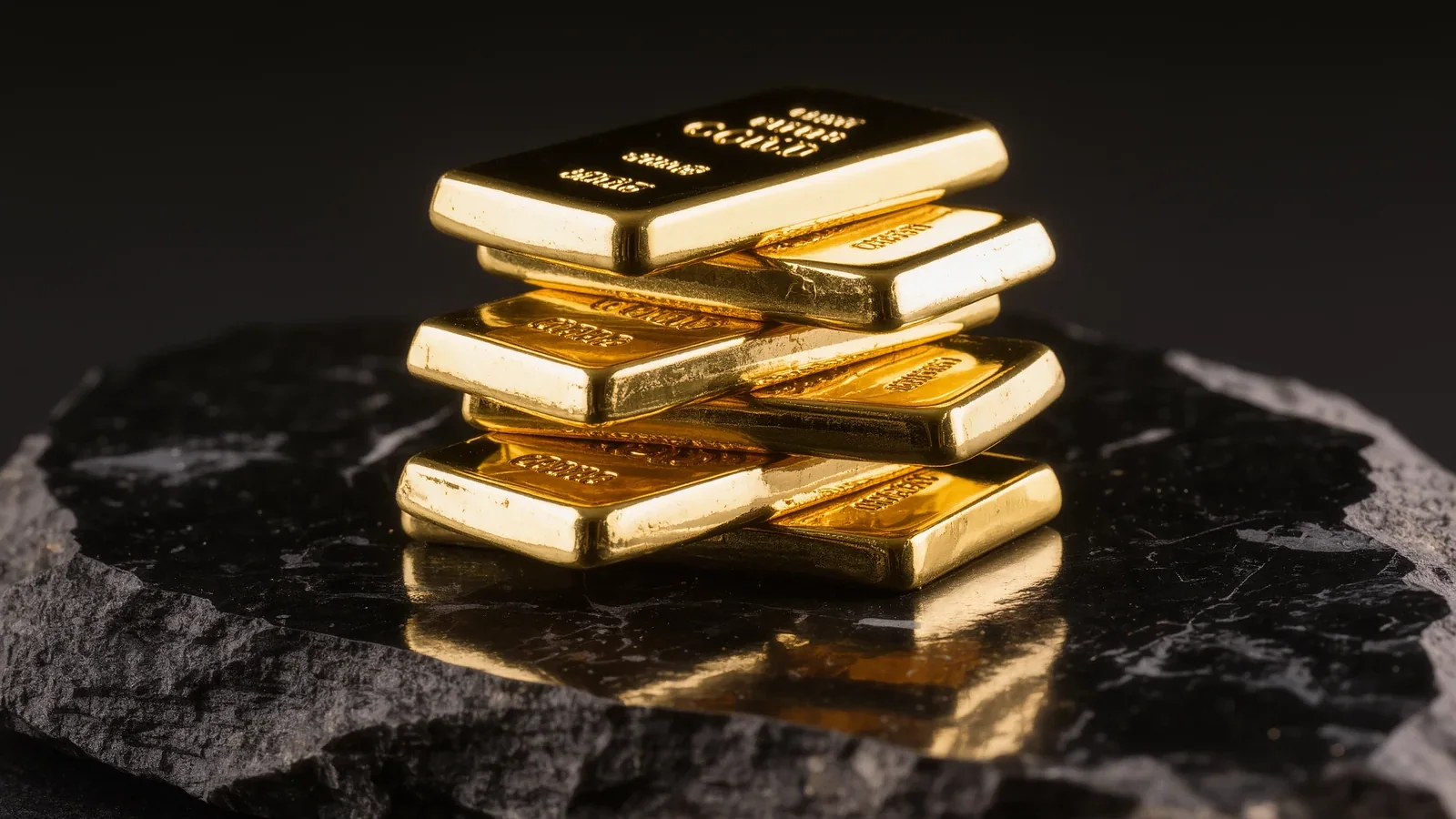
The silver scrap market is a dynamic sector that plays a crucial role in the overall economy of precious metals. Silver scrap refers to any leftover or unused silver material, which can come from various sources, including jewelry, electronics, and industrial applications. As a valuable commodity, silver scrap is recycled and repurposed, contributing to sustainability while providing a source of income for sellers.
Understanding this market is essential for anyone looking to sell silver scrap or invest in silver. The silver scrap market operates on principles similar to those of other commodities, with fluctuations in price driven by various factors. Sellers can benefit significantly from understanding market trends, as they can time their sales to maximize profits.
Additionally, the recycling of silver scrap helps reduce the environmental impact associated with mining new silver, making it an attractive option for eco-conscious individuals and businesses alike.
Factors Affecting the Price of Silver Scrap
Several factors influence the price of silver scrap, making it essential for sellers to stay informed. One of the primary factors is the current market price of silver, which can fluctuate based on global economic conditions, investor demand, and geopolitical events.
When the price of silver rises, so does the value of silver scrap, making it a lucrative time for sellers.
Another significant factor is the purity of the silver being sold. Silver scrap can vary in purity levels, typically measured in parts per thousand. Higher purity levels command better prices in the market.
Additionally, the form of the silver scrap—whether it’s jewelry, coins, or industrial waste—can also affect its value. Sellers should be aware of these factors to ensure they receive a fair price for their silver scrap.
How Silver Scrap Prices are Determined
Silver scrap prices are determined through a combination of market demand, supply levels, and the intrinsic value of the material itself.
The base price is often linked to the spot price of silver, which is the current market price for immediate delivery.
This spot price fluctuates throughout the day based on trading activity on commodities exchanges.
In addition to the spot price, refiners and buyers will often apply a discount or premium based on the quality and quantity of the silver scrap being sold. For instance, if a seller has a large quantity of high-purity silver scrap, they may receive a better price than someone selling a small amount of lower-quality material. Understanding these pricing mechanisms can help sellers negotiate better deals when selling their silver scrap.
The Role of Supply and Demand in Silver Scrap Pricing
Supply and demand play a pivotal role in determining silver scrap prices. When demand for silver increases—whether for industrial use or investment purposes—the price of both raw silver and scrap silver tends to rise. Conversely, if there is an oversupply of silver in the market or reduced demand from industries that utilize silver, prices may drop.
Seasonal trends can also impact supply and demand dynamics. For example, during certain times of the year, such as holidays or wedding seasons, there may be an uptick in demand for silver jewelry, which can drive up prices for scrap jewelry. Sellers should keep an eye on these trends to optimize their selling strategies.
The Impact of Economic Conditions on Silver Scrap Prices
Economic conditions significantly influence silver scrap prices. In times of economic uncertainty or inflation, investors often turn to precious metals like silver as a safe haven. This increased demand can lead to higher prices for both raw silver and scrap silver.
Conversely, during periods of economic stability and growth, demand may wane, leading to lower prices. Additionally, currency fluctuations can impact the price of silver on a global scale. A weaker dollar often results in higher prices for commodities priced in dollars, including silver.
Sellers should consider these economic indicators when deciding when to sell their silver scrap to maximize their returns.
Where to Find Current Silver Scrap Prices
Finding current silver scrap prices is essential for anyone looking to sell their silver. Numerous online platforms provide real-time updates on silver prices, including financial news websites and dedicated precious metals trading platforms. These resources often include charts and historical data that can help sellers understand market trends.
Local jewelers and metal dealers can also provide insights into current scrap prices. Many dealers will offer quotes based on the current market conditions and the specific characteristics of the silver being sold. It’s advisable for sellers to compare prices from multiple sources to ensure they receive a competitive offer.
Tips for Getting the Best Price for Your Silver Scrap
To maximize profits when selling silver scrap, sellers should consider several strategies. First, it’s essential to know the purity level of your silver. Having this information readily available can help you negotiate better prices with buyers who may otherwise undervalue your material.
Second, timing your sale can make a significant difference in the price you receive. Monitoring market trends and selling when prices are high can lead to better returns. Additionally, consider selling larger quantities at once rather than piecemeal; many buyers offer better rates for bulk sales.
Lastly, building relationships with local dealers can be beneficial. Establishing trust with buyers may lead to better offers over time as they become familiar with your quality and reliability as a seller.
The Difference Between Scrap Silver and Bullion
Understanding the difference between scrap silver and bullion is crucial for sellers and investors alike. Scrap silver refers to any leftover or unused silver material that can be recycled or repurposed. This includes items like old jewelry, coins that are no longer in circulation, or industrial waste.
On the other hand, bullion refers specifically to precious metals that are bought and sold based on their weight and purity rather than their artistic or collectible value. Bullion typically comes in bars or coins that are minted by government authorities or reputable private mints. While both have value in the market, bullion often commands higher prices due to its recognized purity and standardization.
The Environmental Impact of Silver Scrap Recycling
Recycling silver scrap has significant environmental benefits compared to mining new silver. Mining operations can be destructive to ecosystems and require substantial energy and water resources. In contrast, recycling existing materials reduces waste and conserves natural resources.
By choosing to recycle silver scrap, individuals contribute to a more sustainable economy while also reducing their carbon footprint. The process of recycling not only minimizes environmental damage but also helps meet the growing demand for silver in various industries without further depleting natural reserves.
The Future Outlook for Silver Scrap Prices
The future outlook for silver scrap prices remains optimistic due to several factors. As industries increasingly adopt sustainable practices and seek recycled materials, demand for silver scrap is likely to grow. Additionally, technological advancements in recycling processes may enhance efficiency and increase recovery rates.
Market analysts predict that as global economies recover from recent downturns and inflation concerns persist, precious metals like silver will continue to attract investment interest. This trend could lead to higher prices for both raw silver and scrap materials in the coming years.
What to Consider Before Selling Your Silver Scrap
Before selling your silver scrap, there are several important considerations to keep in mind. First, assess the purity and quantity of your material; knowing these details will help you gauge its value accurately. Second, research current market prices to ensure you’re getting a fair deal.
Additionally, consider your selling options—whether you prefer local dealers or online platforms—and weigh the pros and cons of each method. Finally, be prepared to negotiate; understanding the factors that influence pricing will empower you during discussions with potential buyers. In conclusion, navigating the silver scrap market requires knowledge and strategy.
By understanding pricing factors, market dynamics, and environmental impacts, sellers can make informed decisions that maximize their returns while contributing positively to sustainability efforts. Whether you’re looking to sell now or hold onto your materials for future gains, staying informed is key to success in this ever-evolving market.
Questions
Straight answers on the current silver scrap price
What is silver scrap?
Silver scrap refers to any silver-containing materials that are no longer in use and can be recycled. This includes items like old jewelry, silverware, electronic components, and industrial silver waste.
How is the silver scrap price determined?
The silver scrap price is primarily influenced by the current market price of silver, which fluctuates based on supply and demand, economic conditions, and global market trends. The purity and weight of the silver scrap also affect its value.
Where can I sell silver scrap?
Silver scrap can be sold to precious metal dealers, recycling centers, pawn shops, or specialized silver scrap buyers. Some online platforms also facilitate the sale of silver scrap.
How is the purity of silver scrap assessed?
Purity is typically measured in terms of fineness or karats. Dealers may use acid tests, electronic testers, or X-ray fluorescence (XRF) analyzers to determine the silver content in scrap materials.
Does the condition of silver scrap affect its price?
Yes, the condition can impact the price. Clean, uncontaminated silver scrap with higher purity generally fetches better prices compared to mixed or heavily tarnished scrap.
Are there any fees or deductions when selling silver scrap?
Many buyers deduct refining or processing fees from the payout. It’s important to clarify any charges before selling to understand the net amount you will receive.
How often do silver scrap prices change?
Silver scrap prices can change daily or even multiple times a day, as they are closely tied to the fluctuating spot price of silver on global commodity markets.
Can I sell silver scrap in small quantities?
Yes, most buyers accept silver scrap in various quantities, but larger amounts may receive better pricing or lower fees.
Is it better to sell silver scrap or keep it as an investment?
This depends on individual financial goals. Selling silver scrap provides immediate cash, while holding silver can be a long-term investment subject to market price changes.
How can I find the current silver scrap price?
Current silver scrap prices can be found on financial news websites, precious metal market reports, or by contacting local dealers who provide up-to-date pricing based on the spot silver price.