Journal
The Strategic Importance of Silver: A Silent Metal
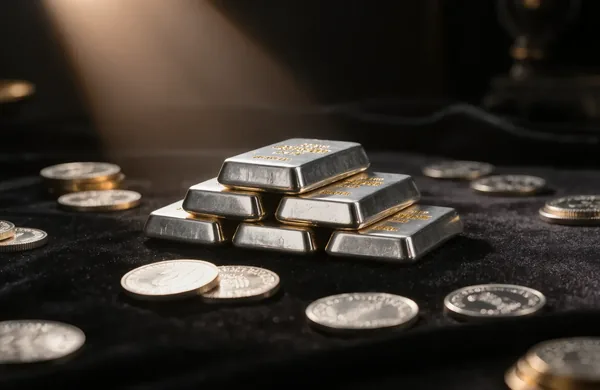
Silver is a precious metal with significant strategic importance due to its unique physical properties and diverse industrial applications. The metal possesses the highest electrical and thermal conductivity of all elements, along with natural antimicrobial properties that make it valuable across multiple sectors. These characteristics distinguish silver from other precious metals like gold, which primarily serves as a store of value.
Historically, silver has functioned as a monetary standard and medium of exchange for over 4,000 years. Ancient civilizations including the Greeks, Romans, and Chinese used silver coins for trade, establishing its role in global commerce. The metal's monetary function continued through the 19th and early 20th centuries, when many countries operated under silver or bimetallic currency systems.
In modern industrial applications, silver's exceptional conductivity makes it essential for electronics manufacturing, including smartphones, computers, and solar panels. The automotive industry utilizes silver in electrical contacts and circuits, while the medical sector employs its antimicrobial properties in wound dressings, medical devices, and hospital equipment. Photography, though diminished by digital technology, still uses silver in specialized applications.
Silver also serves as an investment vehicle and potential hedge against inflation and currency devaluation. Unlike fiat currencies, silver maintains intrinsic value based on its physical properties and industrial demand. Market dynamics for silver involve both investment demand and industrial consumption, creating a dual-purpose commodity that responds to both economic conditions and technological developments.
Current global silver production comes primarily from Mexico, Peru, and China, with significant portions extracted as byproducts of copper, lead, and zinc mining. Industrial demand continues to grow, particularly in renewable energy technologies and electronics, while supply constraints may influence future pricing and availability.
Historical Significance of Silver in Trade and Currency
Historically, silver has played a pivotal role in trade and currency systems across civilizations. Ancient cultures, from the Egyptians to the Chinese, recognized silver's value and used it as a medium of exchange. The first known coins were made of silver, establishing it as a standard for trade.
This practice laid the groundwork for modern monetary systems, where silver was often used alongside gold to back currencies. The intrinsic value of silver made it a reliable form of wealth that transcended borders and cultures. As trade routes expanded, so did the demand for silver.
The Spanish Empire's discovery of vast silver mines in the Americas during the 16th century significantly impacted global trade dynamics. Silver became the backbone of international commerce, facilitating trade between Europe, Asia, and the Americas. This historical context underscores silver's enduring significance as a strategic metal that has shaped economies and influenced societal structures throughout history.
Industrial Uses of Silver in Modern Society
In contemporary society, silver's industrial applications are vast and varied. Its exceptional electrical conductivity makes it indispensable in electronics, where it is used in components such as circuit boards, connectors, and batteries. The automotive industry also relies on silver for its conductive properties in electric vehicles and advanced driver-assistance systems.
As technology continues to evolve, the demand for silver in these sectors is expected to grow. Moreover, silver's antibacterial properties have led to its incorporation in medical devices and healthcare products. From wound dressings to surgical instruments, silver is utilized for its ability to inhibit bacterial growth, enhancing patient safety and outcomes.
This dual role as both an industrial and medical asset highlights silver's versatility and importance in modern society.
Silver's Role in Technology and Innovation
Silver is at the forefront of technological innovation, particularly in renewable energy and electronics. In solar energy systems, silver is used in photovoltaic cells to enhance efficiency and energy conversion rates. As the world shifts towards sustainable energy solutions, the demand for silver in solar technology is projected to rise significantly.
Additionally, silver nanoparticles are gaining traction in various applications due to their unique properties. These nanoparticles are utilized in antimicrobial coatings, water purification systems, and even in consumer products like clothing and cosmetics. The ongoing research into new applications for silver demonstrates its potential to drive innovation across multiple sectors.
The Geopolitical Importance of Silver Reserves
The geopolitical landscape is intricately linked to the availability and control of natural resources, including silver. Countries with significant silver reserves can leverage this asset to enhance their economic standing on the global stage. For instance, nations like Mexico and Peru are among the top producers of silver, influencing international trade dynamics and economic policies.
Furthermore, the strategic importance of silver extends to national security considerations. Governments may stockpile silver as part of their resource management strategies to ensure economic stability during times of crisis or conflict. This geopolitical dimension adds another layer of complexity to the understanding of silver as a strategic metal.
Silver as a Hedge Against Inflation and Economic Uncertainty
In times of economic uncertainty, investors often turn to tangible assets like silver as a hedge against inflation. Unlike fiat currencies that can be devalued by government policies or economic downturns, silver retains intrinsic value due to its limited supply and high demand across various industries. This characteristic makes it an attractive option for those looking to preserve wealth during turbulent times.
Historically, silver has demonstrated resilience during economic crises. For instance, during the 2008 financial crisis, many investors flocked to precious metals as a safe haven. As inflation concerns rise globally due to expansive monetary policies and supply chain disruptions, silver's role as a protective asset is likely to gain renewed attention from investors seeking stability.
Environmental Impacts of Silver Mining and Recycling
While silver mining has significant economic benefits, it also poses environmental challenges that cannot be overlooked. The extraction process can lead to habitat destruction, water pollution, and increased carbon emissions. As awareness of environmental issues grows, there is increasing pressure on mining companies to adopt sustainable practices that minimize ecological impact.
Recycling offers a viable solution to mitigate some of these environmental concerns associated with silver mining. By reclaiming silver from electronic waste and other sources, we can reduce the need for new mining operations while conserving natural resources.
The recycling industry is becoming increasingly important as it not only addresses environmental issues but also supports the circular economy by reintroducing valuable materials back into production cycles.
Silver's Role in the Renewable Energy Sector
The renewable energy sector is rapidly expanding, with silver playing a crucial role in this transformation. Solar panels rely heavily on silver for their conductive properties, making it an essential component in photovoltaic technology. As governments worldwide push for cleaner energy solutions, the demand for solar energy—and consequently for silver—is expected to surge.
Moreover, silver's potential extends beyond solar energy. In battery technology, particularly with the rise of electric vehicles (EVs), silver is being explored for use in advanced battery systems due to its superior conductivity compared to other metals. This trend indicates that silver will continue to be integral to the renewable energy landscape as innovation drives further advancements.
Silver's Potential in Medical and Healthcare Applications
Silver's unique properties have made it invaluable in medical applications for centuries. Its antibacterial qualities are harnessed in various healthcare products, including wound dressings and surgical instruments. Recent studies have shown that silver nanoparticles can effectively combat antibiotic-resistant bacteria, making them a promising solution in modern medicine.
Additionally, research into new medical applications for silver continues to expand.
From drug delivery systems to diagnostic tools, the potential uses of silver in healthcare are vast.
As the medical field seeks innovative solutions to combat emerging health challenges, silver's role is likely to grow even more significant.
The Future Outlook for Silver as a Strategic Asset
Looking ahead, the future outlook for silver as a strategic asset appears promising. With increasing industrial demand driven by technological advancements and renewable energy initiatives, coupled with its historical role as a hedge against economic uncertainty, silver is poised for continued relevance in global markets. Investors are beginning to recognize the multifaceted nature of silver beyond its traditional uses.
As awareness grows regarding its applications in technology and healthcare, interest in investing in silver may increase significantly. This trend could lead to greater market stability and potentially higher valuations for this precious metal.
The Ongoing Relevance of Silver in a Changing World
In conclusion, silver remains a strategic metal with enduring significance across various domains—from historical trade practices to modern technological innovations. Its unique properties make it indispensable in industries such as electronics, healthcare, and renewable energy while also serving as a hedge against economic uncertainty. As we navigate an increasingly complex world marked by rapid change and innovation, understanding the multifaceted role of silver is essential.
Its historical legacy combined with its potential for future applications ensures that silver will continue to be relevant as both an asset and a resource in our evolving society. Whether viewed through an economic lens or an environmental perspective, the ongoing relevance of silver underscores its importance as we move forward into an uncertain future.
Questions
Straight answers on the strategic importance of silver
What makes silver a strategic metal?
Silver is considered a strategic metal due to its unique combination of industrial applications, electrical conductivity, and limited supply. It plays a critical role in electronics, solar panels, medical devices, and various high-tech industries, making it essential for modern technology and economic security.
How is silver used in industry?
Silver is widely used in electronics for its excellent electrical and thermal conductivity. It is also used in solar energy panels, batteries, medical instruments, water purification, and as a catalyst in chemical reactions. Its antimicrobial properties make it valuable in healthcare products.
Why is silver often overlooked compared to other strategic metals?
Silver is often overshadowed by metals like gold, platinum, and rare earth elements because it is more abundant and historically viewed primarily as a precious metal for jewelry and currency. However, its critical industrial uses and supply risks have increased its strategic importance.
What factors affect the supply of silver?
Silver supply is influenced by mining production, recycling rates, and geopolitical factors. Since silver is often a byproduct of mining for other metals like copper and lead, its supply can be less responsive to demand changes. Environmental regulations and mining restrictions also impact availability.
How does silver's role in renewable energy contribute to its strategic importance?
Silver is a key component in photovoltaic cells used in solar panels, which are vital for renewable energy production. As the demand for clean energy grows, silver's role in this sector enhances its strategic value due to the metal's efficiency in converting sunlight to electricity.
Can silver be substituted in its industrial applications?
While some applications can use alternative materials, silver's unique properties such as highest electrical conductivity and antimicrobial effects make it difficult to fully substitute. Substitutes often come with trade-offs in performance, cost, or durability.
What are the economic implications of silver's strategic status?
Silver's strategic status means that fluctuations in its supply or demand can impact various industries and national economies. Countries with significant silver resources may have geopolitical leverage, and disruptions in supply chains can affect technology manufacturing and renewable energy deployment.
How is silver recycled and why is recycling important?
Silver is recycled from electronic waste, photographic materials, jewelry, and industrial scrap. Recycling helps reduce dependence on mining, conserves natural resources, and stabilizes supply. It is an important aspect of managing silver's availability given its strategic uses.
What are the environmental concerns related to silver mining?
Silver mining can lead to habitat destruction, water pollution, and the release of toxic substances like cyanide and heavy metals. Sustainable mining practices and regulations are essential to minimize environmental impact and ensure responsible sourcing of silver.
How does silver compare to gold in terms of investment and industrial use?
While both silver and gold are precious metals, silver has a larger industrial demand due to its physical properties. Gold is primarily used for investment, jewelry, and reserves, whereas silver balances investment appeal with significant industrial applications, making its market dynamics distinct.