Journal
Gold vs Silver: Which is the Better Investment?
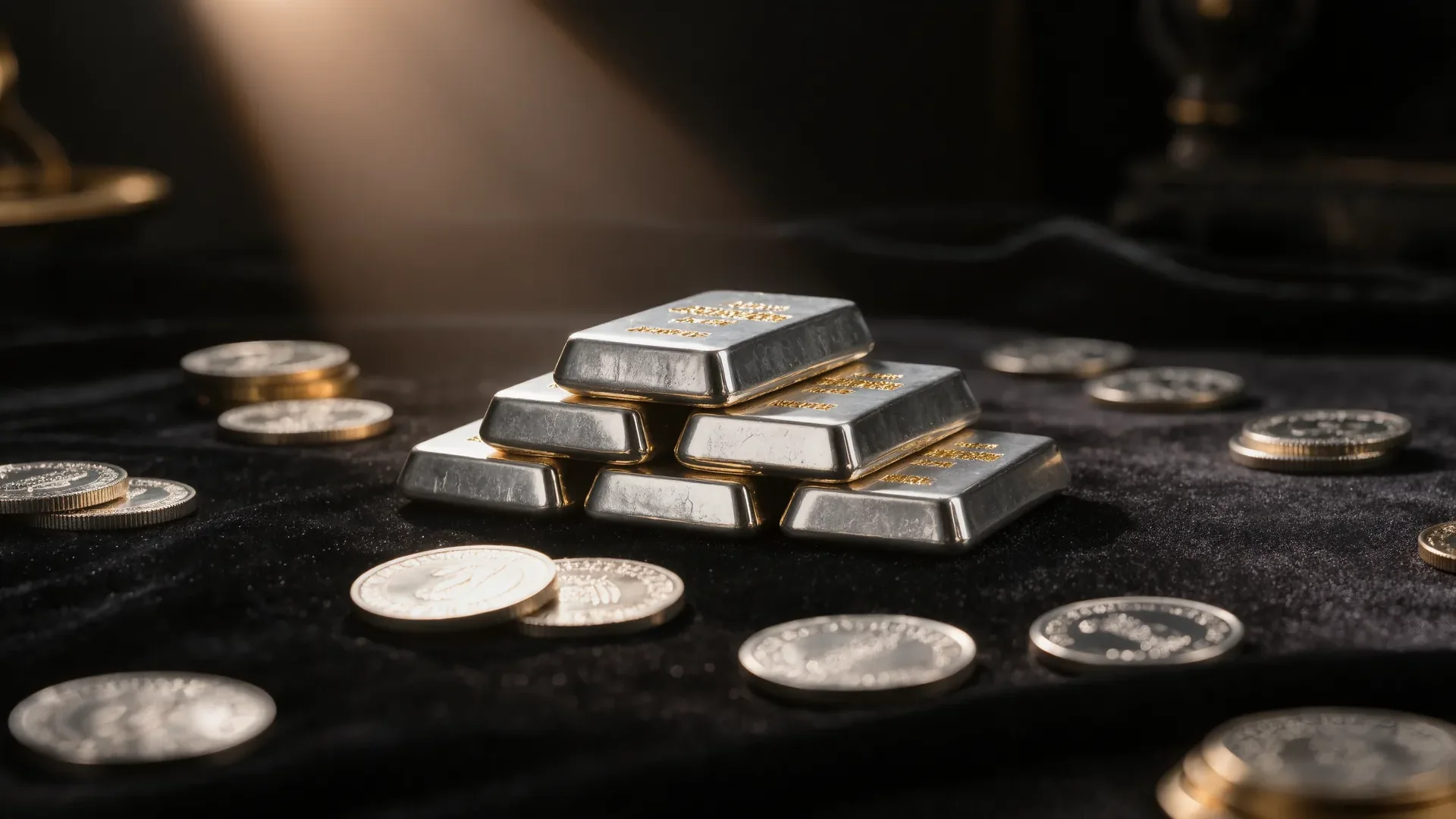
Gold and silver investments serve as wealth preservation tools and hedges against economic volatility. These precious metals possess intrinsic value derived from their physical properties and industrial applications, contributing to their role as stores of value. During periods of market instability, gold and silver typically maintain purchasing power while other assets may decline in value.
Precious metals function as portfolio diversification instruments due to their low correlation with traditional financial assets such as stocks and bonds. Historical data indicates that gold and silver have provided protection against currency devaluation and inflation over extended periods. Central banks worldwide maintain gold reserves, representing approximately 17% of all above-ground gold, which supports underlying demand and price stability.
Investment demand for precious metals stems from multiple factors: their finite supply, industrial consumption requirements, and monetary policy responses to economic conditions. Gold serves industrial purposes in electronics and medical devices, while silver has extensive applications in technology, solar panels, and manufacturing. These industrial uses create baseline demand independent of investment sentiment, contributing to price support mechanisms in precious metals markets.
Historical Performance of Gold and Silver
Gold and silver have demonstrated remarkable resilience throughout history, often serving as a refuge during times of economic turmoil. For centuries, these metals have been used as currency, with gold being particularly revered for its rarity and beauty. Historical data shows that gold has consistently appreciated in value, especially during periods of high inflation or geopolitical instability.
For instance, during the 1970s oil crisis, gold prices surged as investors sought safety. Silver, while often overshadowed by gold, has also shown impressive performance over the years. Its price movements are influenced by both investment demand and industrial applications.
Historically, silver has experienced significant price spikes, particularly during economic booms or technological advancements that increase its industrial use. Understanding these historical trends can provide valuable insights into the potential future performance of both metals.
Industrial Uses and Demand for Gold and Silver
Gold and silver are not just investment vehicles; they also play crucial roles in various industries. Gold is widely used in electronics, dentistry, and aerospace due to its excellent conductivity and resistance to corrosion. The demand for gold in technology continues to grow, driven by innovations in consumer electronics and renewable energy solutions.
Silver, on the other hand, has a diverse range of industrial applications. It is a key component in solar panels, batteries, and medical devices. The increasing focus on renewable energy sources has led to a surge in silver demand, particularly in the solar industry.
As industries evolve and expand, the demand for both gold and silver is likely to remain strong, further supporting their value as investments.
Market Volatility and Risk Factors
While gold and silver are often viewed as safe-haven assets, they are not immune to market volatility. Prices can fluctuate significantly due to various factors, including changes in interest rates, currency strength, and geopolitical events. Investors must be aware of these risks when considering gold and silver investments.
Additionally, market sentiment can heavily influence the prices of these metals. Speculation, investor behavior, and economic indicators can lead to rapid price changes. Understanding these dynamics is essential for managing risk effectively.
Investors should consider their risk tolerance and investment horizon when deciding how much exposure to gold and silver they want in their portfolios.
Potential for Price Appreciation
One of the most appealing aspects of investing in gold and silver is their potential for price appreciation. Historically, both metals have shown significant long-term growth trends. Factors such as inflation, currency devaluation, and increased demand can drive prices higher over time.
For instance, during periods of economic uncertainty or inflationary pressures, investors often flock to gold as a safe haven, driving up its price. Similarly, silver's industrial demand can lead to price surges when supply constraints arise or when technological advancements increase its usage. By investing in gold and silver now, investors position themselves to benefit from potential future price increases.
Liquidity and Accessibility of Gold and Silver
Gold and silver investments are known for their liquidity, meaning they can be easily bought or sold in various markets worldwide. This accessibility makes them attractive options for investors looking to enter or exit positions quickly. Whether through physical bullion, coins, or exchange-traded funds (ETFs), there are numerous ways to invest in these precious metals.
Moreover, the global market for gold and silver is well-established, with numerous platforms available for trading. Investors can access these markets through reputable dealers or online trading platforms that offer competitive pricing and transparent transactions. This ease of access enhances the appeal of gold and silver as investment options.
Storage and Maintenance Costs
While investing in gold and silver offers numerous benefits, it is essential to consider storage and maintenance costs associated with these assets. Physical bullion requires secure storage solutions to protect against theft or damage. Investors may choose to store their metals in safe deposit boxes or specialized vaults, which can incur additional fees.
Additionally, there may be costs related to insurance coverage for physical assets. Investors should factor these expenses into their overall investment strategy to ensure they are adequately protected while maximizing returns. Understanding the total cost of ownership is crucial for making informed decisions about investing in gold and silver.
Environmental and Ethical Considerations
As with any investment, environmental and ethical considerations play a significant role in the decision-making process for many investors. The mining of gold and silver can have substantial environmental impacts, including habitat destruction and pollution. Responsible mining practices are essential to mitigate these effects.
Investors increasingly seek ethically sourced metals that adhere to sustainable practices.
Many companies now prioritize environmental stewardship and social responsibility in their operations. By choosing investments that align with ethical standards, investors can contribute positively to the environment while still benefiting from the financial advantages of gold and silver.
Diversification Benefits of Gold and Silver
Incorporating gold and silver into an investment portfolio can provide significant diversification benefits. These metals often exhibit low correlation with traditional asset classes such as stocks and bonds. During market downturns, gold and silver may retain or even increase in value while other investments decline.
Diversification helps reduce overall portfolio risk by spreading investments across different asset classes. By adding gold and silver to your portfolio, you can enhance its resilience against market fluctuations while potentially improving overall returns. This strategy is particularly appealing for investors looking to safeguard their wealth during uncertain economic times.
Tax Implications of Gold and Silver Investments
Investing in gold and silver also comes with specific tax implications that investors should be aware of before making decisions. In many jurisdictions, profits from the sale of precious metals may be subject to capital gains tax. The tax rate can vary depending on how long the investor holds the asset before selling it.
Additionally, certain forms of gold and silver investments may have different tax treatments. For example, collectibles like coins may be taxed at a higher rate than bullion investments. Understanding these tax implications is crucial for effective financial planning and maximizing returns on your investments.
Making the Decision between Gold and Silver
In conclusion, both gold and silver offer unique advantages as investment options. Their historical performance, industrial demand, liquidity, and diversification benefits make them appealing choices for investors seeking stability in uncertain markets. However, it is essential to consider factors such as market volatility, storage costs, ethical considerations, and tax implications when making investment decisions.
Ultimately, the choice between gold and silver will depend on individual financial goals, risk tolerance, and market outlook.
By carefully evaluating these factors and staying informed about market trends, investors can make educated decisions that align with their long-term financial strategies. Whether you choose gold or silver—or both—these precious metals can play a vital role in building a resilient investment portfolio that withstands the test of time.
Questions
Straight answers on gold vs silver
What are the main differences between investing in gold and silver?
Gold is generally more expensive per ounce than silver and is often seen as a more stable store of value. Silver tends to be more volatile and is used more extensively in industrial applications, which can affect its price differently than gold.
Which metal is considered a better hedge against inflation, gold or silver?
Gold is traditionally viewed as a better hedge against inflation due to its historical stability and widespread acceptance as a store of value. However, silver can also serve as an inflation hedge but may experience more price fluctuations.
How do liquidity levels compare between gold and silver investments?
Gold typically has higher liquidity than silver, meaning it is easier to buy and sell quickly without significantly affecting the price. This is due to gold's higher demand and more established markets.
What forms of gold and silver investments are available?
Investors can purchase physical metals such as coins and bars, or invest through financial instruments like exchange-traded funds (ETFs), mining stocks, futures contracts, and mutual funds focused on precious metals.
Is silver more affected by industrial demand than gold?
Yes, silver has significant industrial uses in electronics, solar panels, and medical devices, which can influence its price based on industrial demand. Gold's industrial use is much smaller, so its price is less affected by industrial factors.
What are the risks associated with investing in gold and silver?
Both metals can be subject to price volatility, market speculation, and changes in economic conditions. Silver's price tends to be more volatile due to its smaller market size and industrial demand. Physical storage and security are also considerations for both metals.
Can investing in both gold and silver provide diversification benefits?
Yes, holding both metals can diversify a precious metals portfolio since they often respond differently to economic events and market conditions, potentially reducing overall investment risk.
How do taxes typically apply to gold and silver investments?
Tax treatment varies by country but often includes capital gains tax on profits from selling precious metals. Some jurisdictions may have specific rules for collectibles or investment metals, so investors should consult local tax regulations.
What factors influence the prices of gold and silver?
Prices are influenced by supply and demand, geopolitical events, currency fluctuations (especially the US dollar), interest rates, inflation expectations, and market sentiment.
Is it better to invest in physical gold and silver or financial products like ETFs?
Physical metals provide direct ownership but require secure storage and insurance. ETFs and other financial products offer easier liquidity and lower storage costs but come with counterparty risk. The choice depends on individual investment goals and preferences.