Journal
Maximize Your Portfolio: Invest in Precious Metals

Precious metals serve as traditional investment vehicles for portfolio diversification and wealth preservation. Gold, silver, platinum, and palladium possess inherent value due to their scarcity, industrial applications, and historical monetary roles. These assets typically demonstrate low correlation with conventional securities, potentially reducing overall portfolio volatility during market downturns.
Precious metals function as inflation hedges because their prices often rise when currency purchasing power declines. Central bank monetary policies, geopolitical tensions, and supply-demand imbalances influence precious metal valuations. Industrial demand, particularly for platinum and palladium in automotive catalytic converters, creates additional price support beyond investment demand.
Physical precious metals offer direct ownership advantages compared to paper assets. Investors can store metals in personal safes, bank safety deposit boxes, or specialized depositories. This tangible characteristic eliminates counterparty risk associated with financial institutions or government entities.
However, physical ownership requires consideration of storage costs, insurance, and liquidity constraints when converting to cash. Market data indicates precious metals perform differently across economic cycles. Gold typically strengthens during currency debasement and financial crises, while silver exhibits higher volatility due to its dual role as both precious and industrial metal.
Platinum and palladium prices correlate more closely with automotive and industrial production cycles than monetary factors.
Understanding the Different Types of Precious Metals
When it comes to precious metals, gold is often the first that comes to mind. Known as a symbol of wealth and prosperity, gold has been used as currency and a store of value for centuries. Its unique properties make it resistant to corrosion and tarnish, ensuring its longevity.
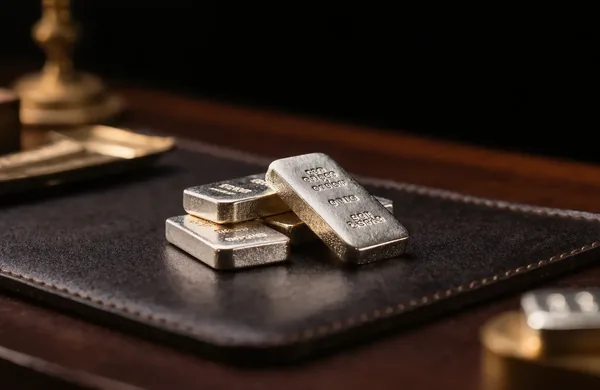
Gold is typically available in various forms, including coins, bars, and jewelry, making it accessible to a wide range of investors. Silver is another popular choice among investors. Often referred to as the "poor man's gold," silver is more affordable than gold while still offering significant investment potential.
Its industrial applications, particularly in electronics and solar energy, contribute to its demand. Additionally, silver coins and bullion are widely available, making it easy for investors to enter the market. Other precious metals like platinum and palladium are also gaining traction due to their rarity and industrial uses, particularly in automotive manufacturing.
Benefits of Investing in Precious Metals
Investing in precious metals offers several advantages that can enhance your financial portfolio. One of the primary benefits is their ability to act as a hedge against inflation. As the cost of living rises, the value of fiat currencies may decline; however, precious metals tend to retain their value over time.
This characteristic makes them an attractive option for those looking to protect their wealth. Another significant benefit is the diversification that precious metals provide. By incorporating these assets into your investment strategy, you can reduce overall portfolio risk.
Precious metals often have a low correlation with traditional assets like stocks and bonds, meaning they can perform well even when other investments falter. This diversification can lead to more stable returns over time.
Factors to Consider Before Investing in Precious Metals
Before diving into the world of precious metals, it's essential to consider several factors that can influence your investment decisions. First and foremost is market volatility. Precious metal prices can fluctuate significantly based on economic conditions, geopolitical events, and changes in supply and demand.
Understanding these dynamics will help you make informed decisions about when to buy or sell. Another critical factor is the form in which you choose to invest. Whether you opt for physical bullion, coins, or exchange-traded funds (ETFs), each option has its pros and cons.
Physical metals require secure storage and insurance, while ETFs offer liquidity but lack the tangible aspect of owning physical assets. Assessing your risk tolerance and investment goals will guide you in selecting the right approach.
How to Buy and Store Precious Metals
Purchasing precious metals can be done through various channels, including online dealers, local coin shops, and auctions. When buying online, it's crucial to choose reputable dealers with positive reviews and transparent pricing structures. Always verify the authenticity of the products you purchase by checking for certifications from recognized organizations.
Once you've acquired your precious metals, proper storage is paramount. For physical assets like gold and silver bars or coins, consider using a safe deposit box at a bank or investing in a home safe designed for security. Additionally, some investors opt for third-party storage facilities that specialize in precious metals.
These facilities offer enhanced security measures and insurance coverage for your investments.
Diversifying Your Portfolio with Precious Metals
Diversification is a fundamental principle of investing that helps mitigate risk while maximizing potential returns. Incorporating precious metals into your portfolio can enhance this strategy by providing an asset class that behaves differently from traditional investments. As economic conditions change, precious metals often respond in ways that can offset losses in other areas of your portfolio.
For instance, during periods of economic downturn or market instability, precious metals tend to retain their value or even appreciate as investors flock to safe-haven assets. By allocating a portion of your portfolio to precious metals, you create a buffer against market volatility while positioning yourself for potential gains during uncertain times.
Risks and Challenges of Investing in Precious Metals
While investing in precious metals offers numerous benefits, it is not without its risks and challenges. One significant risk is price volatility; precious metal prices can experience sharp fluctuations based on market sentiment and external factors such as geopolitical tensions or changes in interest rates. Investors must be prepared for these swings and have a long-term perspective when investing in this asset class.
Additionally, the costs associated with buying and storing precious metals can add up over time. Premiums on physical bullion can vary significantly based on market conditions, and storage fees may apply if you choose third-party facilities. It's essential to factor these costs into your overall investment strategy to ensure that your potential returns justify the expenses involved.
Historical Performance of Precious Metals
The historical performance of precious metals provides valuable insights into their long-term viability as an investment option.
Gold has consistently demonstrated its ability to retain value over centuries, often serving as a reliable store of wealth during economic crises.
For example, during the 2008 financial crisis, gold prices surged as investors sought refuge from declining stock markets.
Silver has also shown resilience over time, with its price often reflecting both its investment appeal and industrial demand. The historical trends indicate that while there may be short-term fluctuations, precious metals have maintained their status as valuable assets throughout history. Understanding these patterns can help investors make informed decisions about when to enter or exit the market.
Current Market Trends in Precious Metals
As we navigate through 2023, several trends are shaping the current landscape of precious metals investing. One notable trend is the increasing demand for sustainable and ethically sourced metals. Investors are becoming more conscious of the environmental impact of mining practices and are seeking out options that align with their values.
Additionally, central banks around the world are accumulating gold reserves as a hedge against economic uncertainty and inflationary pressures. This trend signals a growing recognition of gold's role as a safe-haven asset in turbulent times. Monitoring these trends can provide valuable insights into potential investment opportunities within the precious metals market.
Strategies for Maximizing Returns on Precious Metals Investments
To maximize returns on your precious metals investments, consider adopting a strategic approach that aligns with your financial goals. One effective strategy is dollar-cost averaging, which involves consistently investing a fixed amount over time regardless of market conditions. This approach helps mitigate the impact of price volatility by spreading out your purchases.
Another strategy is to stay informed about market trends and economic indicators that may influence precious metal prices. By keeping abreast of global events and shifts in investor sentiment, you can make timely decisions about when to buy or sell your assets. Additionally, consider diversifying within the precious metals sector by exploring opportunities in silver, platinum, or palladium alongside gold.
Making Informed Decisions for Your Portfolio
Investing in precious metals can be a rewarding endeavor when approached with knowledge and strategy. By understanding the different types of precious metals available, their benefits, risks, and current market trends, you can make informed decisions that align with your financial goals. Diversifying your portfolio with these tangible assets can provide stability during uncertain times while potentially enhancing your overall returns.
As you embark on your journey into the world of precious metals investing, remember to conduct thorough research and seek advice from financial professionals if needed. With careful planning and consideration, you can harness the power of precious metals to build a resilient investment portfolio that stands the test of time.
Questions
Straight answers on maximize your portfolio
What are precious metals?
Precious metals are rare, naturally occurring metallic elements that have high economic value. The most common precious metals include gold, silver, platinum, and palladium.
Why should I invest in precious metals?
Investing in precious metals can provide portfolio diversification, act as a hedge against inflation and currency fluctuations, and serve as a store of value during economic uncertainty.
What are the common ways to invest in precious metals?
You can invest in precious metals by purchasing physical metals (such as coins, bars, or bullion), investing in exchange-traded funds (ETFs), mining company stocks, mutual funds, or futures contracts.
Is investing in precious metals risky?
Like all investments, precious metals carry risks including price volatility, storage and insurance costs for physical metals, and market liquidity. However, they are often considered a safer asset during economic downturns.
How do I buy physical precious metals?
Physical precious metals can be purchased from reputable dealers, banks, or mints. It is important to verify authenticity and consider secure storage options.
Are precious metals a good long-term investment?
Precious metals have historically maintained value over the long term and can protect against inflation, but their prices can fluctuate. They are often used as part of a diversified investment strategy.
Can I invest in precious metals through retirement accounts?
Yes, certain retirement accounts like IRAs allow investment in precious metals, subject to IRS regulations regarding the types and purity of metals permitted.
What factors influence the price of precious metals?
Prices are influenced by supply and demand, geopolitical events, currency strength, inflation rates, and economic conditions.
Do precious metals pay dividends or interest?
No, physical precious metals do not generate dividends or interest. Returns come solely from price appreciation.
How liquid are precious metals investments?
Physical metals can be sold relatively easily but may require finding a buyer and verifying authenticity. ETFs and stocks are generally more liquid and can be traded on exchanges.