Journal
Maximizing Returns: Investing in Precious Metals

Precious metals investing involves purchasing physical commodities including gold, silver, platinum, and palladium as financial assets. These metals derive value from their limited supply and industrial applications, with gold and silver serving as traditional stores of value for over 5,000 years. Precious metals function as portfolio diversification tools due to their typically inverse correlation with stocks and bonds during market volatility.
During periods of high inflation or currency devaluation, precious metals often maintain purchasing power better than paper assets.
Gold, for example, has historically preserved wealth during economic crises, including the 1970s stagflation period and the 2008 financial crisis.
The finite nature of precious metals distinguishes them from fiat currencies, which central banks can create through monetary policy.
Global mining production constraints and increasing industrial demand, particularly for platinum and palladium in automotive catalytic converters, influence long-term supply dynamics. Silver serves dual purposes as both an investment vehicle and an industrial commodity used in electronics, solar panels, and medical applications. Investors can access precious metals through physical ownership, exchange-traded funds (ETFs), mining company stocks, or futures contracts.
Each method carries distinct risk profiles, storage requirements, and tax implications that require careful consideration before implementation in an investment strategy.
Choosing the Right Precious Metals for Your Portfolio
When it comes to selecting the right precious metals for your investment portfolio, it’s essential to consider your financial goals and risk tolerance. Gold is often the first choice for many investors due to its long-standing reputation as a safe haven asset. It tends to perform well during economic instability and inflationary periods.
Silver, on the other hand, is more volatile but offers significant upside potential, especially in industrial applications. Platinum and palladium are also worth considering, particularly for those interested in diversifying further. These metals are primarily used in automotive catalytic converters and have seen increased demand due to the rise of electric vehicles.
By understanding the unique characteristics and market dynamics of each metal, you can make informed decisions that align with your investment strategy.
Factors Affecting the Price of Precious Metals
The price of precious metals is influenced by a variety of factors, making it essential for investors to stay informed. One of the primary drivers is supply and demand dynamics. For instance, geopolitical tensions or economic crises can lead to increased demand for gold as a safe haven asset, driving prices higher.
Conversely, if mining production increases significantly, it may lead to a surplus that can depress prices. Another critical factor is currency strength, particularly the U.S. dollar.
Precious metals are typically priced in dollars; therefore, a stronger dollar can make these metals more expensive for foreign investors, potentially reducing demand. Additionally, interest rates play a significant role; lower interest rates tend to boost precious metal prices as they reduce the opportunity cost of holding non-yielding assets like gold and silver.
Diversifying Your Portfolio with Precious Metals
Diversification is a fundamental principle of investing, and incorporating precious metals into your portfolio can enhance its resilience. By adding these tangible assets, you can reduce overall risk and improve your chances of weathering market volatility. Precious metals often have a low correlation with traditional assets like stocks and bonds, meaning they can perform well when other investments falter.
Investing in a mix of precious metals can further enhance diversification. For example, while gold may provide stability, silver can offer growth potential due to its industrial uses. By balancing your investments across different types of precious metals, you can create a more robust portfolio that stands up to various economic conditions.
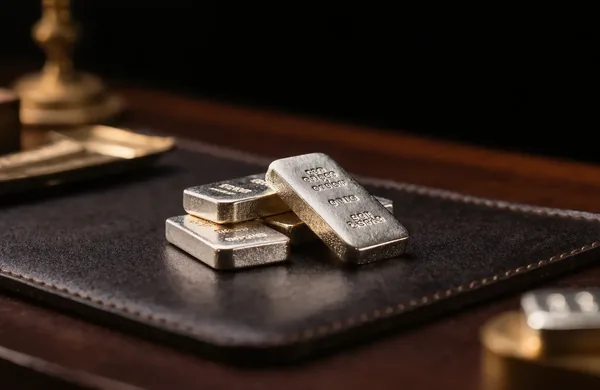
When considering precious metals investments, you have two primary options: physical metals or paper assets like ETFs and mining stocks. Physical precious metals involve buying coins or bars that you can hold in your possession. This option provides tangible ownership and can be a source of security during economic turmoil.
On the other hand, paper investments offer convenience and liquidity. ETFs allow you to invest in precious metals without the need for storage or insurance costs associated with physical ownership. However, they come with their own risks, such as counterparty risk and market fluctuations that may not reflect the actual value of the underlying metals.
Understanding the pros and cons of each option is crucial for making informed investment decisions.
The Role of Precious Metals in a Balanced Investment Strategy
Incorporating precious metals into your investment strategy can provide balance and stability. They serve as a hedge against inflation and currency devaluation while offering potential growth opportunities. A well-rounded investment strategy should include a mix of asset classes, including stocks, bonds, real estate, and precious metals.
Precious metals can act as a buffer during economic downturns or periods of high volatility. Their historical performance during crises demonstrates their ability to retain value when other assets may decline. By allocating a portion of your portfolio to precious metals, you can enhance its overall performance and reduce risk exposure.
Tax Considerations for Precious Metals Investments
Investing in precious metals comes with specific tax implications that investors should be aware of. In many jurisdictions, precious metals are considered collectibles, which means they may be subject to higher capital gains tax rates compared to other investments like stocks or bonds. Understanding these tax implications is crucial for effective financial planning.
Additionally, if you choose to invest in physical precious metals, you may need to consider storage costs and insurance premiums as part of your overall investment strategy. Keeping accurate records of your purchases and sales will help ensure compliance with tax regulations and maximize your returns.
Risks and Challenges of Precious Metals Investing
While investing in precious metals offers numerous benefits, it also comes with inherent risks and challenges. Price volatility is one of the most significant risks; precious metal prices can fluctuate dramatically based on market sentiment and external factors like geopolitical events or changes in monetary policy. Another challenge is the potential for scams or fraud in the precious metals market.
Investors must conduct thorough research and work with reputable dealers to avoid pitfalls. Additionally, storage and insurance costs for physical metals can eat into profits if not managed properly. Being aware of these risks will help you navigate the precious metals market more effectively.
Leveraging Precious Metals in a Volatile Market
In times of market volatility, precious metals can serve as a strategic asset class to leverage for protection and potential gains. Investors often flock to gold during uncertain times due to its historical status as a safe haven asset. By allocating a portion of your portfolio to gold or other precious metals during turbulent periods, you can mitigate losses from more volatile investments.
Moreover, understanding market trends and economic indicators can help you make informed decisions about when to buy or sell your precious metal holdings. By staying attuned to global events and market sentiment, you can leverage precious metals effectively to enhance your investment strategy.
Maximizing Returns through Timing and Market Analysis
Timing plays a crucial role in maximizing returns on precious metal investments. Investors who can accurately analyze market trends and economic indicators are better positioned to make informed decisions about when to enter or exit positions. Utilizing technical analysis tools and staying updated on global economic news can provide valuable insights into price movements.
Additionally, understanding seasonal trends in precious metal prices can help you identify optimal buying opportunities. For instance, gold prices often rise during certain times of the year due to increased demand during holiday seasons or economic uncertainty. By leveraging these insights, you can enhance your investment strategy and potentially increase your returns.
When investing in precious metals, it’s essential to define your investment horizon—whether you’re looking at long-term growth or short-term gains will influence your strategy significantly.
Long-term investors typically focus on accumulating assets over time, benefiting from price appreciation and the protective qualities of precious metals against inflation. Conversely, short-term investors may seek to capitalize on price fluctuations through active trading strategies.
This approach requires a keen understanding of market dynamics and trends but can yield significant returns if executed correctly. Ultimately, aligning your investment strategy with your financial goals will help you navigate the complexities of precious metal investing effectively. In conclusion, investing in precious metals offers numerous advantages for diversifying portfolios and protecting wealth against economic uncertainties.
By understanding the fundamentals of this asset class and employing effective strategies tailored to your financial goals, you can maximize your investment potential while minimizing risks associated with market volatility. Whether you choose physical or paper assets, being informed about market dynamics will empower you to make sound investment decisions that align with your long-term objectives.
Questions
Straight answers on maximizing returns
What are precious metals?
Precious metals are rare, naturally occurring metallic elements that have high economic value. The most common precious metals include gold, silver, platinum, and palladium.
Why invest in precious metals?
Investing in precious metals is often seen as a way to diversify a portfolio, hedge against inflation, and protect wealth during economic uncertainty or market volatility.
What forms can precious metals investments take?
Precious metals can be invested in through physical assets like coins, bars, and jewelry, or through financial instruments such as exchange-traded funds (ETFs), mining stocks, futures contracts, and mutual funds.
Are precious metals a safe investment?
Precious metals are generally considered a safe-haven asset, but like all investments, they carry risks including price volatility, storage costs, and liquidity concerns.
How do precious metals prices fluctuate?
Prices of precious metals are influenced by factors such as supply and demand, geopolitical events, currency fluctuations, inflation rates, and changes in interest rates.
What is the difference between investing in gold and silver?
Gold is typically more expensive and considered a more stable store of value, while silver is more affordable and has more industrial uses, which can affect its price differently.
Can I invest in precious metals through retirement accounts?
Yes, certain retirement accounts like IRAs allow investments in physical precious metals or related securities, subject to specific IRS rules and regulations.
How do I store physical precious metals safely?
Physical precious metals can be stored in secure home safes, bank safety deposit boxes, or through professional vault storage services.
Are there tax implications when investing in precious metals?
Yes, tax treatment varies by country and investment type. In many jurisdictions, profits from selling precious metals may be subject to capital gains tax.
What should I consider before investing in precious metals?
Consider factors such as your investment goals, risk tolerance, market conditions, storage and insurance costs, and the credibility of dealers or platforms before investing.