Journal
The Unpredictable Nature of Gold During Crises

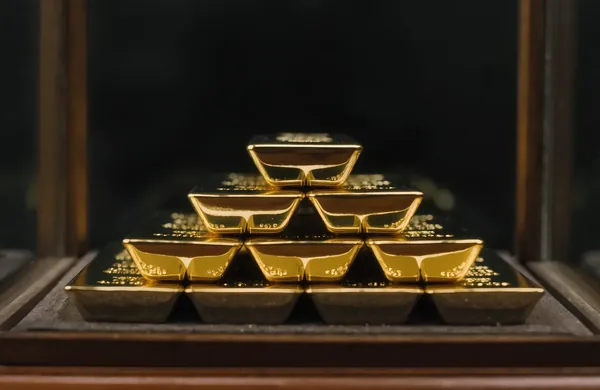
Gold functions as a safe haven asset during periods of economic uncertainty and financial crises. The metal possesses intrinsic value, has established historical precedent as a store of wealth, and maintains global acceptance across markets. During periods of market volatility and currency instability, gold typically experiences increased investor demand as market participants seek asset preservation.
Gold serves as an inflation hedge and provides portfolio stability during economic turbulence. Analysis of gold's crisis performance requires examination of its historical price movements, the economic and geopolitical factors that influence its valuation, and its application within diversified investment strategies. Gold's value retention characteristics become pronounced when other asset classes experience declining performance.
During economic downturns, increased investor demand for gold typically results in upward price pressure. Understanding gold's safe haven properties enables investors to make data-driven allocation decisions. This analysis examines gold's historical crisis performance, the fundamental and technical factors affecting its price discovery, and its strategic implementation within investment portfolios.
Historical Performance of Gold During Crises
Historically, gold has demonstrated remarkable resilience during economic downturns and geopolitical crises. For instance, during the 2008 financial crisis, gold prices soared as investors sought refuge from plummeting stock markets and declining real estate values. The price of gold reached an all-time high in 2012, reflecting its status as a safe haven asset amid widespread economic uncertainty.
Another significant example is the global pandemic in 2020.
As governments implemented lockdowns and economies ground to a halt, gold prices surged to new heights. Investors turned to gold as a hedge against potential inflation and currency devaluation resulting from unprecedented monetary stimulus measures.
This historical performance underscores gold's reliability as a protective asset during crises.
Factors Affecting the Price of Gold During Crises
Several factors influence the price of gold during crises, making it essential for investors to understand these dynamics. One primary factor is market sentiment. When fear and uncertainty grip investors, demand for gold typically increases, driving prices higher.
Conversely, when confidence returns to the market, demand may wane, leading to price corrections. Another critical factor is the strength of the U.S. dollar.
Gold is often inversely correlated with the dollar; when the dollar weakens, gold prices tend to rise.
This relationship is particularly evident during crises when central banks may implement policies that devalue their currencies.
Additionally, geopolitical tensions can create supply chain disruptions or increase demand for safe-haven assets like gold, further impacting prices.
Gold's Role as a Hedge Against Inflation and Currency Devaluation
Gold has long been viewed as an effective hedge against inflation and currency devaluation. When inflation rises, the purchasing power of fiat currencies declines, prompting investors to seek assets that can preserve value. Gold has historically maintained its purchasing power over time, making it an attractive option for those looking to protect their wealth.
During periods of economic instability, central banks may resort to printing more money to stimulate growth. This increase in money supply can lead to inflationary pressures, further enhancing gold's appeal. As currencies lose value, gold often appreciates, providing a safeguard for investors against the erosion of their wealth.
The Impact of Geopolitical Tensions on Gold Prices
Geopolitical tensions significantly influence gold prices, often leading to increased demand for safe-haven assets. Events such as military conflicts, trade wars, or political instability can create uncertainty in financial markets. In such scenarios, investors typically flock to gold as a means of preserving their capital.
For example, during the U.S.-China trade war, gold prices experienced notable increases as investors sought refuge from potential economic fallout. Similarly, tensions in the Middle East have historically driven up gold prices due to fears of supply disruptions and broader economic implications. Understanding these geopolitical dynamics is crucial for investors looking to navigate the complexities of gold pricing.
Gold as a Diversification Tool in Investment Portfolios
Incorporating gold into an investment portfolio can enhance diversification and reduce overall risk. Gold often exhibits low correlation with traditional asset classes such as stocks and bonds. This characteristic makes it an effective tool for mitigating volatility and providing stability during market downturns.
Investors can benefit from including gold in their portfolios by balancing their exposure to riskier assets. During periods of economic uncertainty, while equities may decline, gold often retains or increases its value. This inverse relationship can help cushion losses and provide a more stable return profile over time.
The Relationship Between Gold and Financial Market Volatility
Gold's performance is closely tied to financial market volatility. When markets experience significant fluctuations or downturns, investors often seek refuge in gold as a safe haven asset. This behavior drives up demand and subsequently increases prices.
Research indicates that during periods of high volatility, such as market crashes or economic recessions, gold tends to outperform other asset classes. Its ability to act as a stabilizing force in turbulent times makes it an attractive option for risk-averse investors looking to safeguard their capital.
The Role of Central Banks in Influencing Gold Prices During Crises
Central banks play a pivotal role in influencing gold prices during crises through their monetary policies and reserve management strategies. When central banks adopt accommodative monetary policies—such as lowering interest rates or engaging in quantitative easing—gold often benefits from increased demand. Additionally, central banks themselves are significant players in the gold market.
Many central banks hold substantial gold reserves as part of their foreign exchange reserves. During times of crisis, they may increase their gold purchases to bolster their balance sheets and instill confidence in their currencies. This activity can further drive up gold prices and reinforce its status as a safe haven asset.
Gold's Response to Economic Stimulus Measures During Crises
Economic stimulus measures implemented by governments during crises can have profound effects on gold prices. When central banks inject liquidity into the economy through stimulus packages or low-interest rates, concerns about inflation and currency devaluation often arise. As a result, investors may turn to gold as a hedge against these potential risks.
For instance, during the COVID-19 pandemic, massive fiscal stimulus measures led to a surge in gold prices as investors sought protection from anticipated inflationary pressures. Understanding this relationship between economic stimulus and gold pricing is crucial for investors looking to navigate uncertain economic landscapes.
The Role of Speculation and Investor Sentiment in Gold Price Movements
Speculation and investor sentiment are significant drivers of gold price movements during crises. Market participants often react emotionally to news events or economic indicators, leading to rapid fluctuations in demand for gold. For example, positive news regarding economic recovery may lead investors to sell off their gold holdings in favor of riskier assets like stocks.
Conversely, negative news can trigger panic buying of gold as investors seek safety. This interplay between speculation and sentiment highlights the importance of staying informed about market trends and understanding how they can impact gold prices.
Navigating the Unpredictable Nature of Gold During Crises
In conclusion, navigating the unpredictable nature of gold during crises requires a comprehensive understanding of its historical performance, influencing factors, and role within investment portfolios. Gold has consistently proven itself as a reliable safe haven asset amid economic turmoil and geopolitical tensions. By recognizing the various dynamics at play—such as market sentiment, central bank policies, and inflationary pressures—investors can make informed decisions about incorporating gold into their strategies.
As we continue to face uncertain times ahead, maintaining a diversified portfolio that includes gold can provide both security and peace of mind for investors seeking stability in an ever-changing financial landscape.
Questions
Straight answers on the unpredictable nature of gold during crises
Why is gold considered a safe haven during crises?
Gold is viewed as a safe haven because it retains value when other assets, like stocks or currencies, may decline. Its scarcity, intrinsic value, and historical role as a store of wealth make it a preferred asset during economic or geopolitical uncertainty.
How does gold behave differently compared to other assets in times of crisis?
During crises, gold often increases in value or remains stable, while other assets such as equities or bonds may fall sharply. This is due to investors seeking to preserve capital and reduce risk, driving demand for gold higher.
What factors cause gold prices to rise during economic downturns?
Gold prices rise during downturns due to increased demand as a safe haven, inflation fears, currency devaluation, and central bank policies like low interest rates or quantitative easing that reduce the appeal of fiat currencies.
Does gold always increase in value during every crisis?
While gold generally performs well during many crises, it does not always increase in value. Short-term fluctuations can occur due to liquidity needs or market sentiment, but over the long term, gold tends to preserve wealth during turbulent times.
How do central banks influence gold markets during crises?
Central banks may increase gold reserves to diversify assets and strengthen financial stability during crises. Their buying or selling activities can impact gold prices and market dynamics significantly.
Is gold a good investment for portfolio diversification during uncertain times?
Yes, gold is widely regarded as an effective diversification tool because it often has a low or negative correlation with other asset classes, helping to reduce overall portfolio risk during uncertain periods.
What historical examples demonstrate gold’s role during crises?
Historical examples include the 2008 financial crisis, where gold prices surged as investors sought safety, and periods of high inflation or geopolitical tensions, such as the 1970s or during the COVID-19 pandemic, when gold demand and prices increased markedly.
How does inflation impact gold prices during crises?
Inflation typically boosts gold prices because gold is seen as a hedge against the declining purchasing power of fiat currencies. During crises with rising inflation, investors often turn to gold to protect their wealth.
Can gold be affected by changes in the US dollar during crises?
Yes, gold prices often move inversely to the US dollar. When the dollar weakens during crises, gold becomes cheaper for holders of other currencies, increasing demand and pushing prices higher.
What role does investor psychology play in gold’s performance during crises?
Investor psychology is crucial; fear and uncertainty drive demand for gold as a safe asset. This collective behavior can amplify gold price movements during times of crisis, reinforcing its status as a crisis commodity.