Journal
Silver's Potential to Disrupt Derivatives Market
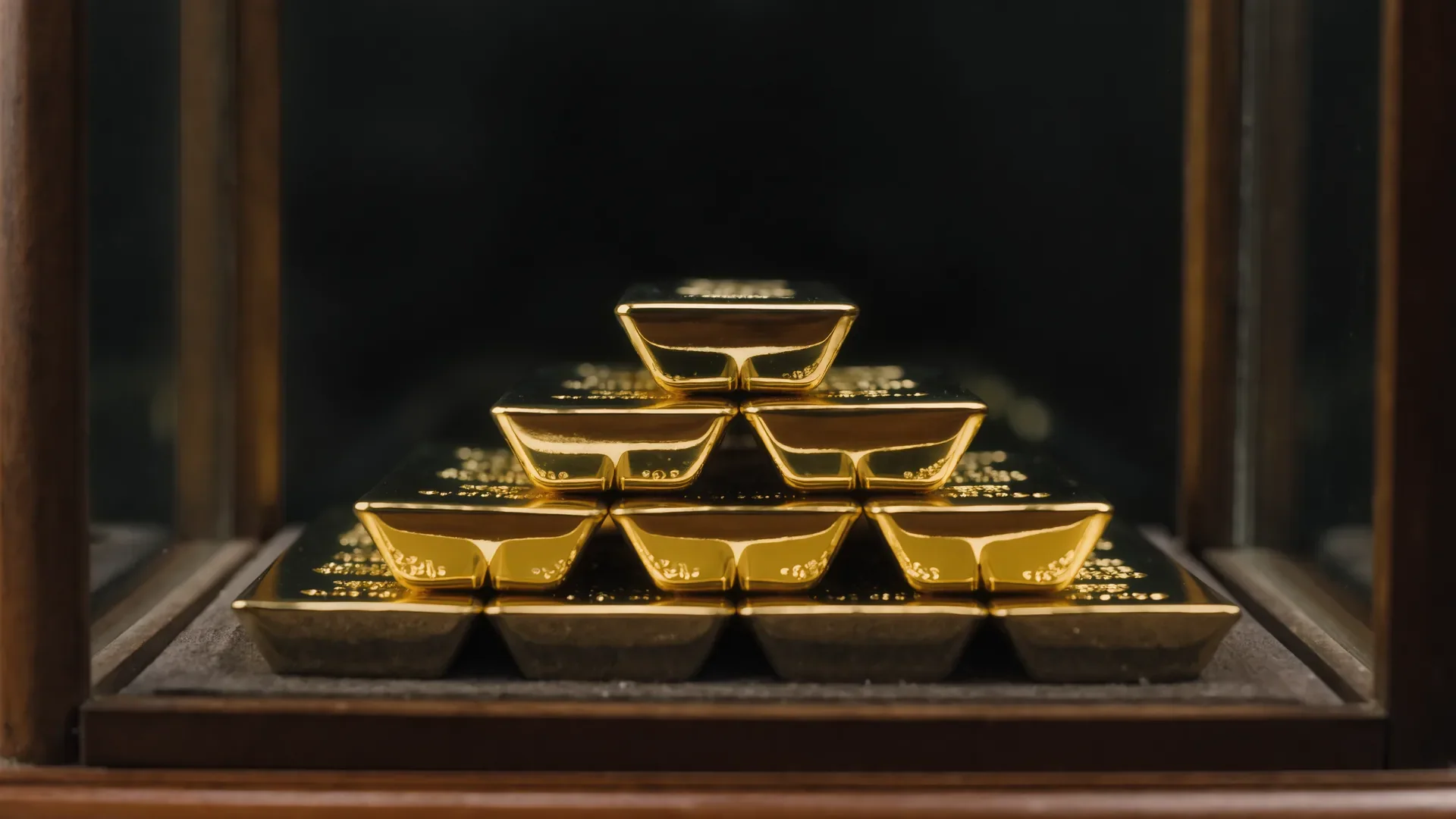
Silver functions as both a precious metal and industrial commodity in the derivatives market, where financial instruments derive their value from underlying assets.
The metal's dual nature creates distinct trading opportunities for investors seeking portfolio diversification and risk management tools.
The derivatives market encompasses various financial instruments including futures contracts, options, and swaps that allow investors to gain exposure to silver without direct physical ownership.
Silver's price movements are influenced by multiple factors including industrial demand from electronics, solar panels, and medical applications, as well as investment demand during periods of economic uncertainty. Silver derivatives serve several key functions in financial markets. Futures contracts enable price discovery and allow producers and consumers to hedge against price fluctuations.
Options provide investors with the right, but not obligation, to buy or sell silver at predetermined prices. These instruments facilitate risk transfer between market participants and provide liquidity to the broader silver market. Industrial consumption accounts for approximately 50-60% of annual silver demand, creating fundamental price support distinct from purely investment-driven precious metals.
This industrial component adds complexity to silver price analysis, as economic growth patterns and technological developments directly impact demand levels.
The metal's conductivity properties make it essential in electronics manufacturing, while its antimicrobial characteristics drive usage in medical applications.
Investment demand for silver derivatives typically increases during periods of currency devaluation, inflation concerns, or geopolitical uncertainty.
The metal's lower price point compared to gold makes it accessible to a broader range of investors, though this also contributes to higher price volatility relative to other precious metals.
The Current State of the Derivatives Market
The derivatives market has experienced significant growth over the past few decades, evolving into a critical component of the global financial system. With a wide array of instruments such as futures, options, and swaps, this market allows participants to hedge risks, speculate on price movements, and enhance liquidity. Currently, the market is characterized by increasing participation from institutional investors, advancements in technology, and a growing emphasis on risk management strategies.
Despite its growth, the derivatives market faces challenges such as regulatory scrutiny and market volatility. The complexity of these instruments can lead to misunderstandings and mismanagement of risks. As investors navigate this landscape, the need for reliable assets that can provide stability becomes paramount.
Silver emerges as a viable candidate due to its historical performance during economic downturns and its ability to act as a hedge against inflation.
Silver's Unique Properties and Uses in Derivatives
Silver possesses unique properties that set it apart from other commodities in the derivatives market. Its dual nature as both a precious metal and an industrial commodity makes it versatile. Silver is widely used in various industries, including electronics, solar energy, and medical applications.
This industrial demand contributes to its price stability and growth potential, making it an attractive underlying asset for derivatives. In addition to its industrial uses, silver has a long-standing reputation as a store of value. Investors often turn to silver during times of economic uncertainty, driving demand for silver-based derivatives.
This combination of industrial utility and investment appeal positions silver as a unique asset class within the derivatives market. By incorporating silver into their portfolios, investors can benefit from both its price appreciation potential and its ability to mitigate risks associated with other asset classes.
Silver's Role in Hedging and Risk Management
Hedging is a fundamental strategy employed by investors to protect their portfolios from adverse price movements. Silver derivatives play a crucial role in this process by providing a means to offset potential losses in other investments. For instance, when equity markets decline, silver often retains its value or even appreciates, allowing investors to hedge against stock market volatility.
Moreover, silver's historical performance during inflationary periods enhances its appeal as a hedging instrument. As central banks implement expansive monetary policies, the purchasing power of fiat currencies may diminish. In such scenarios, silver can serve as a safeguard against currency devaluation.
By utilizing silver derivatives, investors can effectively manage their exposure to inflationary pressures while capitalizing on potential price increases.
Silver's Potential to Challenge Traditional Derivatives
As the financial landscape evolves, silver has the potential to challenge traditional derivatives that have dominated the market for years. While gold has long been viewed as the primary precious metal for hedging and investment purposes, silver's unique characteristics offer an alternative that may appeal to a broader range of investors. The increasing recognition of silver's industrial applications further enhances its attractiveness as a derivative asset.
Additionally, the growing interest in sustainable investing has led to increased demand for silver due to its role in green technologies such as solar panels and electric vehicles. This shift in investor sentiment could position silver derivatives as a more favorable option compared to traditional assets. By embracing silver as a viable alternative, investors can diversify their portfolios while aligning with emerging trends in sustainability and innovation.
The Impact of Silver on Pricing and Volatility in the Derivatives Market
Silver's presence in the derivatives market can significantly influence pricing dynamics and volatility levels. As more investors incorporate silver derivatives into their strategies, the demand for these instruments can lead to increased liquidity and tighter bid-ask spreads. This enhanced liquidity can contribute to more stable pricing and reduced volatility compared to less liquid assets.
Furthermore, silver's historical correlation with other commodities and financial markets can create opportunities for arbitrage and strategic trading. Investors who understand these relationships can leverage silver derivatives to capitalize on price discrepancies and enhance their overall returns. By actively participating in the silver derivatives market, investors can contribute to more efficient pricing mechanisms while managing their risk exposure effectively.
Regulatory and Compliance Considerations for Silver Derivatives
As with any financial instrument, regulatory compliance is paramount in the trading of silver derivatives. Regulatory bodies closely monitor derivatives markets to ensure transparency and protect investors from systemic risks. Understanding these regulations is essential for participants looking to engage in silver derivatives trading.
Compliance considerations include reporting requirements, margin regulations, and adherence to anti-money laundering (AML) laws. Investors must stay informed about evolving regulations that may impact their trading strategies. By prioritizing compliance, investors can mitigate legal risks while fostering trust with counterparties and regulators alike.
Market Adoption and Acceptance of Silver Derivatives
The adoption of silver derivatives has been gradual but steady over recent years. Institutional investors are increasingly recognizing the value of incorporating silver into their portfolios as part of a diversified investment strategy. This growing acceptance is driven by silver's unique properties and its potential to enhance risk-adjusted returns.
Market participants are also witnessing an increase in innovative financial products linked to silver, such as exchange-traded funds (ETFs) and structured notes. These products provide easier access to silver exposure for retail investors while promoting broader market participation. As awareness of silver's benefits continues to grow, we can expect further adoption of silver derivatives across various investor segments.
Potential Challenges and Obstacles for Silver in the Derivatives Market
Despite its potential, several challenges may hinder the widespread adoption of silver derivatives. One significant obstacle is the perception that silver is less liquid than other precious metals like gold. This perception can deter some institutional investors from fully embracing silver as a viable derivative asset.
Additionally, price volatility remains a concern for many investors considering silver derivatives. While volatility can create opportunities for profit, it can also lead to significant losses if not managed properly. Investors must develop robust risk management strategies to navigate these challenges effectively.
The Future of Silver in the Derivatives Market
Looking ahead, the future of silver in the derivatives market appears promising. As global economic uncertainties persist and inflationary pressures mount, demand for safe-haven assets like silver is likely to increase. This trend could drive further innovation in silver derivative products, catering to diverse investor needs.
Moreover, advancements in technology may enhance trading efficiency and accessibility for retail investors interested in silver derivatives. As more participants enter the market, we can expect increased liquidity and improved pricing mechanisms that benefit all stakeholders involved.
Silver's Disruptive Potential and Opportunities in the Derivatives Market
In conclusion, silver holds significant disruptive potential within the derivatives market. Its unique properties as both a precious metal and an industrial commodity position it as an attractive option for hedging and risk management strategies. As market dynamics evolve and investor preferences shift towards sustainable assets, silver derivatives are poised for greater acceptance and adoption.
Investors who recognize the opportunities presented by silver can enhance their portfolios while navigating economic uncertainties effectively. By embracing this versatile asset class, they can position themselves for success in an ever-changing financial landscape. The time is ripe for investors to explore the potential of silver in the derivatives market and capitalize on its myriad benefits.
Questions
Straight answers on silver's potential to disrupt derivatives market
What is the derivatives market?
The derivatives market is a financial market where participants trade contracts whose value is derived from the performance of underlying assets, such as commodities, stocks, bonds, interest rates, or currencies.
How is silver related to the derivatives market?
Silver is a commodity that is actively traded in the derivatives market through futures, options, and other financial instruments. Its price movements can influence the value of these derivatives and impact market stability.
What does it mean for silver to "break" the derivatives market?
The phrase "silver could break the derivatives market" suggests that significant price volatility or market events related to silver could cause disruptions, liquidity issues, or systemic risks within the derivatives market.
Why is silver considered a significant commodity in financial markets?
Silver is widely used in industry, investment, and as a store of value. Its dual role as both an industrial metal and a precious metal makes it sensitive to economic changes, influencing its demand and price.
What factors could cause silver to impact the derivatives market?
Factors include sudden price spikes or crashes, increased speculative trading, supply chain disruptions, or changes in regulatory policies affecting silver trading and derivatives contracts.
Are there historical examples of commodities affecting the derivatives market?
Yes, commodities like oil and gold have previously experienced price shocks that led to increased volatility and stress in derivatives markets, sometimes causing margin calls and liquidity challenges.
How do regulators monitor risks related to silver in the derivatives market?
Regulators track trading volumes, price movements, and market participants' positions to identify excessive speculation or potential market manipulation, implementing rules to maintain market integrity and stability.
What can investors do to manage risks associated with silver derivatives?
Investors should conduct thorough research, use risk management tools such as stop-loss orders, diversify their portfolios, and stay informed about market conditions and regulatory changes affecting silver derivatives.
Is the potential impact of silver on the derivatives market a cause for concern?
While significant price volatility in silver can pose risks, the derivatives market is generally equipped with mechanisms to manage such events. However, extreme scenarios could challenge market stability, warranting close attention from participants and regulators.