Journal
Unlocking the Value: The Importance of Gold Appraisal

Gold appraisal has a rich history that dates back thousands of years. Ancient civilizations, such as the Egyptians and Romans, recognized the value of gold not only as a currency but also as a symbol of wealth and power. They developed methods to assess the purity and weight of gold, laying the groundwork for modern appraisal techniques.
Goldsmiths and jewelers played a crucial role in this process, using their expertise to determine the value of gold items based on their craftsmanship and material quality. As trade expanded, so did the need for accurate gold appraisal. The establishment of standardized weights and measures in the Middle Ages further refined the process.
By the 19th century, with the advent of modern chemistry and metallurgy, more sophisticated methods emerged. Today, gold appraisal combines traditional techniques with advanced technology, ensuring that individuals and businesses can accurately assess the value of their gold assets.
The Process of Gold Appraisal
The process of gold appraisal involves several key steps to ensure an accurate valuation. Initially, the appraiser examines the item to determine its type—whether it is jewelry, coins, or bullion. This classification is essential as it influences the valuation method used.
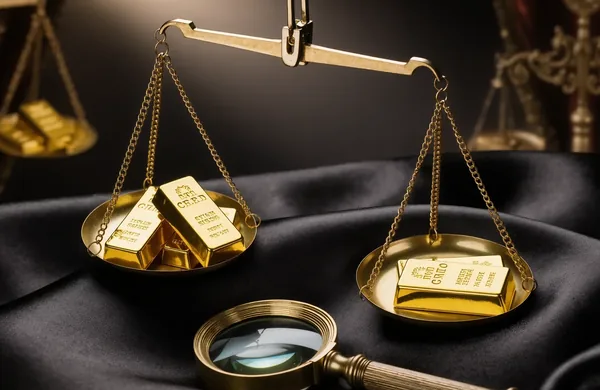
Next, the appraiser assesses the purity of the gold, typically measured in karats or fineness. This step often involves using specialized tools like acid tests or electronic testers to provide precise readings. Once the purity is established, the appraiser weighs the gold item.
The weight, combined with the purity level, allows for a calculation of its intrinsic value based on current market prices. Additionally, factors such as craftsmanship, brand reputation, and historical significance may also be considered, especially for unique or antique pieces. This comprehensive approach ensures that clients receive a fair and accurate appraisal.
The Importance of Accurate Gold Appraisal
Accurate gold appraisal is crucial for various reasons. First and foremost, it provides individuals with a clear understanding of their assets' worth. Whether for personal knowledge or financial planning, knowing the value of gold can significantly impact decision-making.
For instance, individuals looking to sell their gold can benefit from an accurate appraisal to ensure they receive a fair price. Moreover, accurate appraisals are essential for insurance purposes. Insurers require precise valuations to determine coverage amounts and premiums.
An undervalued item may lead to insufficient coverage in case of loss or theft, while overvaluation can result in higher premiums than necessary. Therefore, obtaining an accurate appraisal is vital for protecting one's financial interests.
The Role of Gold Appraisal in Jewelry and Antiques
Gold appraisal plays a significant role in the jewelry and antiques market. For jewelry owners, understanding the value of their pieces can enhance their appreciation and inform future decisions regarding selling or insuring them. Antique jewelry often carries historical significance, making accurate appraisal even more critical.
Appraisers consider factors such as age, design, and provenance when determining value. In the antiques market, gold appraisal helps collectors and investors make informed purchases. Knowing the worth of an item before buying can prevent overpaying and ensure that collectors build valuable portfolios.
Additionally, appraisals can assist in estate planning by providing heirs with a clear understanding of their inherited assets' value.
The Impact of Gold Appraisal on Investment and Financial Planning
Gold has long been considered a safe-haven investment, especially during economic uncertainty. Accurate gold appraisal is essential for investors looking to diversify their portfolios with precious metals. By understanding the current market value of their gold holdings, investors can make informed decisions about buying or selling.
Furthermore, accurate appraisals can aid in financial planning by providing insights into asset allocation. Investors can assess how much of their portfolio should be allocated to gold based on its current value and market trends. This strategic approach helps individuals manage risk while maximizing potential returns.
Gold Appraisal in the Context of Estate Planning
In estate planning, gold appraisal serves a vital function by providing an accurate valuation of assets that will be passed down to heirs. Knowing the worth of gold items can help individuals make informed decisions about how to distribute their estate fairly among beneficiaries. This process can prevent disputes among heirs and ensure that each party receives their fair share.
Additionally, accurate appraisals can assist in tax planning. When valuing an estate for tax purposes, having precise appraisals for gold assets can help minimize tax liabilities and ensure compliance with regulations. This proactive approach to estate planning can save families time and money in the long run.
The Connection Between Gold Appraisal and Insurance
The connection between gold appraisal and insurance cannot be overstated. Insurers require accurate valuations to determine coverage amounts for gold items. An appraisal provides documentation that supports the insured value, ensuring that policyholders are adequately protected in case of loss or theft.
Moreover, regular appraisals are essential as market values fluctuate over time. Policyholders should periodically reassess their gold assets to ensure that their insurance coverage reflects current market conditions. Failure to do so may result in inadequate coverage or overpayment on premiums.
Gold Appraisal in the Context of Selling and Buying Gold
When it comes to buying or selling gold, accurate appraisal is paramount. Sellers need to know the true value of their items to negotiate effectively with buyers or dealers. An accurate appraisal provides sellers with leverage during negotiations, ensuring they receive a fair price for their gold assets.
On the other hand, buyers benefit from appraisals by gaining confidence in their purchases. Knowing that an item has been accurately valued helps buyers avoid scams or overpaying for gold items. This transparency fosters trust between buyers and sellers, creating a healthier marketplace for precious metals.
The Role of Gold Appraisal in the Art and Collectibles Market
Gold appraisal extends beyond traditional jewelry and coins; it also plays a significant role in the art and collectibles market.
Many artists incorporate gold into their works, making accurate appraisal essential for collectors looking to invest in these unique pieces.
Understanding the value of gold within an artwork can influence purchasing decisions and investment strategies.
Additionally, collectibles that feature gold elements often carry additional value due to their rarity or historical significance. Accurate appraisals help collectors assess these factors and make informed decisions about acquiring or selling such items.
The Legal and Regulatory Aspects of Gold Appraisal
Gold appraisal is subject to various legal and regulatory aspects that ensure fairness and transparency in the marketplace. Professional appraisers often adhere to industry standards set by organizations such as the American Society of Appraisers (ASA) or the International Society of Appraisers (ISA). These standards promote ethical practices and provide guidelines for conducting appraisals.
Furthermore, regulations surrounding gold transactions may vary by jurisdiction. Understanding these legal aspects is crucial for both appraisers and clients to ensure compliance with local laws regarding valuation and sales.
The Future of Gold Appraisal in a Changing Market
As market dynamics evolve, so too does the field of gold appraisal. Technological advancements are shaping how appraisals are conducted, with tools like digital scales and advanced testing equipment becoming more prevalent.
These innovations enhance accuracy and efficiency in the appraisal process.
Moreover, as global economic conditions fluctuate, demand for gold may rise or fall, impacting its value significantly. Appraisers must stay informed about market trends to provide clients with relevant insights into their gold assets' worth. The future of gold appraisal will likely involve a blend of traditional expertise and modern technology to meet clients' needs effectively.
In conclusion, understanding the multifaceted nature of gold appraisal is essential for anyone involved in buying, selling, or investing in gold assets. From its historical roots to its role in modern financial planning and estate management, accurate appraisal serves as a cornerstone for informed decision-making in this valuable market. Whether you are an individual looking to assess your jewelry or an investor seeking to diversify your portfolio, professional gold appraisal offers clarity and confidence in navigating this precious metal's complexities.
Questions
Straight answers on unlocking the value
What is gold appraisal?
Gold appraisal is the process of evaluating the purity, weight, and market value of gold items such as jewelry, coins, or bullion. It helps determine the current worth of gold based on factors like karat, craftsmanship, and market demand.
Why is gold appraisal important?
Gold appraisal is important for insurance purposes, selling or buying gold, estate planning, and verifying authenticity. It ensures that you have an accurate estimate of your gold item's value.
Who can perform a gold appraisal?
Certified appraisers, jewelers, or professionals trained in precious metals can perform gold appraisals. It is recommended to use a reputable and experienced appraiser for accurate results.
How is the value of gold determined during an appraisal?
The value is determined by assessing the gold's purity (karat), weight, craftsmanship, condition, and current market price of gold. Additional factors like brand, age, and rarity may also influence the appraisal.
What tools are used in gold appraisal?
Common tools include electronic gold testers, acid testing kits, scales for weighing, magnifying glasses, and sometimes X-ray fluorescence (XRF) analyzers to determine purity without damaging the item.
Does gold appraisal cost money?
Yes, many appraisers charge a fee for their services, which can vary depending on the complexity and purpose of the appraisal. Some jewelers may offer free appraisals if you are a potential buyer or seller.
How often should I get my gold appraised?
It is advisable to get your gold appraised every few years or when there is a significant change in the market price of gold. Also, appraisals are recommended before selling or insuring your gold items.
Can gold appraisal detect fake or counterfeit gold?
Yes, professional appraisers use various testing methods to verify the authenticity of gold and can identify counterfeit or plated items.
Is the appraisal value the same as the selling price?
Not necessarily. The appraisal value reflects the estimated worth based on market conditions, but the actual selling price may vary depending on the buyer, market demand, and negotiation.
What documents do I receive after a gold appraisal?
Typically, you receive a written appraisal report detailing the description of the item, its weight, purity, condition, and estimated value. This document can be used for insurance or resale purposes.