Journal
Find the Best Gold Buyer Near Me
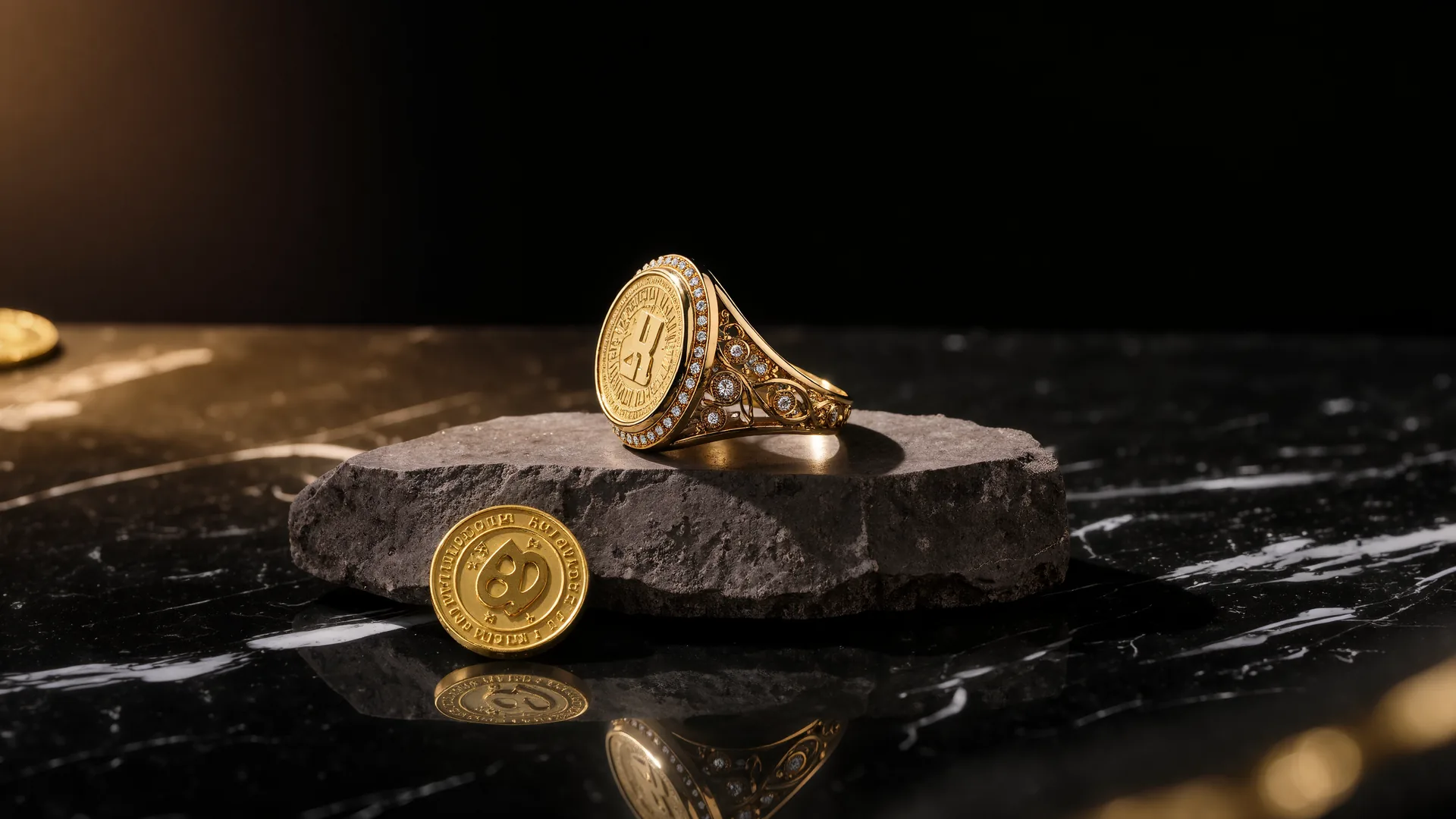
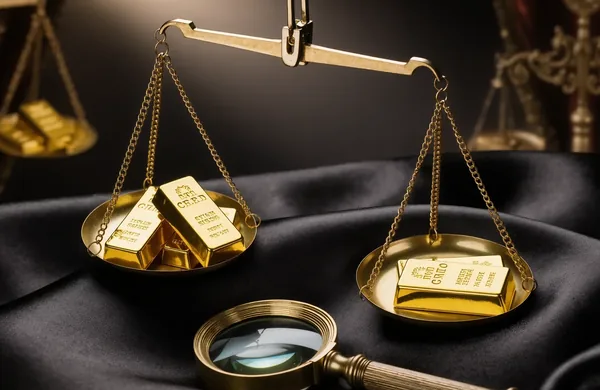
The gold buying process involves several standardized steps that sellers should understand before entering the market. The transaction begins with a professional assessment of gold items, which may include jewelry, coins, bars, or other precious metal objects. During evaluation, buyers examine two primary factors: purity (measured in karats for jewelry or fineness for bullion) and weight (typically measured in grams or troy ounces).
These measurements determine the item's intrinsic value based on current market prices. Gold values fluctuate continuously during market hours, influenced by global economic factors, currency movements, and supply-demand dynamics. This volatility means that timing can significantly affect the final sale price.
Sellers should monitor spot gold prices and market trends to optimize their selling strategy. Different types of buyers operate with varying business models and cost structures, resulting in different offer prices for identical items. Coin dealers, jewelry stores, pawn shops, and online gold buyers each have distinct overhead costs and profit margins that influence their purchasing rates.
Comparing multiple offers from different buyer categories typically yields better results for sellers.
Understanding these market dynamics and evaluation processes enables sellers to make informed decisions and negotiate more effectively.
Researching Local Gold Buyers
When it comes to selling your gold, researching local buyers is a critical step. Start by identifying reputable gold buyers in your area. Look for established businesses with a solid track record in the industry.
Local jewelers, pawn shops, and specialized gold buying stores are common options. Each type of buyer has its pros and cons, so it's essential to weigh your options carefully. In addition to location, consider the buyer's reputation.
A well-regarded buyer will often have a history of fair dealings and satisfied customers. Take the time to visit their websites or physical locations to gather information about their services and policies. This research will help you narrow down your choices and find a buyer who aligns with your needs and expectations.
Asking for Recommendations
One of the most effective ways to find trustworthy gold buyers is by asking for recommendations from friends, family, or colleagues. Personal referrals can provide valuable insights into the experiences others have had with specific buyers. If someone you trust has had a positive experience selling their gold, it can give you confidence in your choice.
When seeking recommendations, don't hesitate to ask detailed questions about the process they went through. Inquire about the buyer's professionalism, transparency, and overall satisfaction with the transaction. Gathering firsthand accounts can help you build a shortlist of potential buyers who are known for their integrity and fair practices.
Checking Online Reviews
In today's digital age, online reviews are an invaluable resource when researching gold buyers. Websites like Yelp, Google Reviews, and Trustpilot offer platforms where customers share their experiences. Reading these reviews can provide insights into a buyer's reputation and reliability.
Look for patterns in feedback—consistent praise or complaints can indicate what you might expect during your transaction. Pay attention to both positive and negative reviews. While a few negative comments are normal for any business, a pattern of dissatisfaction may be a red flag.
Additionally, consider how the buyer responds to criticism; a professional response can indicate a commitment to customer service and satisfaction.
Comparing Payout Rates
Once you've identified potential buyers, it's time to compare payout rates. Different buyers may offer varying prices for your gold based on their business models and market conditions. Request quotes from multiple buyers to get a sense of the going rate for your items.
This step is crucial in ensuring you receive a fair price for your gold. When comparing payout rates, consider not only the offered price but also any fees associated with the sale. Some buyers may charge commissions or processing fees that could affect your final payout.
By understanding these costs upfront, you can make an informed decision about which buyer offers the best overall value.
Understanding the Evaluation Process
Understanding how buyers evaluate gold is essential for sellers.
Typically, buyers will assess both the purity and weight of your gold items.
Purity is measured in karats (K), with 24K being pure gold.
Buyers will use tools like acid tests or electronic testers to determine purity accurately. Knowing this information can help you gauge the value of your items before entering negotiations. Weight is another critical factor in evaluation.
Gold is measured in troy ounces, and buyers will weigh your items to calculate their worth based on current market prices. Familiarizing yourself with these evaluation methods can empower you during discussions with potential buyers and help you feel more confident in the process.
Ensuring Transparency and Trustworthiness
Transparency is key when selling gold. A trustworthy buyer should be open about their evaluation process, pricing structure, and any fees involved in the transaction. Before proceeding with a sale, ask questions about how they determine value and what factors influence their offers.
A reputable buyer will be happy to explain their methods and provide clarity on any concerns you may have. Additionally, look for signs of trustworthiness in the buyer's business practices. This includes proper licensing, accreditation from industry organizations, and positive customer feedback.
A transparent buyer will prioritize building trust with their clients, ensuring a smooth and satisfactory transaction.
Inquiring About Payment Options
Before finalizing a sale, it's essential to inquire about payment options available from potential buyers. Different buyers may offer various payment methods, including cash, check, or electronic transfers. Understanding these options can help you choose a buyer that aligns with your preferences.
Consider factors such as payment speed and security when evaluating options. Some buyers may offer immediate cash payments, while others may take longer to process transactions through checks or bank transfers. Knowing how and when you'll receive payment can influence your decision-making process.
Checking for Proper Licensing and Accreditation
When selling gold, it's crucial to ensure that the buyer holds proper licensing and accreditation. Reputable gold buyers should be registered with relevant authorities and comply with local regulations governing precious metal transactions. This not only protects you as a seller but also ensures that you're dealing with a legitimate business.
You can often verify a buyer's licensing status through state or local government websites. Additionally, look for affiliations with industry organizations that promote ethical practices within the gold buying sector. These credentials can provide peace of mind as you navigate the selling process.
Understanding the Fine Print
Before committing to a sale, take the time to read and understand any contracts or agreements presented by the buyer. The fine print may contain important information regarding fees, payment terms, and return policies. Being aware of these details can prevent misunderstandings down the line.
If anything in the contract is unclear or raises concerns, don't hesitate to ask questions or seek clarification from the buyer. A reputable buyer will be willing to address your inquiries and ensure that you fully understand the terms of the transaction before proceeding.
Making the Decision and Selling Your Gold
After conducting thorough research and gathering all necessary information, it's time to make your decision on selling your gold. Weigh all factors—payout rates, buyer reputation, payment options—before finalizing your choice. Trust your instincts; if something feels off about a particular buyer, it may be worth exploring other options.
Once you've selected a buyer, prepare your gold items for sale by cleaning them gently and organizing any relevant documentation you may have (such as appraisals or receipts). This preparation can enhance your selling experience and potentially lead to better offers. In conclusion, selling your gold doesn't have to be overwhelming if you approach it methodically.
By understanding the process, researching local buyers, seeking recommendations, checking reviews, comparing rates, ensuring transparency, inquiring about payment options, verifying licensing, understanding contracts, and making informed decisions, you can navigate this journey confidently. Take action today! Start researching local gold buyers in your area and prepare to turn your unwanted gold into cash while ensuring a smooth and trustworthy transaction experience!
Questions
Straight answers on find the best gold buyer near me
What services do gold buyers near me typically offer?
Gold buyers near you usually offer services such as purchasing gold jewelry, coins, and scrap gold. They may also provide appraisals and instant cash payments based on the current market value of gold.
How do gold buyers determine the value of my gold?
Gold buyers assess the value of your gold by testing its purity (karat) and weighing it. They then calculate the price based on the current market price of gold, often referred to as the spot price.
Is it safe to sell gold to a local gold buyer?
Selling gold to a reputable local gold buyer is generally safe. It is important to choose a licensed and well-reviewed buyer who follows transparent pricing and provides a clear explanation of the evaluation process.
Do I need to provide identification when selling gold?
Yes, most gold buyers require valid identification to comply with local laws and regulations aimed at preventing theft and fraud.
Can I sell broken or damaged gold items?
Yes, gold buyers typically accept broken or damaged gold items as long as they contain gold. The value will be based on the gold content rather than the item's condition.
How quickly can I get paid when selling gold locally?
Many gold buyers offer immediate payment, often in cash, once the gold has been evaluated and agreed upon. Some may also offer payment via check or electronic transfer.
Are there any fees or commissions when selling gold to a local buyer?
Reputable gold buyers usually do not charge fees or commissions. However, it is advisable to ask upfront about any potential charges before completing the transaction.
How can I find a trustworthy gold buyer near me?
You can find trustworthy gold buyers by checking online reviews, asking for recommendations, verifying licenses, and comparing offers from multiple buyers to ensure you receive a fair price.