Journal
Unlocking the Hidden Value in Scrap Jewelry
Scrap jewelry is often overlooked, yet it holds significant potential for both financial gain and creative expression. This term refers to broken, unwanted, or outdated jewelry pieces that can be repurposed or sold for their metal content. Many people possess scrap jewelry without realizing its value, which can range from sentimental to monetary.
Understanding the intricacies of scrap jewelry can open doors to new opportunities, whether you are looking to declutter your collection or invest in a new project. The allure of scrap jewelry lies not only in its potential for profit but also in the stories behind each piece. Every item has a history, and transforming it into something new can be a rewarding experience.
Whether you are a seasoned jeweler or a novice, exploring the world of scrap jewelry can lead to exciting discoveries and creative ventures.
Understanding the Value of Scrap Jewelry
The value of scrap jewelry is determined by several factors, including the type of metal, gemstones, and overall condition. Precious metals like gold, silver, and platinum are highly sought after in the scrap market. Even if a piece is damaged or broken, its metal content can still be valuable.
Understanding these factors can help you make informed decisions about selling or repurposing your scrap jewelry. Additionally, the sentimental value of certain pieces should not be underestimated. Family heirlooms or gifts from loved ones may hold emotional significance that transcends their material worth.
Balancing both the financial and sentimental aspects is crucial when dealing with scrap jewelry. By recognizing its value, you can make choices that align with your personal and financial goals.
Identifying Different Types of Scrap Jewelry
Scrap jewelry comes in various forms, each with its unique characteristics and potential value.
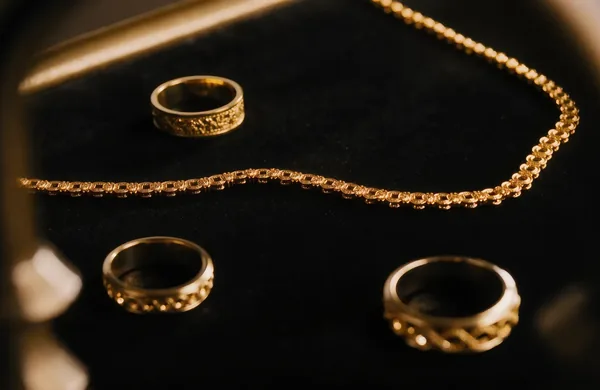
Common types include broken necklaces, mismatched earrings, and outdated rings.
Vintage pieces may also be considered scrap if they are no longer wearable but still possess historical significance.
Understanding these categories can help you assess what you have and how best to proceed. In addition to traditional jewelry, other items like dental gold, old watches, and even costume jewelry can be classified as scrap. Each type has its own market value and potential for repurposing.
By identifying the different types of scrap jewelry in your collection, you can better strategize your next steps, whether that involves selling, recycling, or creatively transforming them into new pieces.
Assessing the Quality of Scrap Jewelry
Assessing the quality of scrap jewelry is essential for determining its value and potential uses. Start by examining the materials used in each piece. Look for hallmarks or stamps that indicate the metal's purity, such as "14K" for gold or "925" for sterling silver.
These markings can significantly influence the resale value. Next, consider the condition of the jewelry.
Pieces that are merely tarnished may be easily cleaned and restored, while those that are broken may require repairs before they can be sold or repurposed.
Understanding the quality of your scrap jewelry will help you make informed decisions about whether to sell it as-is, repair it, or transform it into something entirely new.
Exploring Different Methods of Processing Scrap Jewelry
Processing scrap jewelry involves several methods that can maximize its value. One common approach is melting down precious metals to create new items or ingots. This process allows jewelers to reclaim valuable materials while eliminating any imperfections from old pieces.
Another method is refining, which involves separating precious metals from non-precious materials through chemical processes. This technique is often used for larger quantities of scrap jewelry and can yield high-quality results. Understanding these processing methods will help you determine the best approach for your scrap jewelry collection, whether you choose to do it yourself or work with a professional.
Techniques for Extracting Precious Metals from Scrap Jewelry
Extracting precious metals from scrap jewelry requires specific techniques that vary based on the type of metal involved. For gold and silver, one popular method is acid extraction, where chemicals are used to dissolve unwanted materials while leaving behind pure metal. This method requires careful handling and safety precautions due to the toxic nature of the chemicals involved.
Another technique is electrolysis, which uses electrical currents to separate metals from other materials. This method is often more environmentally friendly and can be done at home with the right equipment. By understanding these extraction techniques, you can choose the most suitable method for reclaiming precious metals from your scrap jewelry.
Creative Ways to Repurpose Scrap Jewelry
Repurposing scrap jewelry offers a unique opportunity to breathe new life into old pieces while expressing your creativity. One popular approach is to create custom jewelry items by combining different elements from various pieces. For example, you could turn broken necklaces into bracelets or use mismatched earrings to create a unique pendant.
Another creative option is to incorporate scrap jewelry into home decor projects. Items like brooches can be transformed into decorative wall art or used as embellishments on picture frames. The possibilities are endless when it comes to repurposing scrap jewelry, allowing you to create one-of-a-kind items that reflect your personal style.
How to Properly Store and Preserve Scrap Jewelry
Proper storage and preservation of scrap jewelry are crucial for maintaining its quality and value over time. Start by keeping each piece in a separate compartment or pouch to prevent scratching and tangling. Use anti-tarnish cloths or bags for silver items to minimize tarnishing.
Additionally, store your scrap jewelry in a cool, dry place away from direct sunlight and humidity. Regularly check on your collection to ensure that no damage has occurred during storage. By taking these steps, you can preserve the integrity of your scrap jewelry and maximize its potential value when you're ready to sell or repurpose it.
Finding the Right Buyer for Scrap Jewelry
Finding the right buyer for your scrap jewelry is essential for maximizing profit and ensuring a smooth transaction. Start by researching local jewelers who specialize in buying scrap metal or vintage pieces. Many jewelers offer competitive prices based on current market rates for precious metals.
Online platforms also provide opportunities to sell scrap jewelry directly to consumers or through auction sites. Be sure to read reviews and check ratings before choosing an online buyer to ensure a trustworthy transaction. By exploring multiple avenues for selling your scrap jewelry, you can find the best option that meets your needs.
Maximizing the Profit from Scrap Jewelry
To maximize profit from your scrap jewelry, consider several strategies that can enhance its value. First, gather all relevant information about each piece, including its weight, metal type, and any gemstones present. This information will help you negotiate better prices with potential buyers.
Additionally, consider cleaning and repairing items before selling them. A well-maintained piece often fetches a higher price than one that appears neglected. Finally, timing your sale based on market trends can also impact profitability; keep an eye on precious metal prices to ensure you're selling at an optimal time.
The Potential of Scrap Jewelry
The potential of scrap jewelry extends far beyond mere financial gain; it offers opportunities for creativity and personal expression as well. By understanding its value, identifying different types, assessing quality, and exploring various processing methods, you can unlock hidden treasures within your collection. Whether you choose to sell your scrap jewelry for profit or repurpose it into something new and beautiful, the possibilities are endless.
Embrace the journey of discovering what lies within your old pieces and take action today to maximize their potential!
Questions
Straight answers on unlocking the hidden value in scrap jewelry
What is scrap jewelry value?
Scrap jewelry value refers to the worth of jewelry based on the raw materials it contains, such as gold, silver, platinum, and gemstones, rather than its design or brand.
How is the value of scrap jewelry determined?
The value is typically determined by weighing the precious metals in the jewelry and multiplying by the current market price of those metals, often called the spot price. Gemstones and other materials may also be evaluated separately.
Does the condition of the jewelry affect its scrap value?
No, the condition usually does not affect scrap value since the jewelry is valued for its material content, not its appearance or craftsmanship.
Can all types of jewelry be sold for scrap value?
Most jewelry made from precious metals can be sold for scrap value, but costume jewelry or pieces made from non-precious metals generally have little to no scrap value.
Is scrap jewelry value the same as retail value?
No, scrap value is often lower than retail or resale value because it only accounts for the material content, not the design, brand, or craftsmanship.
Where can I sell my scrap jewelry?
You can sell scrap jewelry to jewelers, pawn shops, precious metal buyers, or specialized scrap gold buyers.
How often do precious metal prices change?
Precious metal prices fluctuate daily based on global market conditions, so scrap jewelry value can vary frequently.
Do I need to have my jewelry appraised before selling it for scrap?
While not always required, having your jewelry appraised can help you understand its metal content and potential value before selling.
Are gemstones included in scrap jewelry value?
Gemstones are usually not included in scrap value unless they are valuable and can be sold separately; otherwise, scrap value focuses mainly on the metal content.
Is it better to sell jewelry as scrap or as a whole piece?
Selling as scrap is often quicker but may yield less money than selling the jewelry as a whole, especially if it has designer value or collectible appeal.