Journal
Unlocking the Value: The Importance of Jewelry Appraisal
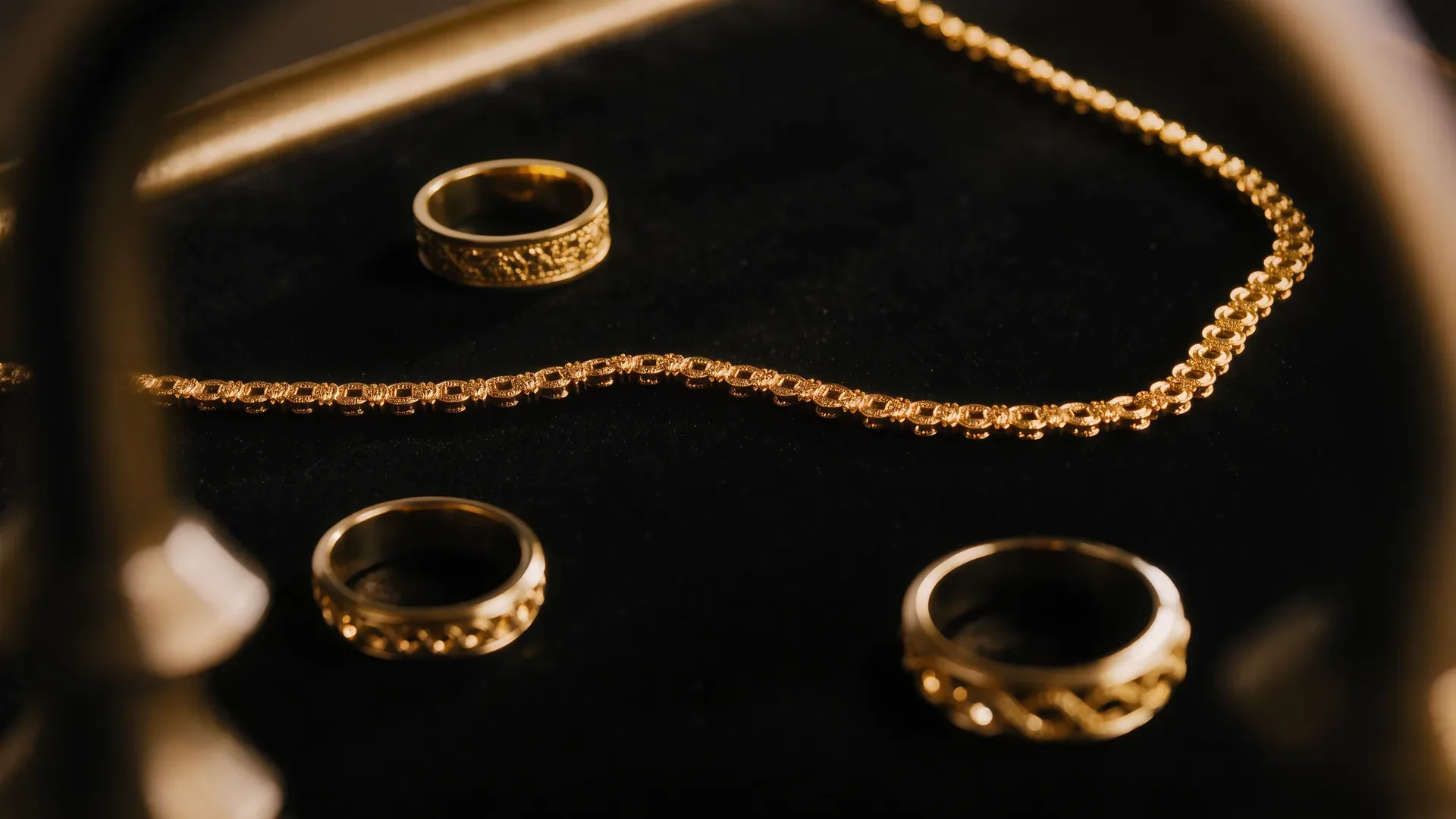
Jewelry appraisal serves a crucial function in determining the value of your precious items. Whether you own a family heirloom, a recent purchase, or a unique piece, understanding its worth is essential. An appraisal provides a professional assessment that can guide you in various situations, from insurance coverage to resale opportunities.
Knowing the value of your jewelry not only helps you make informed decisions but also ensures that you are adequately protected in case of loss or damage. The purpose of jewelry appraisal extends beyond mere valuation. It offers peace of mind, especially when it comes to safeguarding your investments.
An accurate appraisal can help you understand the market trends and the intrinsic value of your pieces. This knowledge empowers you to make strategic choices regarding your jewelry, whether you plan to keep it, sell it, or pass it down through generations.
The Role of a Professional Appraiser
A professional appraiser plays a vital role in the jewelry appraisal process. These experts possess specialized knowledge and training in evaluating various types of jewelry, including diamonds, gemstones, and precious metals. Their expertise allows them to provide accurate assessments based on current market conditions and industry standards.
When you seek an appraisal, you are relying on their experience to deliver a trustworthy evaluation. Moreover, professional appraisers adhere to ethical guidelines and standards set by recognized organizations. This ensures that their appraisals are not only accurate but also credible.
A reputable appraiser will provide you with a detailed report that outlines the methodology used in the evaluation, including factors such as quality, craftsmanship, and market demand. This transparency builds trust and confidence in the appraisal process.
Factors Considered in Jewelry Appraisal
Several factors come into play during a jewelry appraisal. One of the primary considerations is the quality of the materials used in the piece. For instance, the type and quality of gemstones, such as diamonds or sapphires, significantly influence the overall value.
Appraisers assess characteristics like cut, clarity, color, and carat weight to determine the worth of these stones. In addition to gemstones, the metal composition is another critical factor. The purity of gold or platinum, for example, can greatly affect the value of a piece.
Appraisers also consider the craftsmanship and design of the jewelry. Unique designs or pieces created by renowned artisans may carry a premium due to their artistic value. By evaluating these elements, appraisers can provide a comprehensive assessment that reflects both intrinsic and market value.
Importance of Appraisal for Insurance Purposes
One of the most significant reasons for obtaining a jewelry appraisal is for insurance purposes. Insuring your jewelry ensures that you are financially protected in case of theft, loss, or damage. However, insurance companies require an accurate valuation to determine coverage limits and premiums.
A professional appraisal provides this necessary documentation. Having an up-to-date appraisal is essential because jewelry values can fluctuate over time due to market trends and economic conditions. Regular appraisals ensure that your insurance policy reflects the current value of your items.
This proactive approach not only protects your investment but also gives you peace of mind knowing that you are adequately covered.
Appraisal for Estate Planning and Probate
Jewelry appraisal plays a crucial role in estate planning and probate processes. When someone passes away, their assets must be evaluated for distribution among heirs or beneficiaries. An accurate appraisal helps determine the fair market value of jewelry within an estate, ensuring equitable distribution.
In addition to facilitating fair distribution, an appraisal can also help minimize disputes among heirs. By providing an objective assessment from a qualified appraiser, families can avoid potential conflicts over the value of sentimental items. This clarity can ease the emotional burden during an already challenging time.
Appraisal for Resale and Liquidation
If you are considering selling or liquidating your jewelry, obtaining an appraisal is essential. A professional evaluation provides you with a clear understanding of your piece's market value, allowing you to set realistic expectations for sale prices. This knowledge can be particularly beneficial when negotiating with potential buyers.
Moreover, an appraisal can enhance your credibility as a seller. Providing potential buyers with a professional appraisal report demonstrates transparency and builds trust. Buyers are more likely to feel confident in their purchase when they know that an expert has evaluated the item’s worth.
Appraisal for Divorce Settlements
In divorce proceedings, jewelry often becomes a point of contention between parties. An accurate appraisal can help facilitate fair negotiations regarding asset division. By determining the value of each party's jewelry, both individuals can make informed decisions about what to keep or sell.
Additionally, having a professional appraisal can help prevent disputes over valuation discrepancies. When both parties agree on an independent assessment, it reduces the likelihood of conflict during negotiations. This objective approach can lead to a smoother divorce process and ensure that both parties feel fairly treated.
Appraisal for Charitable Donations
When donating jewelry to charitable organizations, obtaining an appraisal is essential for tax purposes. The IRS requires donors to provide a qualified appraisal for items valued over a certain amount to claim tax deductions accurately. A professional appraisal ensures that you have the necessary documentation to substantiate your donation's value.
Furthermore, an accurate appraisal can help charities understand the worth of the items they receive.
This knowledge allows them to make informed decisions about how to utilize or sell donated pieces effectively. By providing an appraisal with your donation, you contribute to transparency and accountability within charitable organizations.
Appraisal for Equitable Distribution
Equitable distribution refers to dividing assets fairly during legal proceedings such as divorce or separation. Jewelry often holds significant sentimental and monetary value, making its appraisal crucial in these situations. A professional evaluation helps ensure that both parties receive their fair share based on accurate valuations.
In equitable distribution cases, having an independent appraiser can provide an unbiased perspective on the value of jewelry assets. This objectivity helps mitigate potential conflicts and fosters cooperation between parties involved in the distribution process.
Appraisal for Curiosity and Documentation
Sometimes, individuals seek jewelry appraisals out of curiosity or for documentation purposes rather than financial reasons. You may want to know more about a family heirloom or simply wish to document your collection for personal records. An appraisal provides valuable insights into your jewelry's history and craftsmanship.
Additionally, having documentation on hand can be beneficial if you ever decide to sell or insure your pieces in the future. It serves as a reference point for understanding how values may change over time and helps maintain an organized record of your collection.
Choosing the Right Appraiser for Your Jewelry
Selecting the right appraiser is crucial for obtaining an accurate and trustworthy evaluation of your jewelry. Start by looking for professionals who hold certifications from recognized organizations such as the American Society of Appraisers (ASA) or the International Society of Appraisers (ISA). These credentials indicate that they have undergone rigorous training and adhere to ethical standards.
It's also essential to consider the appraiser's experience and specialization in jewelry evaluation. Look for someone who has a proven track record in assessing similar pieces to yours.
Reading reviews and testimonials from previous clients can provide valuable insights into their reputation and reliability.
In conclusion, understanding the purpose and importance of jewelry appraisal is vital for anyone who owns valuable pieces. Whether for insurance purposes, estate planning, or personal curiosity, having an accurate assessment can significantly impact your decisions regarding your jewelry collection. By choosing a qualified appraiser and recognizing the various contexts in which appraisals are necessary, you can ensure that your investments are well-protected and valued appropriately.
Questions
Straight answers on unlocking the value
What is jewelry appraisal?
Jewelry appraisal is the process of evaluating a piece of jewelry to determine its value, quality, and authenticity. This assessment is typically conducted by a certified appraiser who examines the materials, craftsmanship, and market conditions.
Why is jewelry appraisal important?
Jewelry appraisal is important for insurance purposes, resale value, estate planning, and legal documentation. It helps owners understand the worth of their jewelry and ensures proper coverage in case of loss or theft.
Who can perform a jewelry appraisal?
A qualified jewelry appraisal should be performed by a certified appraiser with expertise in gemology and jewelry valuation. Look for credentials from recognized organizations such as the Gemological Institute of America (GIA) or the American Society of Appraisers (ASA).
How is the value of jewelry determined?
The value of jewelry is determined by assessing factors such as the type and quality of gemstones, metal content, craftsmanship, brand, age, and current market demand. The appraiser uses these criteria to estimate a fair market value.
How often should jewelry be appraised?
It is recommended to have jewelry appraised every 2 to 3 years or after significant changes in the market or the piece itself, such as repairs or upgrades. Regular appraisals ensure accurate insurance coverage and up-to-date valuation.
What information is included in a jewelry appraisal report?
A jewelry appraisal report typically includes a detailed description of the item, materials used, gemstone characteristics, measurements, condition, photographs, and the appraised value. It may also include the appraiser’s credentials and the date of appraisal.
Is a jewelry appraisal the same as a jewelry certification?
No, a jewelry appraisal and a certification are different. An appraisal estimates the value of the jewelry, while a certification verifies the authenticity and quality of gemstones, often provided by gemological laboratories.
Can I get a jewelry appraisal online?
Some appraisers offer online appraisal services, but these may be less accurate than in-person evaluations. Physical inspection is often necessary to properly assess the quality and condition of the jewelry.
How much does a jewelry appraisal cost?
The cost of a jewelry appraisal varies depending on the complexity of the piece, the appraiser’s experience, and location. Fees can range from $50 to several hundred dollars per item.
Will a jewelry appraisal increase the value of my jewelry?
A jewelry appraisal does not increase the intrinsic value of the jewelry; it simply provides an expert opinion of its current market value. However, a professional appraisal can help in negotiating sales or insurance claims.