Journal
Maximize Your Profit: Sell Gold Today
The gold market operates as a complex system driven by multiple interconnected factors including economic indicators, geopolitical developments, and supply-demand dynamics. Market participants must analyze current conditions to determine optimal selling strategies, as these variables directly influence gold valuations. Gold functions as a hedge against inflation and currency devaluation, with demand typically increasing during periods of economic instability, recession fears, or monetary policy uncertainty.
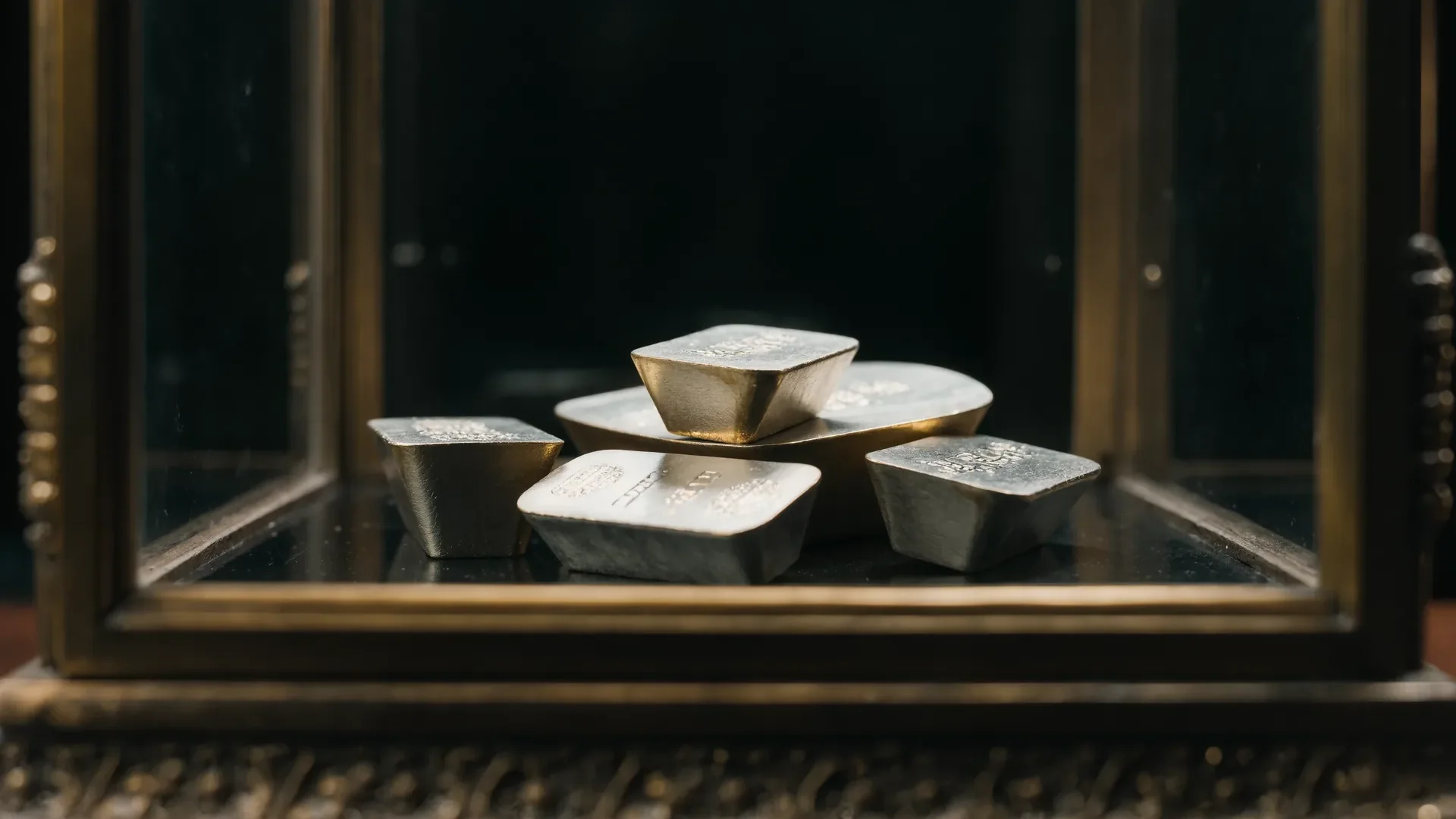
Price movements respond to factors such as central bank policies, interest rates, dollar strength, and global economic data releases. The gold market encompasses distinct product categories, each with specific valuation criteria and market characteristics. Gold bullion and coins are primarily assessed based on weight, purity (measured in karats or fineness), and current spot prices.
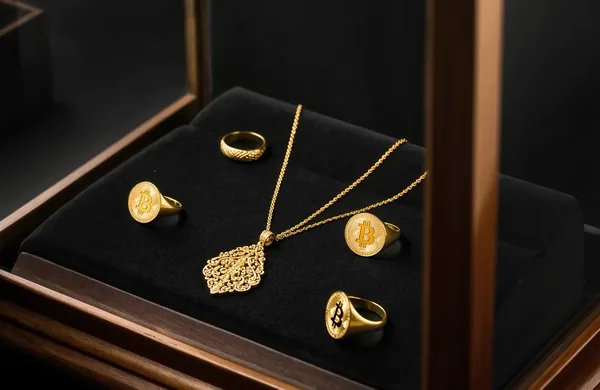
Numismatic coins may carry additional premiums based on rarity, condition, and collector demand. Gold jewelry valuation considers metal content, craftsmanship quality, brand recognition, and resale market conditions. Scrap gold is typically valued solely on metal content after accounting for refining costs.
Market timing affects returns significantly, as gold prices experience daily fluctuations based on trading activity across global exchanges. Sellers benefit from monitoring price trends, seasonal patterns, and economic calendar events that historically impact gold valuations.
Evaluating Your Gold
Before selling your gold, it’s essential to evaluate its quality and type. Gold is measured in karats, with 24 karats being pure gold. Jewelry often contains lower karat gold mixed with other metals for durability.
Knowing the karat of your gold can help you determine its intrinsic value. A simple test can be conducted at home using a magnet; if your gold is attracted to the magnet, it likely contains other metals and may not be genuine gold. In addition to karat weight, consider the condition of your gold items.
Scratches, dents, or missing stones can affect their resale value. If you have gold coins or bullion, check for any numismatic value that may increase their worth beyond just the gold content. Collectible coins can fetch higher prices due to rarity or historical significance.
Taking the time to evaluate your gold thoroughly will ensure you have a clear understanding of what you are selling.
Finding the Right Buyer
Finding the right buyer is crucial for a successful sale. Not all buyers offer the same prices or terms, so it’s essential to do your research. Start by exploring local jewelers, pawn shops, and gold buyers.
Each option has its pros and cons; local jewelers may offer personalized service but might not pay as much as specialized gold buyers who focus solely on precious metals. Online platforms have also become popular for selling gold. Websites that specialize in buying gold can provide competitive offers and convenience.
However, ensure that you choose reputable platforms with positive reviews and transparent processes.
Look for buyers who offer free shipping for sending your gold and provide insurance during transit. This step will help protect your investment while ensuring you receive a fair price.
Knowing the Value of Your Gold
Understanding the value of your gold is essential before entering negotiations with potential buyers. The value is determined by several factors, including current market prices, purity, weight, and form (jewelry, coins, or bullion). Researching current gold prices can give you a baseline for what to expect when selling.
Consider using online calculators or consulting with professionals to get an accurate estimate of your gold's worth. Many jewelers and gold buyers offer free appraisals that can provide insight into your items' value. Additionally, familiarize yourself with the spot price of gold, which fluctuates daily based on market conditions.
This knowledge will empower you during negotiations and help you avoid lowball offers.
Selling Gold Jewelry
Selling gold jewelry can be a rewarding experience if approached correctly. Start by cleaning your jewelry to enhance its appearance; this can make a significant difference in how potential buyers perceive its value. Take high-quality photos if you plan to sell online, as visuals play a crucial role in attracting buyers.
When selling jewelry, consider whether it has any additional value due to design or brand. Designer pieces or vintage items may command higher prices than their weight in gold alone would suggest. Be prepared to provide documentation or certificates of authenticity if available, as these can enhance buyer confidence and justify a higher asking price.
Selling Gold Coins
Gold coins are a popular choice for collectors and investors alike. When selling gold coins, it’s essential to understand their specific market dynamics. Coins are often valued not only for their gold content but also for their rarity and condition.
Research the specific coins you own to determine their market demand and potential value. If you have collectible coins, consider reaching out to coin dealers or attending coin shows where enthusiasts gather. These venues can provide opportunities to connect with serious buyers who appreciate the unique aspects of your coins.
Additionally, online marketplaces dedicated to numismatics can help you reach a broader audience willing to pay a premium for rare pieces.
Selling Gold Bullion
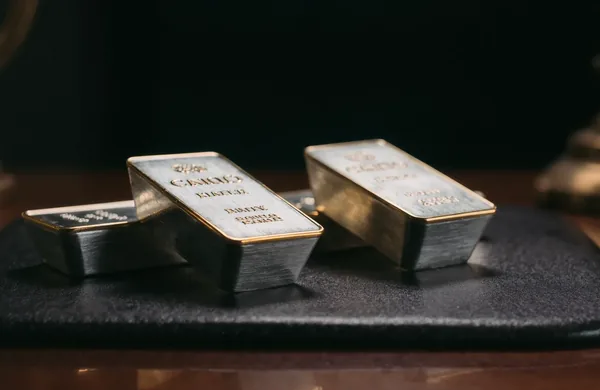
Gold bullion is typically sold in bars or ingots and is valued primarily based on its weight and purity. When selling bullion, ensure that you have documentation proving its authenticity, such as certificates from reputable mints or assayers. This documentation can significantly enhance buyer trust and facilitate a smoother transaction.
Research current bullion prices before selling to ensure you receive a fair offer. Many dealers specialize in buying bullion and may offer competitive rates based on market conditions. Consider reaching out to multiple buyers to compare offers and negotiate the best price for your investment.
Selling Gold Scrap
Selling gold scrap can be an excellent way to turn unwanted items into cash. Scrap gold includes broken jewelry, mismatched earrings, or any other gold items that may no longer be usable in their current form. Before selling scrap gold, sort through your items and separate them by karat weight to maximize your returns.
When selling scrap gold, it’s essential to find a buyer who specializes in this type of transaction. Many jewelers and gold buyers will purchase scrap gold based on its weight and purity. Be prepared for lower offers compared to selling intact jewelry or coins since scrap is valued primarily for its material content rather than craftsmanship.
Negotiating the Best Price
Negotiating the best price when selling gold requires preparation and confidence. Start by knowing the current market value of your items and having a clear understanding of their worth based on evaluations you've conducted.
This knowledge will empower you during discussions with potential buyers.
When negotiating, be polite but firm about your expectations. If a buyer offers less than what you believe is fair, don’t hesitate to counteroffer or walk away if necessary. Building rapport with buyers can also work in your favor; establishing trust may lead them to offer better terms or prices.
Maximizing Your Profit
To maximize your profit when selling gold, consider timing your sale based on market conditions. Selling during periods of high demand or when prices are peaking can significantly increase your returns. Additionally, explore multiple selling avenues—local buyers may offer different prices than online platforms.
Another strategy is to bundle items together when selling; offering multiple pieces at once can attract buyers looking for deals while increasing your overall sale price. Lastly, always keep an eye on transaction fees associated with different selling methods; minimizing these costs can help ensure more of your profit stays in your pocket.
Ensuring a Smooth Transaction
Ensuring a smooth transaction when selling gold involves careful planning and attention to detail. Start by choosing a reputable buyer with positive reviews and transparent practices. Verify their credentials and ensure they have a clear process for evaluating and purchasing gold.
When finalizing the sale, ensure all terms are clearly outlined in writing, including payment methods and timelines. If selling online, use secure shipping methods with tracking and insurance to protect your items during transit. Following these steps will help create a seamless experience that leaves both you and the buyer satisfied with the transaction.
In conclusion, selling gold can be a profitable venture if approached with knowledge and strategy. By understanding the market, evaluating your items accurately, finding the right buyers, and negotiating effectively, you can maximize your returns while ensuring a smooth transaction process. Whether you're selling jewelry, coins, bullion, or scrap gold, being informed will empower you to make the best decisions for your financial future.
Questions
Straight answers on maximize your profit
What types of gold can I sell?
You can sell various types of gold including jewelry, coins, bullion, scrap gold, and gold watches. The value depends on the purity and weight of the gold.
How is the value of gold determined?
The value of gold is primarily determined by its weight and purity, measured in karats. The current market price of gold, known as the spot price, also influences the value.
Where can I sell my gold?
Gold can be sold at jewelry stores, pawn shops, gold buyers, online gold buyers, and coin dealers. Each option may offer different prices and levels of convenience.
Do I need to have my gold appraised before selling?
While not always required, having your gold appraised by a professional can help you understand its value and ensure you receive a fair price.
Is it better to sell gold online or in person?
Selling gold in person allows you to get immediate payment and negotiate prices, while online selling can offer convenience and access to a wider market. However, online sales may involve shipping risks and delays.
What documents do I need to sell gold?
Typically, you need a valid ID for identification purposes. Some buyers may require proof of ownership or purchase receipts, especially for high-value items.
How do I ensure I get a fair price for my gold?
Research the current gold market price, get multiple quotes from different buyers, and understand the purity and weight of your gold before selling.
Are there any taxes on selling gold?
Tax regulations vary by country and region. In some places, selling gold may be subject to capital gains tax or sales tax. It is advisable to consult a tax professional.
Can I sell broken or damaged gold items?
Yes, broken or damaged gold items can still be sold, usually as scrap gold. The value will be based on the gold content rather than the item's condition.
How quickly can I get paid after selling gold?
Payment times vary depending on the buyer. In-person sales often result in immediate payment, while online sales may take several days for shipping and processing.