Journal
Gold: The Ultimate Inflation Hedge
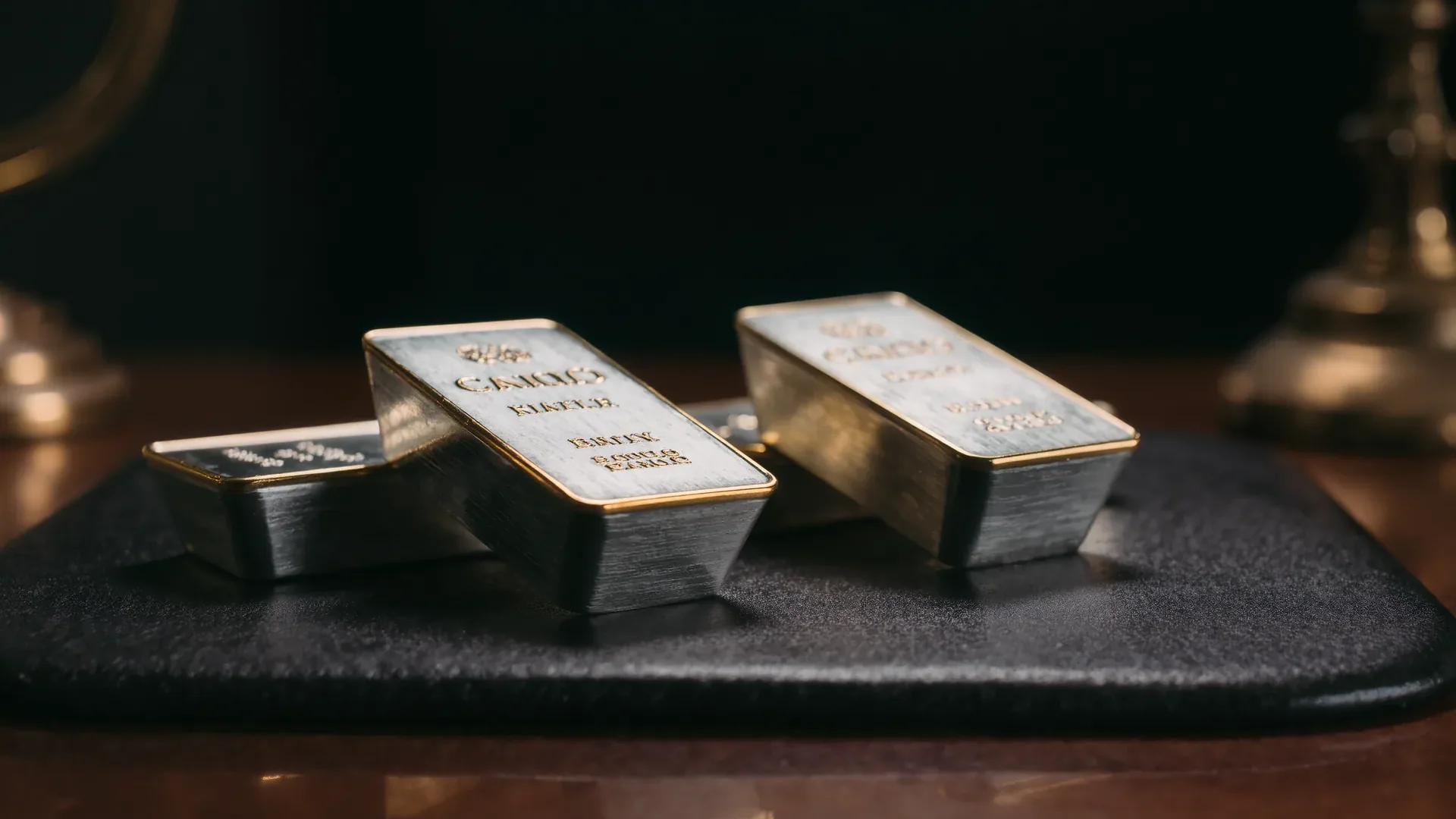
Gold is a precious metal that has captivated humanity for centuries. Renowned for its lustrous appearance and rarity, gold is not only a symbol of wealth but also a fundamental component in various industries, including electronics, medicine, and jewelry. Its unique properties, such as resistance to corrosion and excellent conductivity, make it highly sought after.
Gold is often measured in troy ounces and traded on global markets, where its value fluctuates based on supply and demand dynamics. Beyond its industrial applications, gold holds significant cultural and historical importance. It has been used as currency, a store of value, and a medium for trade throughout history.
From ancient civilizations to modern economies, gold has maintained its status as a reliable asset. This enduring appeal makes gold a popular choice for investors looking to safeguard their wealth against economic uncertainties.
The History of Gold as an Inflation Hedge
Gold's role as an inflation hedge dates back thousands of years. Ancient civilizations recognized gold's intrinsic value, using it to facilitate trade and store wealth. During times of economic instability or inflation, people turned to gold as a safe haven.
For instance, during the Roman Empire, gold coins were widely circulated, providing a stable medium of exchange that retained value even in turbulent times. In the 20th century, the gold standard was established, linking currency values to gold reserves. This system provided a sense of security and stability in financial markets.
However, the abandonment of the gold standard in the 1970s led to increased volatility in fiat currencies. As inflation rates soared, investors began to flock to gold once again, recognizing its ability to preserve purchasing power during economic downturns.
How Does Gold Protect Against Inflation?
Gold protects against inflation primarily due to its finite supply and intrinsic value. Unlike fiat currencies, which can be printed at will by governments, gold is a tangible asset with limited availability. As inflation rises and the purchasing power of money declines, the demand for gold typically increases, driving up its price.
This inverse relationship between gold and inflation makes it an attractive option for investors seeking to hedge against rising costs. Additionally, gold has historically maintained its value over time. While paper currencies can lose their worth due to economic mismanagement or hyperinflation, gold has proven resilient.
For example, during periods of high inflation in the 1970s, gold prices surged dramatically, providing investors with substantial returns. This historical performance reinforces the notion that gold can serve as a reliable safeguard against inflationary pressures.
The Role of Gold in a Diversified Portfolio
Incorporating gold into a diversified investment portfolio can enhance overall stability and reduce risk. Gold often exhibits a low correlation with traditional asset classes such as stocks and bonds. This means that when equity markets experience volatility or downturns, gold prices may remain stable or even increase.
As a result, adding gold to a portfolio can act as a buffer against market fluctuations. Moreover, gold serves as a hedge against currency risk. In times of economic uncertainty or geopolitical tensions, investors may seek refuge in gold rather than holding cash or other assets that may depreciate in value.
By diversifying with gold, investors can achieve greater peace of mind knowing that their wealth is protected from various market forces.
While there are several options available for hedging against inflation, gold stands out for its unique characteristics.
Real estate, commodities, and Treasury Inflation-Protected Securities (TIPS) are common alternatives; however, each comes with its own set of risks and limitations.
Real estate requires significant capital investment and can be illiquid, while commodities may be subject to price volatility.
TIPS offer some protection against inflation but are tied to government bonds, which may not provide the same level of security as physical assets like gold. Additionally, gold does not generate income like dividends or rental income from real estate investments. However, its historical performance during inflationary periods makes it a compelling choice for those looking to preserve wealth.
Investing in Gold: Options and Considerations
Investing in gold can take various forms, each with its own advantages and considerations. Physical gold, such as coins and bars, allows investors to hold tangible assets but requires secure storage and insurance. Gold ETFs (Exchange-Traded Funds) offer a more liquid option for investors who prefer not to manage physical assets while still gaining exposure to gold prices.
Another option is investing in gold mining stocks or mutual funds that focus on companies involved in gold production. These investments can provide leveraged exposure to gold prices but come with additional risks related to operational performance and market conditions. Regardless of the chosen method, it's essential for investors to conduct thorough research and consider their risk tolerance before committing capital.
Risks and Drawbacks of Investing in Gold
While investing in gold offers numerous benefits, it is not without risks and drawbacks. One significant concern is price volatility; while gold has historically performed well during inflationary periods, its price can fluctuate dramatically based on market sentiment and geopolitical events. Investors must be prepared for potential short-term losses.
Additionally, physical gold requires secure storage solutions to prevent theft or loss. This can incur additional costs for insurance and storage fees. Furthermore, unlike stocks or bonds, gold does not generate income or dividends, which may deter some investors seeking cash flow from their investments.
Understanding these risks is crucial for making informed decisions about including gold in an investment strategy.
The Future of Gold as an Inflation Hedge
The future of gold as an inflation hedge remains promising amid ongoing economic uncertainties. Central banks around the world continue to accumulate gold reserves as a means of diversifying their assets and safeguarding against currency fluctuations. This trend suggests that demand for gold will likely remain strong in the coming years.
Moreover, as global economies grapple with rising debt levels and potential inflationary pressures from stimulus measures, investors may increasingly turn to gold as a safe haven asset. The growing awareness of the importance of diversifying portfolios with tangible assets further solidifies gold's position as a reliable inflation hedge.
Gold and the Current Economic Climate
In today's economic climate marked by unprecedented monetary policies and rising inflation concerns, gold's appeal is more relevant than ever. Central banks have implemented aggressive stimulus measures that have led to increased money supply and potential devaluation of fiat currencies. As consumers face rising prices for goods and services, many are seeking refuge in gold.
Additionally, geopolitical tensions and uncertainties surrounding global trade further contribute to the demand for safe-haven assets like gold. Investors are increasingly recognizing that holding physical assets can provide protection against economic instability and currency fluctuations.
Tips for Investing in Gold as an Inflation Hedge
When considering investing in gold as an inflation hedge, it's essential to approach it strategically. Here are some tips: 1. **Diversify Your Holdings**: Consider incorporating different forms of gold investments—physical bullion, ETFs, and mining stocks—to spread risk.
2.
**Stay Informed**: Keep abreast of market trends and economic indicators that may impact gold prices.
3. **Assess Your Risk Tolerance**: Understand your investment goals and how much risk you are willing to take on when investing in gold.
4. **Secure Storage**: If investing in physical gold, ensure you have a safe storage solution in place.
5.
**Consult Professionals**: Seek advice from financial advisors who specialize in precious metals to tailor your investment strategy.
The Timeless Appeal of Gold
Gold has stood the test of time as a reliable store of value and an effective hedge against inflation. Its unique properties and historical significance make it an attractive option for investors seeking stability amid economic uncertainties. While there are risks associated with investing in gold, its ability to preserve wealth during turbulent times cannot be overlooked.
As we navigate an ever-changing economic landscape, the timeless appeal of gold continues to shine brightly. By understanding its role in a diversified portfolio and making informed investment decisions, individuals can harness the power of this precious metal to safeguard their financial future against inflationary pressures.
Questions
Straight answers on gold
What does it mean that gold is an inflation hedge?
Gold as an inflation hedge means that it tends to maintain or increase its value during periods of rising inflation, protecting investors' purchasing power when the value of currency declines.
Why is gold considered a good hedge against inflation?
Gold is considered a good hedge against inflation because it is a tangible asset with intrinsic value, limited supply, and is not directly tied to any currency, making it less susceptible to inflationary pressures that reduce the value of paper money.
How does inflation affect the price of gold?
Inflation often leads to higher gold prices because investors seek to preserve wealth by moving funds into assets like gold that are expected to retain value, causing increased demand and price appreciation.
Is gold always a reliable inflation hedge?
While gold has historically been a strong inflation hedge over the long term, its short-term performance can be volatile and influenced by other factors such as interest rates, currency strength, and geopolitical events.
How can investors include gold in their portfolio as an inflation hedge?
Investors can include gold in their portfolio through physical gold (coins, bars), gold exchange-traded funds (ETFs), gold mining stocks, or gold mutual funds to diversify and protect against inflation risks.
Does gold perform better than other assets during inflation?
Gold often outperforms cash and fixed-income assets during inflationary periods, but its performance relative to other assets like real estate or commodities can vary depending on economic conditions.
What historical evidence supports gold as an inflation hedge?
Historical data shows that during periods of high inflation, such as the 1970s, gold prices increased significantly, demonstrating its ability to preserve value when currency purchasing power declined.
Are there risks associated with investing in gold as an inflation hedge?
Yes, risks include price volatility, lack of income generation (no dividends or interest), storage and insurance costs for physical gold, and potential regulatory changes affecting gold markets.