Journal
The Lack of Trust in Wall Street by Precious Metals Investors
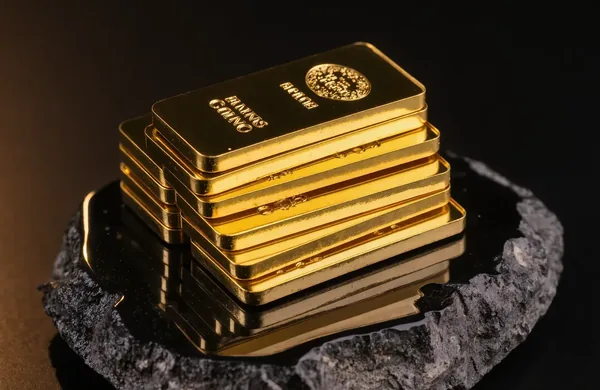
Wall Street has long been synonymous with the American financial system, serving as a hub for trading and investment since the late 18th century. Its origins can be traced back to the Buttonwood Agreement of 1792, where 24 stockbrokers gathered to formalize trading practices. Over the years, Wall Street evolved into a global financial powerhouse, attracting investors from all walks of life.
Precious metals, particularly gold and silver, have played a significant role in this evolution. Historically viewed as safe-haven assets, they have been sought after during times of economic uncertainty. The allure of precious metals investing can be linked to their intrinsic value and historical significance.
Gold, for instance, has been used as currency and a store of value for thousands of years. As Wall Street grew, so did the mechanisms for trading these metals, leading to the establishment of futures markets and ETFs that made investing in precious metals more accessible to the average investor. This evolution reflects a broader trend in financial markets where tangible assets are increasingly viewed as a hedge against inflation and economic instability.
The Role of Trust in Financial Markets
Trust is the cornerstone of any financial market, including Wall Street. Investors must have confidence in the integrity of the market and the institutions that operate within it. When trust is present, investors are more likely to engage in transactions, invest their capital, and participate in market activities.
This trust is built on transparency, accountability, and a history of fair dealings.
Without it, markets can become volatile and unpredictable, leading to significant financial losses for investors. In the context of precious metals investing, trust becomes even more critical.
Investors often turn to these assets during times of crisis, seeking stability and security. If they perceive that Wall Street lacks integrity or is manipulated by unseen forces, their willingness to invest diminishes. This erosion of trust can lead to a vicious cycle where decreased investment leads to further instability in the market, ultimately harming both individual investors and the broader economy.
Factors Contributing to the Lack of Trust in Wall Street
Several factors contribute to the growing distrust in Wall Street among investors. One significant issue is the perception of corruption and unethical behavior among financial institutions. High-profile scandals, such as the 2008 financial crisis, revealed systemic failures and questionable practices that eroded public confidence.
Many investors feel that large banks and investment firms prioritize profits over ethical considerations, leading to a sense of betrayal. Additionally, the complexity of financial products can create confusion and skepticism among investors. Many individuals find it challenging to navigate the intricacies of derivatives, options, and other sophisticated instruments.
This lack of understanding can breed mistrust, as investors may feel they are being manipulated or taken advantage of by those who possess greater knowledge of the market. The combination of perceived corruption and complexity creates an environment where trust is difficult to establish.
The Appeal of Precious Metals as an Alternative Investment
In light of the challenges facing Wall Street, many investors are turning to precious metals as an alternative investment strategy. Precious metals like gold and silver offer tangible assets that are not subject to the same risks as traditional stocks and bonds. Their intrinsic value provides a sense of security that is particularly appealing during economic downturns or periods of high inflation.
Moreover, precious metals have historically maintained their value over time, making them an attractive option for long-term investors. Unlike fiat currencies that can be devalued by government policies or economic crises, gold and silver have proven resilient throughout history. This reliability fosters a sense of trust among investors who seek stability in an unpredictable financial landscape.
The Impact of Market Manipulation on Precious Metals Investors' Trust
Market manipulation is a significant concern for precious metals investors, further eroding trust in Wall Street. Instances of price suppression and artificial inflation have been documented in various markets, leading many to question the integrity of trading practices. When investors believe that prices are being manipulated by powerful entities, their confidence in the market diminishes.
The consequences of such manipulation can be severe. Investors may experience significant losses when they enter or exit positions based on distorted market signals. This creates a cycle of distrust where individuals become hesitant to invest in precious metals altogether.
As a result, the market may suffer from reduced liquidity and increased volatility, making it even more challenging for honest investors to navigate.
Regulatory Failures and Their Effect on Investor Confidence
Regulatory failures have also played a crucial role in undermining investor confidence in Wall Street. Inadequate oversight and enforcement can allow unethical practices to flourish unchecked. For instance, regulatory bodies may lack the resources or authority to effectively monitor trading activities or enforce compliance with established rules.
When investors perceive that regulatory agencies are failing to protect their interests, they may become disillusioned with the entire financial system. This sentiment is particularly pronounced among precious metals investors who rely on fair market practices to ensure their investments are secure. A lack of robust regulation can lead to increased skepticism about the motivations of financial institutions and their commitment to ethical conduct.
The Role of Media and Public Perception in Shaping Trust
Media coverage plays a pivotal role in shaping public perception of Wall Street and its institutions. Sensationalized reporting on financial scandals can amplify distrust among investors, leading them to question the integrity of the entire system. Conversely, positive coverage highlighting successful investments or ethical practices can help rebuild trust.
The media's portrayal of precious metals investing also influences investor behavior. When stories emphasize the stability and reliability of gold and silver during economic turmoil, they can attract new investors seeking refuge from market volatility. However, negative narratives surrounding manipulation or fraud can deter potential investors from entering the market altogether.
The Importance of Transparency and Accountability in Financial Institutions
Transparency and accountability are essential components for rebuilding trust in Wall Street among precious metals investors. Financial institutions must prioritize clear communication regarding their practices, fees, and potential risks associated with investments. By providing accessible information, they can empower investors to make informed decisions.
Moreover, accountability measures should be implemented to ensure that institutions adhere to ethical standards. This includes regular audits, compliance checks, and consequences for unethical behavior. When investors see that institutions are held accountable for their actions, it fosters a sense of trust and confidence in the market.
Strategies for Rebuilding Trust in Wall Street Among Precious Metals Investors
Rebuilding trust in Wall Street requires a multifaceted approach that addresses the concerns of precious metals investors directly. One effective strategy is enhancing education and resources available to investors. By providing comprehensive guides on precious metals investing, institutions can empower individuals with knowledge that fosters confidence.
Additionally, promoting ethical practices within financial institutions is crucial.
Establishing industry-wide standards for transparency and accountability can help restore faith among investors.
Collaborative efforts between regulatory bodies and financial institutions can also lead to improved oversight and enforcement.
The Future of Precious Metals Investing in a Climate of Distrust
The future of precious metals investing will likely be shaped by ongoing concerns about trust in Wall Street. As more investors seek alternatives to traditional markets, precious metals may continue to gain popularity as safe-haven assets. However, this trend will depend on how effectively institutions address issues related to transparency and accountability.
Innovative technologies such as blockchain could play a role in enhancing trust within the precious metals market by providing verifiable records of transactions and ownership. As these technologies evolve, they may offer new opportunities for investors seeking security in their investments.
The Potential Implications of a Lack of Trust in Wall Street for the Global Economy
A lack of trust in Wall Street could have far-reaching implications for the global economy. If investors withdraw from traditional markets due to distrust, it could lead to decreased liquidity and increased volatility across various asset classes. This instability may hinder economic growth and innovation as capital becomes scarcer.
Furthermore, if precious metals become the preferred investment choice due to distrust in traditional markets, it could drive up demand and prices significantly. While this may benefit current holders of precious metals, it could also create imbalances within the broader economy as resources shift away from other sectors. In conclusion, addressing the issues surrounding trust in Wall Street is essential for fostering a healthy investment environment for precious metals investors.
By prioritizing transparency, accountability, and ethical practices, financial institutions can work towards rebuilding confidence among investors while ensuring a stable future for both traditional markets and alternative investments like precious metals.
Questions
Straight answers on the lack of trust in wall street by precious metals investors
Why do some precious metals investors distrust Wall Street?
Many precious metals investors distrust Wall Street due to concerns about market manipulation, lack of transparency, and conflicts of interest within large financial institutions. They often believe that Wall Street prioritizes profits over fair market practices, which can negatively impact the prices and availability of precious metals.
What role does market manipulation play in the distrust of Wall Street by precious metals investors?
Market manipulation, such as spoofing or price suppression, has been alleged in precious metals markets. Some investors feel that these practices, sometimes linked to major financial players on Wall Street, distort true market values and undermine confidence in the fairness of precious metals trading.
How does transparency affect precious metals investors' trust in Wall Street?
Transparency is crucial for investor confidence. Precious metals investors often criticize Wall Street for opaque trading practices and complex financial instruments that make it difficult to assess true market conditions, leading to skepticism about the integrity of precious metals markets.
Are there historical events that have contributed to the distrust of Wall Street among precious metals investors?
Yes, events such as the 2008 financial crisis, regulatory investigations into precious metals price manipulation, and high-profile scandals involving major banks have contributed to a lasting distrust among some precious metals investors toward Wall Street institutions.
Do precious metals investors prefer alternative investment methods over Wall Street platforms?
Many precious metals investors prefer to buy physical metals directly or use specialized dealers rather than relying solely on Wall Street-based financial products like ETFs or futures contracts. This preference stems from a desire for greater control, security, and avoidance of perceived conflicts of interest.
How do regulatory bodies address concerns about Wall Street's role in precious metals markets?
Regulatory agencies such as the Commodity Futures Trading Commission (CFTC) and the Securities and Exchange Commission (SEC) monitor trading activities and investigate allegations of manipulation or fraud in precious metals markets. They implement rules and enforcement actions to promote market integrity and protect investors.
Is distrust of Wall Street among precious metals investors universal?
No, distrust varies among investors. While some are highly skeptical of Wall Street's influence on precious metals markets, others actively participate in Wall Street-based investment vehicles and trust regulatory oversight. Individual perspectives depend on personal experiences, investment strategies, and risk tolerance.