Journal
The Silver Squeeze: Retail Investors Face Unobtainability
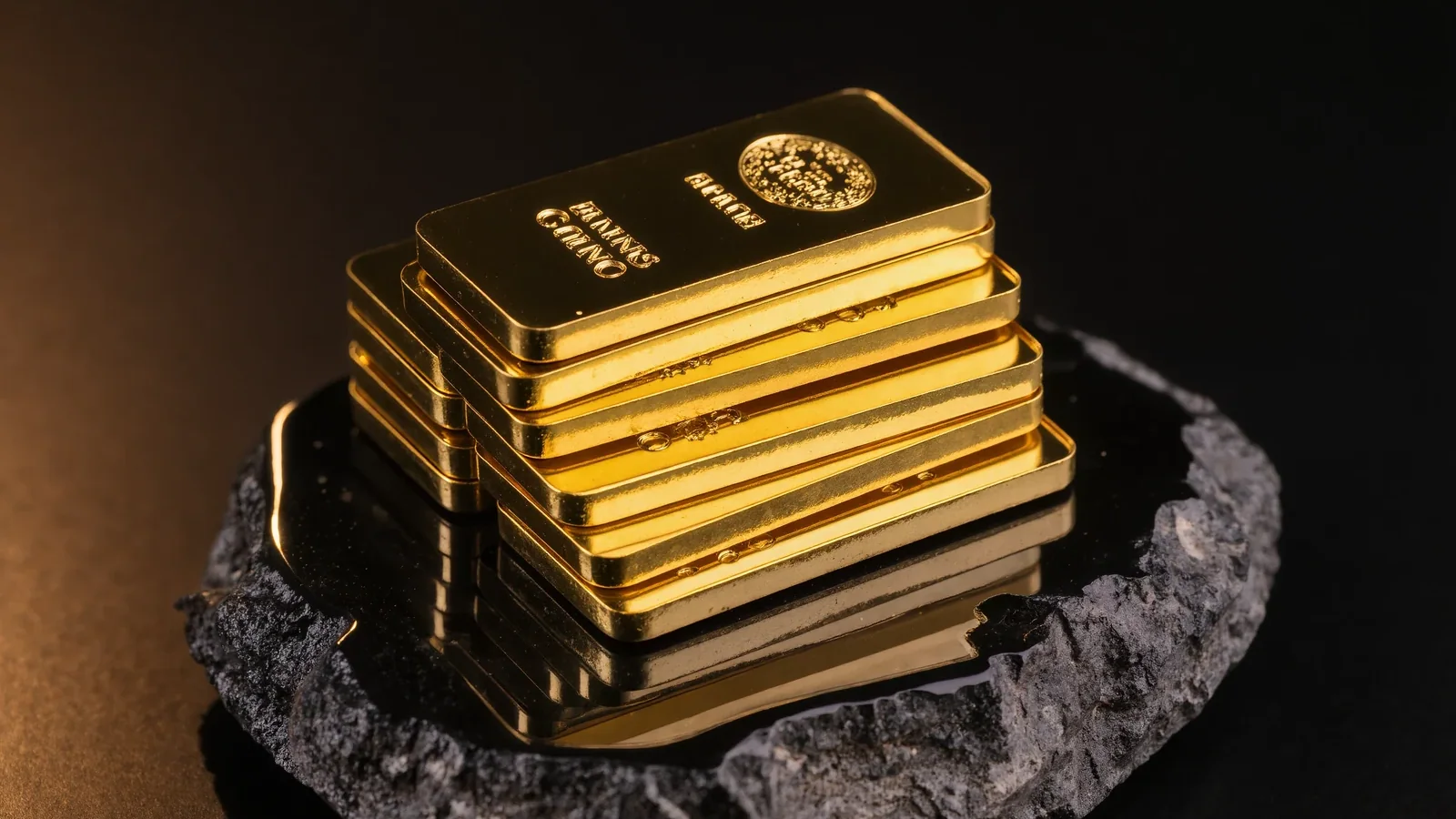
The term "Silver Squeeze" has emerged as a notable financial phenomenon in recent months, characterized by increased demand for physical silver among retail investors.
This movement has developed through coordinated efforts on social media platforms and community forums.
Many individual investors view silver as a potential safeguard against inflation and economic instability.
The Silver Squeeze represents both a market development and a collective action by retail investors challenging the perceived dominance of institutional players in precious metals markets. Retail investors participating in the Silver Squeeze aim to benefit from potential price appreciation while simultaneously engaging in what many consider a democratization of precious metals investing. As public awareness of silver investment opportunities grows, market dynamics continue to evolve.
This shift reflects changing patterns in how individuals approach commodity investments and interact with traditional financial systems.
Understanding the Silver Market and the Squeeze
To grasp the implications of the Silver Squeeze, it is essential to understand the silver market's structure. Silver is not only a precious metal but also an industrial commodity used in various applications, from electronics to solar panels. The dual nature of silver creates a unique market dynamic, where demand can fluctuate based on both investment interest and industrial needs.
The Silver Squeeze itself is characterized by a rapid increase in demand for physical silver, often outpacing supply. This imbalance can lead to higher prices and increased volatility in the market. Retail investors are particularly affected by this squeeze as they compete with institutional buyers for limited physical silver.
Understanding these market mechanics is crucial for anyone looking to invest in silver during this tumultuous period.
How Retail Investors Are Impacted by the Silver Squeeze
Retail investors are feeling the effects of the Silver Squeeze in several ways. First and foremost, the surge in demand has led to significant price increases. As more individuals seek to purchase physical silver, premiums on bullion products have risen sharply.
This means that retail investors may find themselves paying more than expected for silver coins or bars, which can impact their overall investment strategy. Additionally, the Silver Squeeze has created a sense of urgency among retail investors. Many feel compelled to act quickly to secure their investments before prices rise further or supplies dwindle.
This urgency can lead to impulsive buying decisions, which may not always align with sound investment principles. Understanding these psychological factors is essential for retail investors navigating this challenging environment.
The Role of Social Media in the Silver Squeeze
Social media has played a pivotal role in amplifying the Silver Squeeze movement. Platforms like Reddit, Twitter, and Facebook have become hubs for discussions about silver investing, allowing retail investors to share insights, strategies, and experiences. The viral nature of social media campaigns has helped raise awareness about the potential benefits of investing in silver and has mobilized a community of like-minded individuals.
Moreover, social media has facilitated real-time information sharing, enabling retail investors to stay updated on market trends and developments. This instant access to information can empower investors to make informed decisions. However, it also comes with risks, as misinformation can spread just as quickly.
Retail investors must exercise caution and verify information before acting on social media recommendations.
Why Silver Is Becoming Unobtainable for Retail Investors
As demand for silver continues to rise, many retail investors are finding it increasingly difficult to obtain physical silver. Several factors contribute to this scarcity. First, the surge in demand has led to supply chain disruptions, making it challenging for dealers to keep up with orders.
Additionally, many mints and refineries have reported delays in production due to increased demand and pandemic-related restrictions. The result is that retail investors often face long wait times or limited availability when trying to purchase silver products. This scarcity can lead to inflated prices and higher premiums, further complicating the investment landscape for individuals looking to enter the market.
Understanding these challenges is crucial for retail investors seeking to navigate the current environment effectively.
Strategies for Retail Investors to Navigate the Silver Squeeze
In light of the challenges posed by the Silver Squeeze, retail investors must adopt strategic approaches to navigate this evolving market. One effective strategy is diversification. Instead of concentrating solely on physical silver, investors may consider diversifying their portfolios with silver-related stocks or exchange-traded funds (ETFs).
This approach allows them to gain exposure to silver without being directly impacted by supply shortages. Another strategy is to stay informed about market trends and developments. By following reputable financial news sources and engaging with knowledgeable communities, retail investors can make more informed decisions about when and how to invest in silver.
Additionally, setting clear investment goals and sticking to a well-defined plan can help mitigate impulsive buying behavior driven by market hype.
The Impact of the Silver Squeeze on the Precious Metals Market
The Silver Squeeze has broader implications for the entire precious metals market. As retail investors flock to silver, other precious metals like gold may also experience increased interest as investors seek safe-haven assets amid economic uncertainty. This shift in demand can lead to price fluctuations across various precious metals, impacting both retail and institutional investors.
Moreover, the heightened interest in silver may prompt institutional investors to reassess their strategies regarding precious metals allocation. As more individuals invest in silver, institutions may feel compelled to increase their holdings or explore new investment vehicles related to silver. This dynamic could reshape the landscape of precious metals investing in the long term.
The Potential Long-Term Effects of the Silver Squeeze on Retail Investors
The long-term effects of the Silver Squeeze on retail investors remain uncertain but could be significant. If demand for silver continues to outpace supply, we may see sustained price increases that benefit those who invested early in the movement. However, this could also lead to increased volatility as prices fluctuate based on market sentiment and external factors.
Additionally, if retail investors successfully challenge traditional financial institutions' control over precious metals, we may witness a shift toward more democratized investment opportunities in the future. This could empower individual investors and create a more equitable playing field within the precious metals market.
How Institutional Investors Are Responding to the Silver Squeeze
Institutional investors are closely monitoring the Silver Squeeze and its implications for their portfolios. Many are reassessing their strategies regarding precious metals allocation as they recognize the growing interest from retail investors. Some institutions may choose to increase their holdings in silver or explore new investment vehicles that cater to this emerging trend.
Furthermore, institutional investors may also engage in discussions about regulatory measures and market dynamics that could impact their investments in silver. As retail investors continue to drive demand, institutions will need to adapt their strategies to remain competitive in this evolving landscape.
Regulatory Measures and Government Intervention in the Silver Market
As the Silver Squeeze gains momentum, regulatory measures and government intervention may become more prominent topics of discussion within the silver market. Authorities may seek to address concerns related to price manipulation or supply shortages that could impact both retail and institutional investors. Potential regulatory measures could include increased transparency requirements for dealers or limits on speculative trading practices that exacerbate price volatility.
While such interventions aim to protect investors, they could also introduce new complexities into the market that retail investors must navigate.
Expert Insights and Recommendations for Retail Investors Facing the Silver Squeeze
Experts recommend that retail investors approach the Silver Squeeze with caution and a well-informed strategy.
Staying updated on market trends and understanding the underlying factors driving demand can help individuals make informed decisions about their investments.
Additionally, experts suggest diversifying portfolios beyond physical silver to mitigate risks associated with supply shortages and price volatility.
Engaging with reputable financial advisors or communities can provide valuable insights and support as retail investors navigate this challenging environment. In conclusion, while the Silver Squeeze presents unique opportunities for retail investors, it also comes with challenges that require careful consideration and strategic planning. By staying informed and adopting prudent investment strategies, individuals can position themselves for success in this evolving market landscape.
Questions
Straight answers on the silver squeeze
Why is silver becoming difficult for retail investors to obtain?
Silver is becoming difficult for retail investors to obtain due to increased demand, supply chain disruptions, and hoarding by large investors and institutions. These factors have led to shortages in physical silver available for purchase in the retail market.
What factors are driving the increased demand for silver?
Increased demand for silver is driven by its use in industrial applications such as electronics and solar panels, investment demand as a safe-haven asset, and growing interest from both retail and institutional investors amid economic uncertainty.
How do supply chain issues affect silver availability?
Supply chain issues, including mining disruptions, transportation delays, and limited refining capacity, reduce the amount of physical silver reaching the market. This constrains supply and makes it harder for retail investors to buy silver at reasonable prices.
Can retail investors still buy silver through other means?
Yes, retail investors can still access silver through exchange-traded funds (ETFs), silver futures contracts, and silver mining stocks. However, these alternatives do not provide ownership of physical silver, which some investors prefer.
What impact does hoarding have on silver availability?
Hoarding by large investors and institutions removes significant quantities of physical silver from circulation, reducing the supply available to retail buyers and driving up premiums on physical silver products.
Is the price of silver affected by its availability to retail investors?
Yes, limited availability of physical silver can lead to higher premiums and increased volatility in silver prices, impacting both retail and institutional investors.
What should retail investors consider before investing in silver now?
Retail investors should consider the current supply constraints, potential price volatility, and the difference between owning physical silver versus paper silver products. It is also important to evaluate storage, insurance, and liquidity factors when investing in physical silver.