Journal
Gold: The Ultimate Hedge Against Stupidity
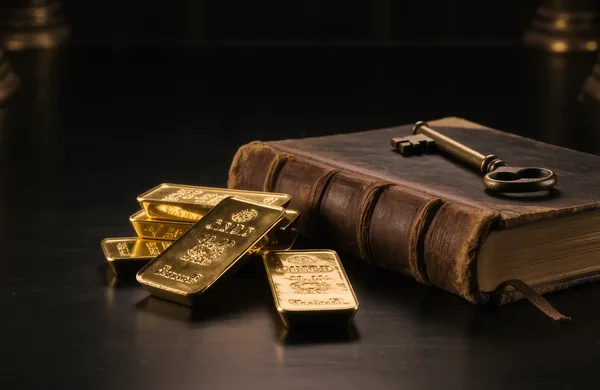
Gold has been revered for centuries, serving not only as a form of currency but also as a hedge against economic instability. Its history dates back to ancient civilizations, where it was used in trade and as a symbol of wealth. The Egyptians, for instance, adorned their tombs with gold artifacts, believing it would accompany them into the afterlife.
As societies evolved, so did the use of gold; it became a standard for currency, with coins minted from the precious metal. This historical context establishes gold's long-standing reputation as a reliable store of value. Throughout history, gold has consistently maintained its allure during times of economic turmoil.
The Great Depression of the 1930s saw a surge in gold prices as people sought refuge from the collapsing stock market. Similarly, during the 1970s inflation crisis, gold prices skyrocketed as investors turned to it as a safeguard against the eroding value of paper currency. This historical perspective underscores gold's enduring role as a hedge, providing a sense of security in uncertain times.
Gold's Role in Economic Uncertainty
In times of economic uncertainty, gold often shines as a beacon of stability. Investors typically flock to gold when they perceive risks in the stock market or when geopolitical tensions rise. This behavior is rooted in the belief that gold retains its value better than other assets during crises.
For instance, during the 2008 financial crisis, gold prices surged as investors sought safe-haven assets amidst plummeting stock values and bank failures. Moreover, gold's intrinsic value is not tied to any single economy or government policy, making it an attractive option during periods of instability. Unlike fiat currencies, which can be printed at will, gold is finite and cannot be devalued through excessive production.
This characteristic reinforces its status as a reliable hedge against economic downturns and currency fluctuations.
The Relationship Between Gold and Inflation
Inflation erodes purchasing power, making it essential for investors to seek assets that can preserve value over time. Gold has historically been viewed as an effective hedge against inflation. When inflation rises, the value of currency declines, but gold tends to maintain its purchasing power.
For example, during the 1970s, when inflation rates soared, gold prices increased significantly, providing investors with a safeguard against the diminishing value of their money. The relationship between gold and inflation is often illustrated through historical data. In periods of high inflation, such as the late 1970s and early 1980s, gold prices reached unprecedented levels.
This trend continues today; many investors turn to gold when inflation fears arise, believing it will protect their wealth from the adverse effects of rising prices.
Gold as a Safe Haven Investment
Gold is widely regarded as a safe haven investment due to its ability to retain value during turbulent times. Investors often turn to gold when they anticipate market volatility or economic downturns. This behavior is driven by the perception that gold is less susceptible to market fluctuations compared to stocks or bonds.
For instance, during the COVID-19 pandemic, gold prices surged as investors sought refuge from the uncertainty surrounding global markets. Additionally, gold's liquidity makes it an attractive option for those looking to safeguard their assets. Unlike real estate or other illiquid investments, gold can be easily bought and sold in various forms, including coins, bars, and ETFs.
This flexibility allows investors to quickly access their funds in times of need while still benefiting from the asset's long-term appreciation potential.
The Psychological Appeal of Gold
The psychological appeal of gold cannot be understated. For many investors, gold represents wealth and security. Its historical significance and cultural associations contribute to its allure; people have valued gold for thousands of years, making it a symbol of prosperity across various societies.
This deep-rooted connection influences investor behavior, often leading them to choose gold over other assets during uncertain times. Moreover, the tangible nature of gold adds to its psychological appeal. Unlike digital currencies or stocks that exist only on paper, gold is a physical asset that can be held and stored.
This tangibility provides a sense of security for investors who may feel uneasy about more abstract forms of wealth. As a result, many individuals view gold not just as an investment but as a safeguard for their financial future.
Gold's Performance During Market Crashes
Gold has consistently demonstrated resilience during market crashes, making it an attractive option for risk-averse investors. Historical data shows that during significant market downturns, such as the 2008 financial crisis or the dot-com bubble burst in 2000, gold prices often increased while stock markets plummeted. This inverse relationship highlights gold's role as a protective asset in times of financial distress.
For instance, during the 2008 crisis, while the S&P 500 lost nearly 37% of its value, gold prices soared by over 25%. This performance reinforces the notion that gold can act as a buffer against market volatility. Investors who allocated a portion of their portfolios to gold during these turbulent times were able to mitigate losses and preserve their wealth.
Gold's Role in Diversifying Investment Portfolios
Diversification is a fundamental principle of investing, aimed at reducing risk by spreading investments across various asset classes. Gold plays a crucial role in this strategy due to its low correlation with traditional equities and bonds. When stock markets are performing poorly, gold often performs well, providing a counterbalance that can stabilize an investment portfolio.
Incorporating gold into an investment portfolio can enhance overall returns while minimizing risk.
Studies have shown that portfolios containing gold tend to exhibit lower volatility compared to those without it. By allocating a portion of their investments to gold, investors can achieve greater stability and potentially higher long-term returns.
The Impact of Geopolitical Tensions on Gold Prices
Geopolitical tensions have a significant impact on gold prices, often driving them higher as investors seek safe-haven assets. Events such as wars, political unrest, or trade disputes can create uncertainty in global markets, prompting individuals to turn to gold for protection. For example, during conflicts in the Middle East or tensions between major world powers, gold prices typically rise as demand increases.
This relationship between geopolitical events and gold prices underscores the metal's status as a barometer for global stability. Investors closely monitor geopolitical developments, knowing that escalating tensions can lead to increased demand for gold and subsequent price surges.
Gold's Role in Currency Devaluation
Currency devaluation poses a significant risk to investors seeking to preserve their wealth. When a currency loses value due to inflation or economic mismanagement, assets denominated in that currency also decline in value. Gold serves as a hedge against currency devaluation because it is priced in U.S.
dollars and tends to retain its value even when fiat currencies falter. Historically, periods of currency devaluation have coincided with rising gold prices.
For instance, during the hyperinflation experienced in Zimbabwe in the late 2000s, many citizens turned to gold as a means of preserving their wealth amidst rampant currency devaluation.
This trend highlights how gold can act as a safeguard against the risks associated with fiat currencies.
The Future of Gold as a Hedge
The future of gold as a hedge remains promising amid ongoing economic uncertainties and geopolitical tensions. As central banks continue to implement loose monetary policies and governments grapple with rising debt levels, many analysts predict that demand for gold will remain strong. Additionally, increasing awareness of inflation risks may drive more investors toward gold as they seek protection for their wealth.
Furthermore, technological advancements in mining and trading may enhance accessibility and liquidity in the gold market. As more individuals recognize the benefits of including gold in their investment strategies, its role as a hedge against economic instability is likely to solidify further.
Tips for Investing in Gold
Investing in gold requires careful consideration and strategy. Here are some tips for those looking to add this precious metal to their portfolios: 1. **Understand Your Goals**: Determine whether you want to invest for short-term gains or long-term wealth preservation. 2.
**Choose Your Form**: Decide whether you prefer physical gold (coins or bars) or paper assets (ETFs or mining stocks). 3. **Diversify**: Don’t put all your money into gold; consider it part of a broader investment strategy. 4. **Stay Informed**: Keep up with market trends and geopolitical developments that may impact gold prices. 5.
**Consult Professionals**: Seek advice from financial advisors who specialize in precious metals. By following these tips and understanding the dynamics of the gold market, investors can make informed decisions that align with their financial goals while leveraging the benefits that gold offers as a hedge against uncertainty and inflation.
Questions
Straight answers on gold
What does it mean to say gold is a hedge against stupidity?
Gold is often considered a hedge against poor decision-making or economic mismanagement because it retains intrinsic value regardless of currency fluctuations or financial crises. It acts as a safeguard when other assets may lose value due to irrational market behavior or policy errors.
Why is gold considered a safe investment?
Gold is viewed as a safe investment because it is a tangible asset with a limited supply, not directly tied to any government or currency. It tends to maintain its value over time, especially during periods of inflation, currency devaluation, or geopolitical instability.
How does gold protect against inflation?
Gold typically rises in value when inflation increases because it is priced in fiat currencies that lose purchasing power during inflationary periods. As the value of paper money declines, gold’s relative value often increases, preserving wealth.
Can gold lose value like other investments?
Yes, gold can experience price fluctuations and may lose value in the short term due to market dynamics, changes in demand, or shifts in investor sentiment. However, over the long term, it has historically maintained purchasing power better than many other assets.
Is gold a good hedge during economic crises?
Gold is commonly used as a hedge during economic crises because it is not directly linked to any single economy or financial system. During times of uncertainty, investors often turn to gold to protect their wealth from market volatility and systemic risks.
How does gold compare to other hedging assets?
Compared to other hedging assets like stocks, bonds, or real estate, gold is unique because it is a physical commodity with intrinsic value. It does not generate income but provides diversification and protection against currency risk and economic instability.
What factors influence the price of gold?
Gold prices are influenced by factors such as global economic conditions, inflation rates, currency strength (especially the US dollar), geopolitical tensions, central bank policies, and investor demand for safe-haven assets.
Can gold be considered a hedge against stupidity in financial markets?
Yes, the phrase "hedge against stupidity" refers to gold’s ability to protect investors from the consequences of irrational financial decisions, poor policy choices, or unpredictable market behavior that can devalue other assets.