Journal
The Resilience of Gold: Trust and Performance
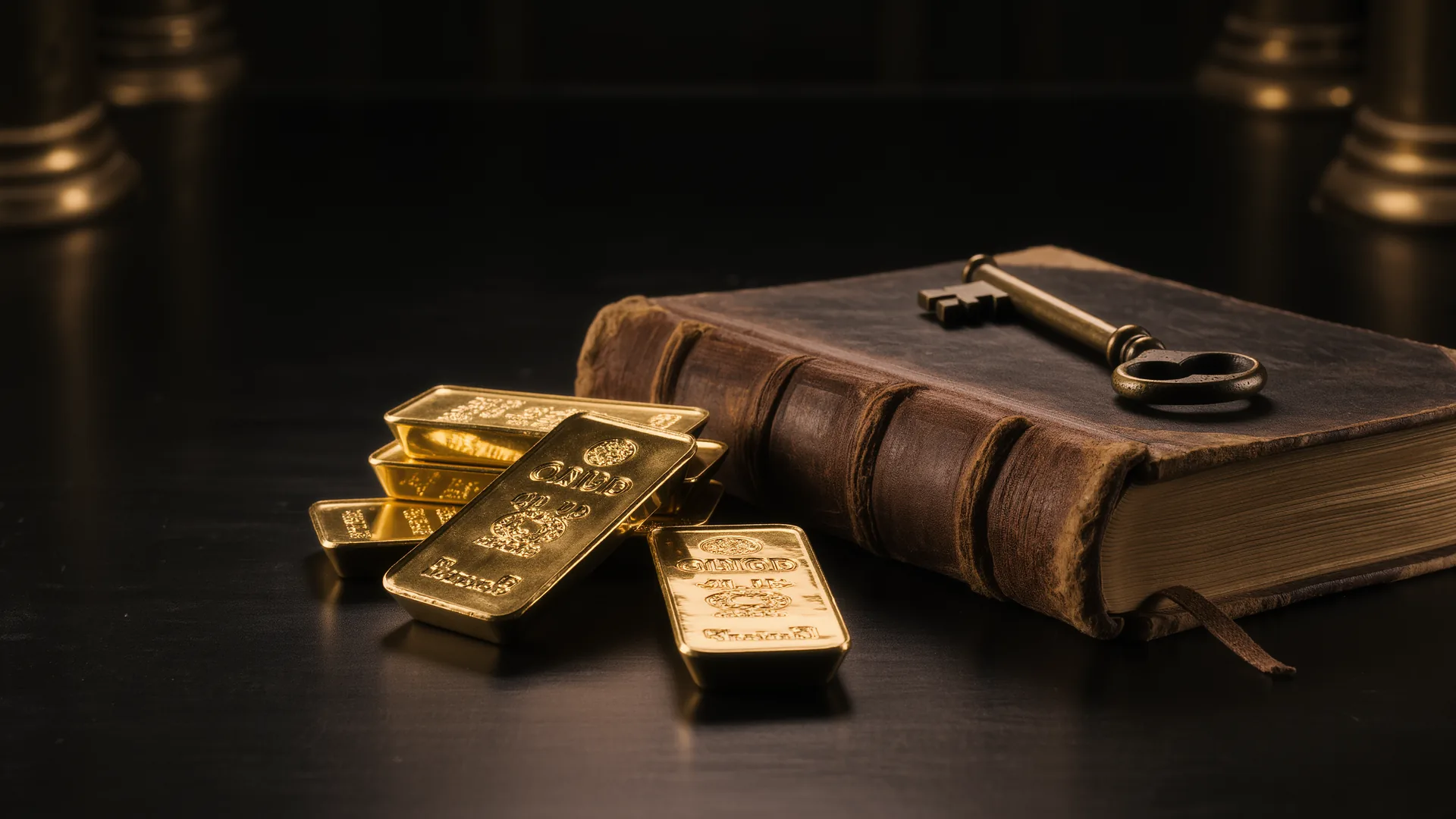
Gold has served as a medium of exchange and symbol of wealth for thousands of years across human civilizations. Archaeological evidence shows that ancient societies, including the Egyptians, incorporated gold into trade systems, jewelry production, and religious ceremonies. Egyptian burial sites and temples contain extensive gold artifacts, reflecting the metal's cultural and religious significance in ancient societies.
Gold's role in economic systems became formalized through the Gold Standard, a monetary system that linked currency values directly to gold reserves. This system was widely implemented during the 19th and early 20th centuries, providing a stable foundation for international trade and monetary policy. The Gold Standard remained in various forms until the 1970s, when most countries transitioned to fiat currency systems.
Despite the abandonment of the Gold Standard, gold continues to play a significant role in modern economics. Central banks worldwide maintain gold reserves as part of their monetary policy strategies, with total global central bank gold holdings exceeding 35,000 tonnes as of recent data. These reserves serve as hedges against currency fluctuations and economic uncertainty, demonstrating gold's continued relevance in contemporary financial systems.
The Role of Gold in the Modern Economy
In today's complex financial landscape, gold continues to play a pivotal role. It serves as a hedge against inflation and currency fluctuations, providing investors with a sense of security. As economies become increasingly interconnected, the demand for gold remains robust, driven by its intrinsic value and universal acceptance.
Central banks around the world actively manage their gold reserves, recognizing its importance in maintaining economic stability. Moreover, gold is not merely a relic of the past; it is actively traded on global markets. The rise of digital platforms has made investing in gold more accessible than ever.
Investors can now buy gold in various forms, including bullion, coins, and exchange-traded funds (ETFs). This versatility allows individuals to incorporate gold into their investment strategies easily, enhancing their portfolios with a tangible asset that has stood the test of time.
The Trustworthiness of Gold as an Investment
Gold's reputation as a trustworthy investment is well-deserved. Unlike stocks or bonds, which can be subject to market whims and corporate failures, gold has intrinsic value that is not tied to any single entity. This quality makes it a reliable store of wealth.
Investors often turn to gold during times of economic uncertainty, reinforcing its status as a safe haven asset. Additionally, gold's historical performance supports its trustworthiness. Over the long term, it has consistently outperformed many other asset classes during periods of inflation and market downturns.
This resilience fosters confidence among investors who seek stability in their portfolios. As a result, gold remains a preferred choice for those looking to safeguard their wealth against unpredictable economic conditions.
The Performance of Gold in Times of Economic Uncertainty
Gold has proven its mettle during times of economic uncertainty. Historical data shows that when stock markets falter or geopolitical tensions rise, gold prices often surge. For instance, during the 2008 financial crisis, gold reached record highs as investors fled to safety.
This trend underscores gold's role as a protective asset in turbulent times. Moreover, the COVID-19 pandemic further highlighted gold's resilience. As governments implemented stimulus measures and interest rates plummeted, investors sought refuge in gold, driving prices upward.
This behavior illustrates how gold acts as a counterbalance to economic instability, providing a sense of security when other investments may falter.
Gold as a Safe Haven Asset
Gold's status as a safe haven asset is well-established among investors. When faced with market volatility or geopolitical unrest, many individuals turn to gold as a reliable store of value. Its physical properties—durability and scarcity—contribute to this perception.
Unlike fiat currencies that can be printed at will, gold's finite supply ensures its value remains intact over time. Furthermore, gold's liquidity makes it an attractive option for those seeking quick access to cash during emergencies. Investors can easily sell their gold holdings in various forms without significant loss in value.
This combination of stability and liquidity solidifies gold's position as a go-to asset for risk-averse individuals looking to protect their wealth.
The Resilience of Gold During Market Volatility
Market volatility can create panic among investors, leading to hasty decisions that may result in losses. However, gold has consistently demonstrated resilience during such periods. Its price often moves inversely to stock markets; when equities decline, gold tends to appreciate.
This inverse relationship provides a buffer for investors seeking to mitigate risk. Additionally, the psychological aspect of investing plays a crucial role in gold's resilience. During uncertain times, investors often gravitate toward tangible assets that evoke feelings of security and stability.
Gold's historical significance and cultural associations with wealth further enhance its appeal as a safe investment during turbulent market conditions.
Gold's Ability to Preserve Wealth
One of the most compelling reasons to invest in gold is its ability to preserve wealth over time. Unlike cash or other assets that may lose value due to inflation or economic downturns, gold has maintained its purchasing power for centuries. This characteristic makes it an attractive option for individuals looking to safeguard their financial future.
Moreover, gold's role as a hedge against inflation cannot be overstated. As the cost of living rises and currencies depreciate, gold often appreciates in value, allowing investors to maintain their purchasing power. This preservation of wealth is particularly important for retirees or those planning for long-term financial goals.
The Long-Term Performance of Gold
When evaluating investment options, long-term performance is a critical factor. Gold has consistently demonstrated strong performance over extended periods. Historical data reveals that while short-term fluctuations may occur, the long-term trend for gold has been upward.
This trend reinforces the notion that gold is not just a temporary investment but a reliable asset for wealth accumulation. Additionally, the long-term performance of gold is supported by its scarcity and demand dynamics. As mining becomes more challenging and new discoveries dwindle, the supply of gold is limited.
Coupled with increasing global demand from various sectors—jewelry, technology, and investment—this scarcity ensures that gold retains its value over time.
Gold's Role in Diversifying Investment Portfolios
Diversification is a fundamental principle of sound investing, and gold plays a crucial role in this strategy. By incorporating gold into an investment portfolio, individuals can reduce overall risk while enhancing potential returns.
Gold often behaves differently than traditional assets like stocks and bonds; thus, it can provide balance during market fluctuations.
Investors can choose from various forms of gold investments—physical bullion, ETFs, or mining stocks—allowing them to tailor their exposure based on risk tolerance and investment goals. This flexibility makes gold an essential component of diversified portfolios aimed at achieving long-term financial success.
The Relationship Between Gold and Inflation
The relationship between gold and inflation is well-documented and significant for investors. Historically, gold has acted as an effective hedge against rising prices. When inflation rates increase, the purchasing power of fiat currencies declines; however, gold tends to appreciate in value during such periods.
This inverse relationship highlights why many investors turn to gold during inflationary times. As central banks implement monetary policies that may lead to currency devaluation, holding physical assets like gold becomes increasingly attractive. Understanding this relationship can help investors make informed decisions about their portfolios in response to changing economic conditions.
The Future Outlook for Gold as a Trusted and Resilient Asset
Looking ahead, the future outlook for gold remains promising as a trusted and resilient asset. With ongoing geopolitical tensions and economic uncertainties on the horizon, demand for gold is likely to persist. Central banks continue to accumulate gold reserves as part of their monetary strategies, further solidifying its role in the global economy.
Moreover, technological advancements may enhance accessibility to gold investments through digital platforms and innovative financial products. As more individuals recognize the benefits of including gold in their portfolios, its status as a reliable store of value will only strengthen over time. In conclusion, whether viewed through the lens of history or modern economics, gold remains an invaluable asset for preserving wealth and navigating uncertainty.
Its unique characteristics make it an essential component of any diversified investment strategy aimed at achieving long-term financial success.
Questions
Straight answers on the resilience of gold
Why is gold considered a safe haven during times of trust collapse?
Gold is viewed as a safe haven because it has intrinsic value, is globally recognized, and is not directly tied to any single country's economy or currency. When trust in financial systems or governments declines, investors often turn to gold to preserve wealth.
How does a collapse in trust affect financial markets?
A collapse in trust can lead to increased market volatility, reduced liquidity, and a flight to safer assets. Investors may lose confidence in currencies, banks, or financial institutions, prompting them to seek alternatives like gold.
What historical events demonstrate gold's performance during trust crises?
Historical events such as the 2008 financial crisis, hyperinflation in Zimbabwe, and the Great Depression have shown that gold often retains or increases its value when trust in financial systems or currencies erodes.
Does gold always increase in value when trust collapses?
While gold generally performs well during periods of trust collapse, its price can be influenced by other factors such as interest rates, inflation expectations, and supply-demand dynamics. However, it is typically more resilient than many other assets.
How does gold compare to other assets during times of economic uncertainty?
Compared to stocks, bonds, and fiat currencies, gold tends to be less volatile and maintains purchasing power better during economic uncertainty, making it a preferred asset for risk-averse investors.
Can gold protect against inflation during trust collapses?
Yes, gold is often seen as a hedge against inflation because its value tends to rise when the purchasing power of fiat currencies declines, which frequently occurs during periods of diminished trust in monetary systems.
What role does central bank policy play in gold's performance?
Central bank policies, such as quantitative easing or interest rate changes, can impact gold prices. When trust in central banks diminishes due to unconventional policies, gold often benefits as investors seek stability.
Is physical gold or gold-backed securities better during trust collapses?
Physical gold is generally preferred during trust collapses because it is tangible and not subject to counterparty risk, unlike gold-backed securities which depend on the issuer's solvency and market conditions.
How can individual investors gain exposure to gold?
Investors can gain exposure through purchasing physical gold (coins, bars), investing in gold ETFs, gold mining stocks, or gold mutual funds, each with different risk and liquidity profiles.
What are the risks associated with investing in gold during times of trust collapse?
Risks include price volatility, storage and insurance costs for physical gold, potential liquidity issues, and the possibility that gold prices may not rise if other factors dominate market sentiment.