Journal
The Case for Gold: Why Gold Bugs Might Be Right
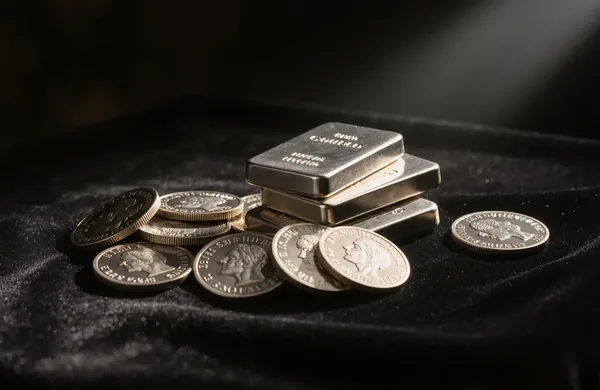
Gold has served as a medium of exchange and symbol of wealth across human civilizations for thousands of years. Archaeological evidence shows that ancient societies incorporated gold into trade systems, jewelry production, and religious practices. Egyptian burial sites from antiquity contain extensive gold artifacts, reflecting beliefs about the metal's spiritual significance in death rituals.
The Inca civilization utilized gold extensively in temple construction and ceremonial objects, attributing sacred properties to the metal. Gold functioned as the foundation of monetary systems throughout much of recorded history. The gold standard, implemented by numerous countries, established direct convertibility between paper currency and specific quantities of gold, creating monetary stability through the 19th and early 20th centuries.
This system provided a fixed reference point for international trade and currency valuation. Contemporary financial markets continue to reference gold as a benchmark asset, with central banks maintaining gold reserves as part of their monetary policy frameworks. The metal's historical function as a store of value influences current investment strategies and economic policy decisions.
The Role of Gold in the Global Economy
In the contemporary global economy, gold plays a multifaceted role that extends beyond mere ornamentation or investment. It serves as a critical asset for central banks, which hold significant reserves to stabilize their currencies and economies. Countries like the United States and Germany maintain large gold reserves as a safeguard against economic instability.
This practice underscores gold's importance as a financial safety net in times of crisis.
Moreover, gold is a key player in international trade.
Its value is recognized worldwide, making it a universally accepted form of currency.
Countries often trade in gold to settle balances, especially when dealing with nations facing currency fluctuations or economic sanctions.
This global acceptance enhances gold's liquidity and reinforces its status as a vital component of the international financial system.
Gold as a Safe Haven Investment
Investors often turn to gold during periods of economic uncertainty, viewing it as a safe haven investment. When stock markets are volatile or geopolitical tensions rise, gold tends to retain its value or even appreciate. This characteristic makes it an attractive option for those looking to protect their wealth.
Unlike stocks or bonds, which can fluctuate dramatically based on market conditions, gold has historically shown resilience during downturns. The psychological aspect of investing in gold also plays a significant role. Many investors perceive gold as a tangible asset that can provide security in uncertain times.
This perception drives demand, further solidifying gold's position as a safe haven. As global events unfold—be it financial crises, political unrest, or natural disasters—investors often flock to gold, reinforcing its status as a reliable store of value.
The Relationship Between Gold and Inflation
Gold has long been viewed as a hedge against inflation. When inflation rises, the purchasing power of currency diminishes, leading investors to seek assets that can preserve their wealth. Gold has historically maintained its value during inflationary periods, making it an appealing choice for those concerned about rising prices.
As central banks increase money supply to stimulate economies, the potential for inflation grows, prompting many to invest in gold. The relationship between gold and inflation is not merely theoretical; it is supported by historical data. During the 1970s, for example, high inflation rates coincided with significant increases in gold prices.
Investors who held gold during this period saw substantial returns as the metal outperformed other asset classes. This historical precedent reinforces the notion that gold can serve as an effective hedge against inflationary pressures.
The Impact of Central Bank Policies on Gold Prices
Central bank policies significantly influence gold prices through interest rates and monetary supply adjustments. When central banks lower interest rates or engage in quantitative easing, they increase the money supply, which can lead to inflation concerns. In such scenarios, investors often turn to gold as a hedge against potential currency devaluation.
Consequently, lower interest rates typically correlate with higher gold prices. Conversely, when central banks raise interest rates to combat inflation or stabilize their economies, gold prices may decline. Higher interest rates make yield-bearing assets more attractive compared to non-yielding assets like gold.
This dynamic creates a complex relationship between central bank policies and gold prices, making it essential for investors to monitor these developments closely.
The Potential for Gold to Hedge Against Geopolitical Uncertainty
Geopolitical uncertainty can have profound effects on financial markets, prompting investors to seek refuge in stable assets like gold. Events such as wars, trade disputes, and political instability often lead to increased demand for gold as a protective measure. During times of crisis, gold's status as a safe haven becomes even more pronounced, driving up its price as investors flock to secure their wealth.
The historical context supports this trend; for instance, during the Gulf War and the 2008 financial crisis, gold prices surged as uncertainty gripped global markets. Investors recognized that traditional assets could be vulnerable during such tumultuous times, leading them to allocate more resources toward gold. This behavior highlights gold's unique ability to act as a buffer against geopolitical risks.
The Demand for Gold in Emerging Markets
Emerging markets are increasingly driving global demand for gold due to rising incomes and changing consumer behaviors. As economies grow and middle classes expand in countries like India and China, so does the appetite for gold jewelry and investment products. In these regions, gold is not only seen as a luxury item but also as a symbol of status and wealth.
Additionally, central banks in emerging markets are accumulating gold reserves to diversify their assets and strengthen their financial positions. This trend further fuels demand and contributes to upward pressure on global gold prices. As emerging markets continue to develop economically, their influence on the global gold market is expected to grow significantly.
The Role of Gold in Portfolio Diversification
Incorporating gold into an investment portfolio can enhance diversification and reduce overall risk. Gold often exhibits low correlation with other asset classes such as stocks and bonds, meaning it can perform well when other investments falter. This characteristic makes it an effective tool for mitigating risk during market downturns.
Investors who include gold in their portfolios can benefit from its potential for capital appreciation while also enjoying the stability it provides during turbulent times. By balancing traditional investments with gold, individuals can create a more resilient portfolio that withstands various market conditions.
The Environmental and Social Implications of Gold Mining
While gold holds significant economic value, its extraction comes with environmental and social challenges that cannot be overlooked. Gold mining operations can lead to deforestation, water pollution, and habitat destruction if not managed responsibly. These environmental impacts raise concerns about sustainability and ethical practices within the industry.
Moreover, social implications arise from mining activities in local communities. Issues such as labor rights violations and displacement of indigenous populations are prevalent in some regions where mining occurs. As awareness grows regarding these challenges, consumers and investors are increasingly demanding transparency and responsible sourcing practices from gold producers.
The Potential for Gold to Outperform Other Asset Classes
Historically, gold has demonstrated the potential to outperform other asset classes during specific economic conditions. For instance, during periods of high inflation or economic downturns, gold often shines brighter than stocks or bonds. Its unique characteristics allow it to serve as both a hedge against inflation and a safe haven during crises.
Investors who strategically allocate funds toward gold may find that it enhances their overall returns while providing stability during volatile market conditions. As global uncertainties persist and economic landscapes shift, the potential for gold to outperform traditional investments remains an attractive proposition for many.
The Future Outlook for Gold Prices
Looking ahead, the future outlook for gold prices appears promising amid ongoing economic uncertainties and geopolitical tensions. Factors such as inflationary pressures, central bank policies, and rising demand from emerging markets are likely to influence price movements in the coming years. Additionally, the growing recognition of gold's role in portfolio diversification may further bolster its appeal among investors.
As global events unfold—be it political unrest or economic shifts—gold's status as a safe haven is expected to remain intact. Investors who recognize these trends may find opportunities to capitalize on potential price increases while safeguarding their wealth against unforeseen challenges. In conclusion, the multifaceted role of gold in both historical and contemporary contexts underscores its enduring significance in our lives and economies.
Whether viewed through the lens of investment strategy or cultural heritage, gold continues to captivate and inspire confidence across generations.
Questions
Straight answers on the case for gold
What does the term "gold bugs" refer to?
"Gold bugs" is a term used to describe investors and analysts who strongly believe in the value of gold as a safe-haven asset and a hedge against economic instability and inflation.
Why do gold bugs believe gold is a good investment?
Gold bugs argue that gold retains its value over time, protects against currency devaluation, and serves as a reliable store of wealth during periods of economic uncertainty, inflation, or geopolitical turmoil.
What factors can cause gold prices to rise?
Gold prices can increase due to inflation, currency depreciation, geopolitical tensions, economic recessions, and increased demand for safe-haven assets.
How does inflation impact the value of gold?
Inflation reduces the purchasing power of fiat currencies, making gold more attractive as it is seen as a store of value that can preserve wealth when prices rise.
Is gold a good hedge against economic downturns?
Historically, gold has often performed well during economic downturns and financial crises, as investors seek stability and safety, which can increase demand and prices.
What are some risks associated with investing in gold?
Risks include price volatility, lack of income generation (such as dividends or interest), storage and insurance costs, and potential regulatory changes affecting gold ownership.
How does gold compare to other investments like stocks or bonds?
Gold is generally less correlated with stocks and bonds, making it a useful diversification tool. However, it does not produce income and can be more volatile in the short term.
Can gold be considered a long-term investment?
Many investors view gold as a long-term store of value, especially during periods of currency instability or inflation, but its performance can vary depending on economic conditions.
What role does central bank policy play in gold prices?
Central bank policies, such as interest rate changes and quantitative easing, can influence gold prices by affecting inflation expectations and currency values.
How can individual investors invest in gold?
Investors can buy physical gold (coins, bars), gold exchange-traded funds (ETFs), gold mining stocks, or gold mutual funds, each with different risk and liquidity profiles.