Journal
The Allure of Gold During Uncertain Times
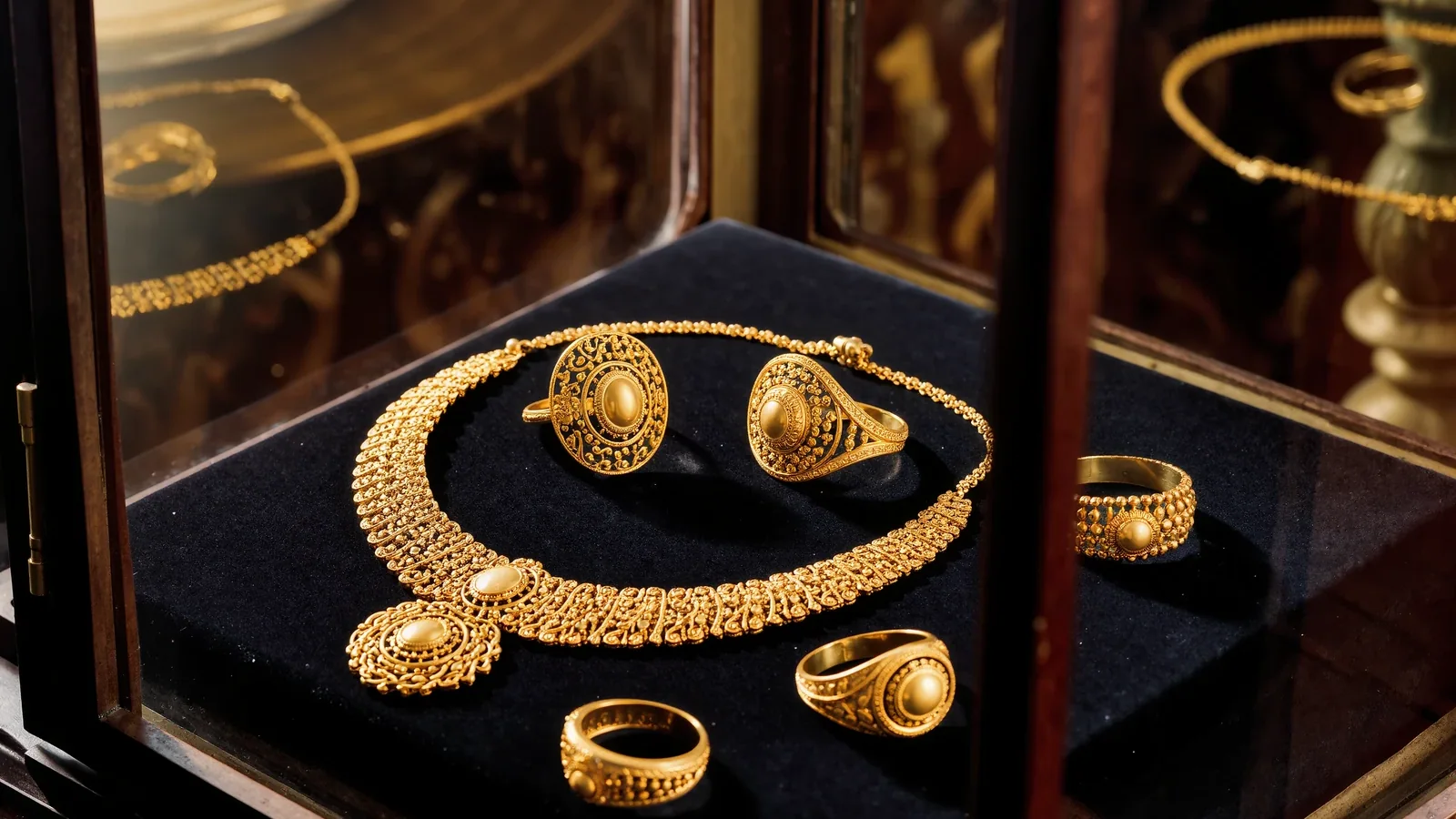
Gold has served as a medium of exchange, store of value, and symbol of wealth across human civilizations for thousands of years. Archaeological evidence shows that ancient societies, including the Egyptians, Greeks, and Romans, utilized gold for currency, religious ceremonies, and decorative objects. Egyptian burial practices included placing gold artifacts in tombs, reflecting the metal's perceived spiritual and material value in their culture.
Gold's economic importance became formalized through various monetary systems throughout history. The Gold Standard, implemented by many nations during the 19th and early 20th centuries, established gold as the basis for currency valuation and international trade. Under this system, paper money could be exchanged for a fixed amount of gold, providing stability to global financial markets until its abandonment in the 1970s.
The metal possesses several physical and chemical properties that contribute to its monetary utility: limited supply due to geological scarcity, resistance to corrosion and tarnishing, malleability for coinage, and divisibility into smaller units. These characteristics have enabled gold to function as a store of value across different economic periods, including times of inflation, currency devaluation, and political instability. Today, central banks, investors, and institutions continue to hold gold reserves as a hedge against economic uncertainty and as a component of diversified investment portfolios.
Gold as a Safe Haven Investment
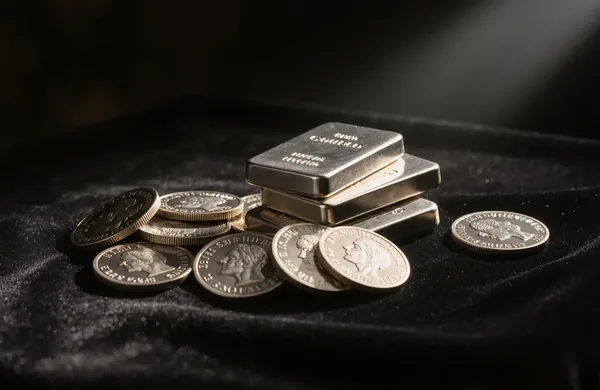
In times of economic uncertainty, investors often turn to gold as a safe haven investment. This is primarily due to its historical performance during market downturns. Unlike stocks or real estate, gold tends to retain its value when other assets falter.
Investors view gold as a hedge against inflation and currency devaluation, making it an attractive option during turbulent times. The appeal of gold as a safe haven is further reinforced by its intrinsic value. Unlike fiat currencies that can be printed at will, gold is finite and cannot be manufactured.
This scarcity contributes to its stability and reliability as an investment. As geopolitical tensions rise and economic indicators fluctuate, the demand for gold often surges, reflecting its status as a protective asset in uncertain times.
Gold's Role in Diversifying a Portfolio
Diversification is a fundamental principle of investing, and gold plays a crucial role in this strategy. By including gold in an investment portfolio, individuals can reduce overall risk and enhance potential returns. Gold often exhibits a low correlation with other asset classes, such as stocks and bonds, which means it can provide stability when markets are volatile.
Investors can benefit from gold's unique characteristics by allocating a portion of their portfolio to this precious metal. This not only helps mitigate risks associated with market fluctuations but also offers potential for capital appreciation. As global economic conditions evolve, having gold in your portfolio can serve as a buffer against unforeseen events, ensuring a more balanced investment approach.
The Psychological Appeal of Gold in Uncertain Times
The psychological appeal of gold cannot be understated, especially during periods of uncertainty. Many investors view gold as a tangible asset that provides comfort and security. In times of crisis, the instinct to hold physical assets often outweighs the desire for paper investments.
This behavior is rooted in the belief that gold will retain its value when other investments may falter. Moreover, the symbolism associated with gold enhances its psychological appeal. It represents wealth, success, and stability—qualities that individuals seek during challenging times.
The act of investing in gold can evoke feelings of control and reassurance, allowing investors to navigate uncertainty with greater confidence. This emotional connection to gold reinforces its status as a preferred asset during turbulent periods.
Gold's Performance During Economic Crises
Historically, gold has demonstrated remarkable resilience during economic crises. For instance, during the 2008 financial crisis, gold prices surged as investors fled to safety. The metal's ability to maintain value amid market turmoil has solidified its reputation as a reliable store of wealth.
This trend continues to be observed during various economic downturns, where gold often outperforms other asset classes. The performance of gold during crises can be attributed to several factors. First, its status as a safe haven attracts investors seeking stability.
Second, central banks often increase their gold reserves during economic instability, further driving demand.
Lastly, the perception of gold as a hedge against inflation and currency devaluation enhances its appeal during uncertain times. As history shows, investing in gold can be a prudent strategy for navigating economic challenges.
The Influence of Geopolitical Tensions on Gold Prices
Geopolitical tensions have a significant impact on gold prices, often leading to increased demand for the precious metal. Events such as conflicts, trade wars, and political instability can create uncertainty in financial markets, prompting investors to seek refuge in gold. The metal's historical role as a safe haven makes it particularly attractive during these times.
For example, when tensions escalate between nations or regions, investors typically react by purchasing gold to hedge against potential risks.
This surge in demand can lead to price increases, reflecting the market's perception of gold as a protective asset.
As geopolitical dynamics continue to evolve, understanding their influence on gold prices becomes essential for investors looking to capitalize on market trends.
Gold's Relationship with Inflation and Deflation
Gold has long been viewed as a hedge against inflation—a phenomenon that erodes purchasing power over time. When inflation rises, the value of fiat currencies tends to decline, making tangible assets like gold more appealing. Historically, periods of high inflation have coincided with rising gold prices, reinforcing its status as a reliable store of value.
Conversely, during deflationary periods when prices decline and economic activity slows down, gold may not perform as well. Investors may prioritize liquidity over tangible assets during such times. However, even in deflationary environments, gold retains its intrinsic value and can serve as a safeguard against economic uncertainty.
Understanding the relationship between gold and inflation/deflation is crucial for investors seeking to navigate varying economic conditions.
The Impact of Central Bank Policies on Gold Demand
Central bank policies play a pivotal role in shaping the demand for gold globally. Central banks hold significant reserves of gold as part of their monetary policy strategies. When central banks increase their gold holdings or signal intentions to do so, it often leads to heightened demand in the market.
For instance, during periods of economic uncertainty or when interest rates are low, central banks may opt to diversify their reserves by purchasing more gold. This action not only supports the price of gold but also signals confidence in the metal's long-term value. Investors closely monitor central bank activities as they can provide valuable insights into future trends in gold demand and pricing.
The Rise of Gold-backed Exchange-Traded Funds (ETFs)
In recent years, the popularity of gold-backed exchange-traded funds (ETFs) has surged among investors seeking exposure to the precious metal without the complexities of physical ownership. Gold ETFs allow individuals to invest in gold without needing to store or secure physical bullion. This convenience has made gold more accessible to a broader range of investors.
Gold ETFs track the price of gold and provide liquidity similar to stocks. They offer an efficient way for investors to gain exposure to gold's price movements while benefiting from lower transaction costs compared to buying physical gold. As more investors recognize the advantages of ETFs, their popularity continues to grow, further influencing overall demand for gold in financial markets.
The Role of Gold in Wealth Preservation
Wealth preservation is a primary goal for many investors, and gold plays a crucial role in achieving this objective. Its historical performance as a store of value makes it an essential component of wealth preservation strategies. Unlike other assets that may fluctuate significantly in value, gold tends to maintain its worth over time.
Investing in gold can provide individuals with peace of mind knowing that their wealth is safeguarded against economic uncertainties and market volatility. Whether through physical bullion or financial instruments like ETFs, incorporating gold into an investment strategy can enhance overall portfolio resilience and protect against potential losses.
The Future Outlook for Gold in Uncertain Times
As we look ahead, the future outlook for gold remains promising amid ongoing uncertainties in global markets. Factors such as geopolitical tensions, inflationary pressures, and evolving central bank policies will continue to influence demand for this precious metal. Investors are likely to seek refuge in gold as they navigate an increasingly complex financial landscape.
Moreover, technological advancements and innovations in financial products related to gold may further enhance its accessibility and appeal among investors. As awareness grows regarding the benefits of including gold in investment portfolios, we can expect continued interest in this timeless asset class. In conclusion, understanding the multifaceted role of gold—from its historical significance to its performance during crises—can empower investors to make informed decisions about incorporating this precious metal into their portfolios.
Whether seeking stability or wealth preservation, gold remains a vital asset for navigating uncertain times ahead.
Questions
Straight answers on the allure of gold during uncertain times
Why does gold tend to shine when confidence in the economy disappears?
Gold is often seen as a safe-haven asset. When confidence in the economy or financial markets declines, investors tend to buy gold to preserve their wealth, driving up its price and making it "shine" during uncertain times.
How does gold act as a hedge against economic uncertainty?
Gold is considered a hedge because it typically maintains its value or appreciates when other assets, like stocks or currencies, lose value during economic downturns or periods of high inflation.
What factors influence the price of gold during times of low confidence?
Factors include geopolitical tensions, inflation rates, currency fluctuations (especially the US dollar), interest rates, and overall market volatility. When confidence is low, these factors often push investors toward gold.
Is gold a good investment during financial crises?
Historically, gold has performed well during financial crises as investors seek stability. However, like all investments, it carries risks and should be part of a diversified portfolio.
How does the US dollar affect gold prices?
Gold and the US dollar typically have an inverse relationship. When the dollar weakens, gold prices often rise because gold becomes cheaper for holders of other currencies, increasing demand.
Can gold lose value during times of economic uncertainty?
Yes, while gold is generally a safe haven, its price can still fluctuate due to market dynamics, changes in interest rates, or shifts in investor sentiment.
What role does inflation play in gold's appeal?
Gold is often seen as a store of value during inflationary periods because it tends to retain purchasing power better than fiat currencies, which can lose value as inflation rises.
How do central bank policies impact gold prices?
Central bank actions, such as changing interest rates or engaging in quantitative easing, can influence gold prices by affecting inflation expectations and currency values, thereby impacting investor demand for gold.