Journal
The Silver Surge: Prices Lagging Behind Demand
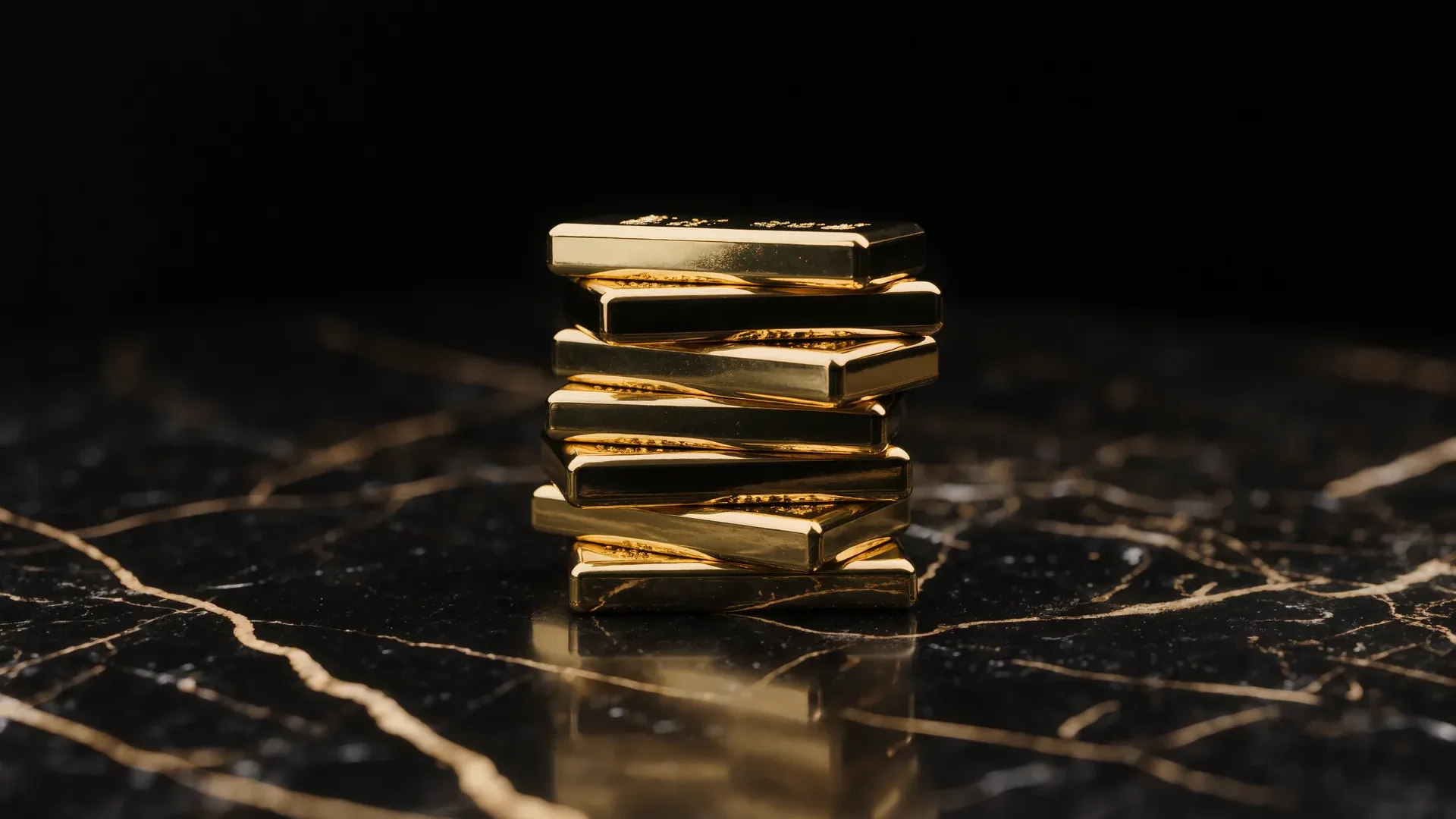
Silver demand has increased consistently in recent years due to expanding industrial applications and investment interest. As a precious metal, silver maintains value through both its physical properties and market perception. Current market data shows significant growth in silver consumption across technology and renewable energy sectors, establishing it as an essential material for modern manufacturing processes.
Silver applications have diversified beyond traditional jewelry and decorative items to include electronics manufacturing, photovoltaic solar cells, and medical devices. The metal's electrical conductivity, antimicrobial properties, and reflective characteristics make it particularly valuable in these sectors. Electronics manufacturing accounts for approximately 30% of annual silver consumption, while solar panel production represents the fastest-growing segment of industrial demand.
Market analysis indicates continued growth in silver consumption driven by technological advancement and renewable energy adoption. Solar panel installations globally require substantial silver quantities for electrical contacts, with each panel containing approximately 15-20 grams of silver. The electronics industry's expansion, particularly in semiconductors and electric vehicles, further supports sustained demand growth.
These industrial applications, combined with investment demand, contribute to silver's market dynamics and price trends.
Factors Contributing to the Increase in Silver Prices
Several factors are contributing to the increase in silver prices, making it a focal point for both investors and industries. One of the primary drivers is the surge in industrial demand, particularly from sectors such as electronics and renewable energy. The rise of electric vehicles and solar energy systems has created a significant need for silver, which is used in batteries and photovoltaic cells.
This industrial consumption is expected to grow as more countries commit to green energy initiatives. Another factor influencing silver prices is the economic climate. Inflation concerns and currency fluctuations often lead investors to seek safe-haven assets like silver.
When economic uncertainty looms, the appeal of silver as a hedge against inflation becomes more pronounced. Additionally, geopolitical tensions can drive investors toward precious metals, further pushing up demand and prices. As these factors converge, they create a complex landscape that significantly impacts silver's market value.
The Role of Silver in Industrial and Technological Advancements
Silver plays a crucial role in various industrial and technological advancements, making it an indispensable resource in today's economy. Its unique properties, such as high electrical conductivity and antibacterial qualities, make it ideal for use in electronics, medical devices, and renewable energy technologies. For instance, silver is widely used in smartphones, tablets, and other electronic devices due to its efficiency in conducting electricity.
Moreover, the push for sustainable technologies has further amplified silver's importance. In solar energy systems, silver is a key component in photovoltaic cells, which convert sunlight into electricity. As the world shifts towards renewable energy sources, the demand for silver in this sector is expected to grow exponentially.
This trend not only highlights silver's versatility but also positions it as a critical element in the transition to a greener economy.
Challenges in Meeting the Demand for Silver
Despite the growing demand for silver, several challenges hinder the ability to meet this need effectively. One significant issue is the limited availability of high-quality silver deposits. While there are numerous mining operations worldwide, many are struggling with declining ore grades and increasing production costs.
This situation creates a bottleneck in supply, which can lead to price volatility.
Additionally, environmental regulations and social concerns surrounding mining practices pose challenges for the industry.
Stricter regulations aimed at minimizing environmental impact can slow down production rates and increase operational costs.
As companies strive to balance profitability with sustainability, these challenges may further complicate efforts to meet the rising demand for silver.
The Impact of Silver Prices on Investment and Trading
The fluctuations in silver prices have a profound impact on investment strategies and trading behaviors. Investors often view silver as a safe-haven asset during times of economic uncertainty. When prices rise, it can attract more investors looking to capitalize on potential gains.
Conversely, when prices fall, it may deter new investments or prompt existing investors to liquidate their holdings. Moreover, the volatility of silver prices can create opportunities for traders who engage in short-term strategies. Understanding market trends and price movements is crucial for successful trading in silver.
Investors must stay informed about global economic indicators and industry developments that can influence prices. By doing so, they can make informed decisions that align with their investment goals.
Strategies for Investing in Silver Amidst Price Surges
Investing in silver during periods of price surges requires careful planning and strategic thinking. One effective strategy is dollar-cost averaging, where investors purchase silver at regular intervals regardless of price fluctuations. This approach helps mitigate the impact of volatility and allows investors to build their positions over time.
Another strategy involves diversifying investments within the silver market. Investors can consider various forms of silver assets, such as physical bullion, exchange-traded funds (ETFs), or mining stocks. Each option carries different risk profiles and potential returns, allowing investors to tailor their portfolios according to their risk tolerance and investment objectives.
Additionally, staying informed about market trends and economic indicators can provide valuable insights into when to buy or sell silver assets. By keeping abreast of industry news and expert analyses, investors can make more informed decisions that align with their financial goals.
The Influence of Global Economic and Political Factors on Silver Prices
Global economic and political factors play a significant role in shaping silver prices. Economic indicators such as inflation rates, interest rates, and employment figures can influence investor sentiment toward precious metals like silver. For instance, rising inflation often leads investors to seek safe-haven assets, driving up demand and prices.
Political instability or geopolitical tensions can also impact silver prices significantly. Events such as trade disputes or conflicts can create uncertainty in financial markets, prompting investors to flock to precious metals as a hedge against risk. Understanding these dynamics is essential for investors looking to navigate the complexities of the silver market effectively.
The Role of Silver in Diversifying Investment Portfolios
Silver serves as an excellent tool for diversifying investment portfolios due to its unique characteristics as a precious metal. Unlike stocks or bonds, silver often behaves differently under various economic conditions, making it an effective hedge against market volatility. By including silver in their portfolios, investors can reduce overall risk while potentially enhancing returns.
Moreover, silver's historical performance during economic downturns reinforces its status as a reliable asset for diversification. When traditional markets experience turbulence, precious metals like silver often retain their value or even appreciate. This quality makes silver an attractive option for investors seeking stability amidst uncertainty.
The Future Outlook for Silver Prices and Demand
The future outlook for silver prices and demand appears promising as various factors converge to support growth in this sector. With increasing industrial applications and technological advancements driving demand, analysts predict that silver will continue to play a vital role in the global economy. The transition towards renewable energy sources further solidifies this outlook.
Additionally, ongoing economic uncertainties may lead more investors to consider silver as a safe-haven asset. As inflation concerns persist and geopolitical tensions remain prevalent, the appeal of investing in precious metals like silver is likely to grow. This combination of industrial demand and investment interest positions silver favorably for future price appreciation.
The Importance of Silver in Sustainable and Green Technologies
Silver's role in sustainable and green technologies cannot be overstated. As the world grapples with climate change and environmental degradation, the demand for eco-friendly solutions has surged. Silver's unique properties make it an essential component in various green technologies, particularly in solar energy systems.
In photovoltaic cells used for solar panels, silver enhances efficiency by improving electrical conductivity. As countries invest heavily in renewable energy infrastructure, the need for silver will only increase. This trend underscores the importance of silver not just as a commodity but as a critical resource for achieving sustainability goals globally.
The Role of Government Policies and Regulations in Shaping the Silver Market
Government policies and regulations significantly influence the dynamics of the silver market. Mining regulations aimed at protecting the environment can impact production levels and costs for mining companies. Striking a balance between environmental sustainability and economic viability is crucial for ensuring a stable supply of silver.
Additionally, trade policies can affect international supply chains for silver-related products. Tariffs or trade restrictions may lead to price fluctuations that impact both consumers and investors alike. Understanding these regulatory frameworks is essential for stakeholders looking to navigate the complexities of the silver market effectively.
In conclusion, the growing demand for silver presents both opportunities and challenges for investors and industries alike. By understanding the factors influencing prices and adopting strategic investment approaches, individuals can position themselves favorably within this dynamic market landscape. As we look ahead, it is clear that silver will continue to play a pivotal role in shaping our economy and technological advancements while offering unique advantages for diversifying investment portfolios.
Questions
Straight answers on the silver surge
What factors are driving the current surge in silver demand?
The surge in silver demand is primarily driven by increased industrial use, particularly in electronics and solar energy sectors, as well as growing investment interest due to economic uncertainty and inflation concerns.
Why haven't silver prices increased in line with the rising demand?
Silver prices have not yet caught up with demand due to factors such as ample supply from mining and recycling, market speculation, and the influence of other economic variables like currency strength and interest rates.
How is industrial demand impacting silver consumption?
Industrial demand significantly impacts silver consumption because silver is widely used in manufacturing electronics, solar panels, medical devices, and other technologies, leading to a steady increase in its industrial use.
What role does investment demand play in silver markets?
Investment demand plays a crucial role as investors often turn to silver as a hedge against inflation and economic instability, increasing purchases of silver coins, bars, and exchange-traded funds (ETFs).
Are there any supply constraints affecting silver availability?
While silver supply is generally stable, potential constraints can arise from mining disruptions, geopolitical issues, and limited recycling rates, which may affect availability and influence prices over time.
How does silver compare to other precious metals in terms of demand and price trends?
Silver tends to have more industrial applications than gold, leading to different demand dynamics. While gold is primarily an investment and store of value, silver's price is influenced by both industrial demand and investment trends, sometimes causing more volatility.
What should investors consider before investing in silver given the current market conditions?
Investors should consider factors such as market volatility, supply and demand fundamentals, economic indicators, and their own investment goals and risk tolerance before investing in silver.
How might future technological developments affect silver demand?
Future technological advancements, especially in renewable energy and electronics, could increase silver demand further due to its conductive and reflective properties, potentially impacting prices and market dynamics.