Journal
Silver's Potential to Spark the Next Price Shock
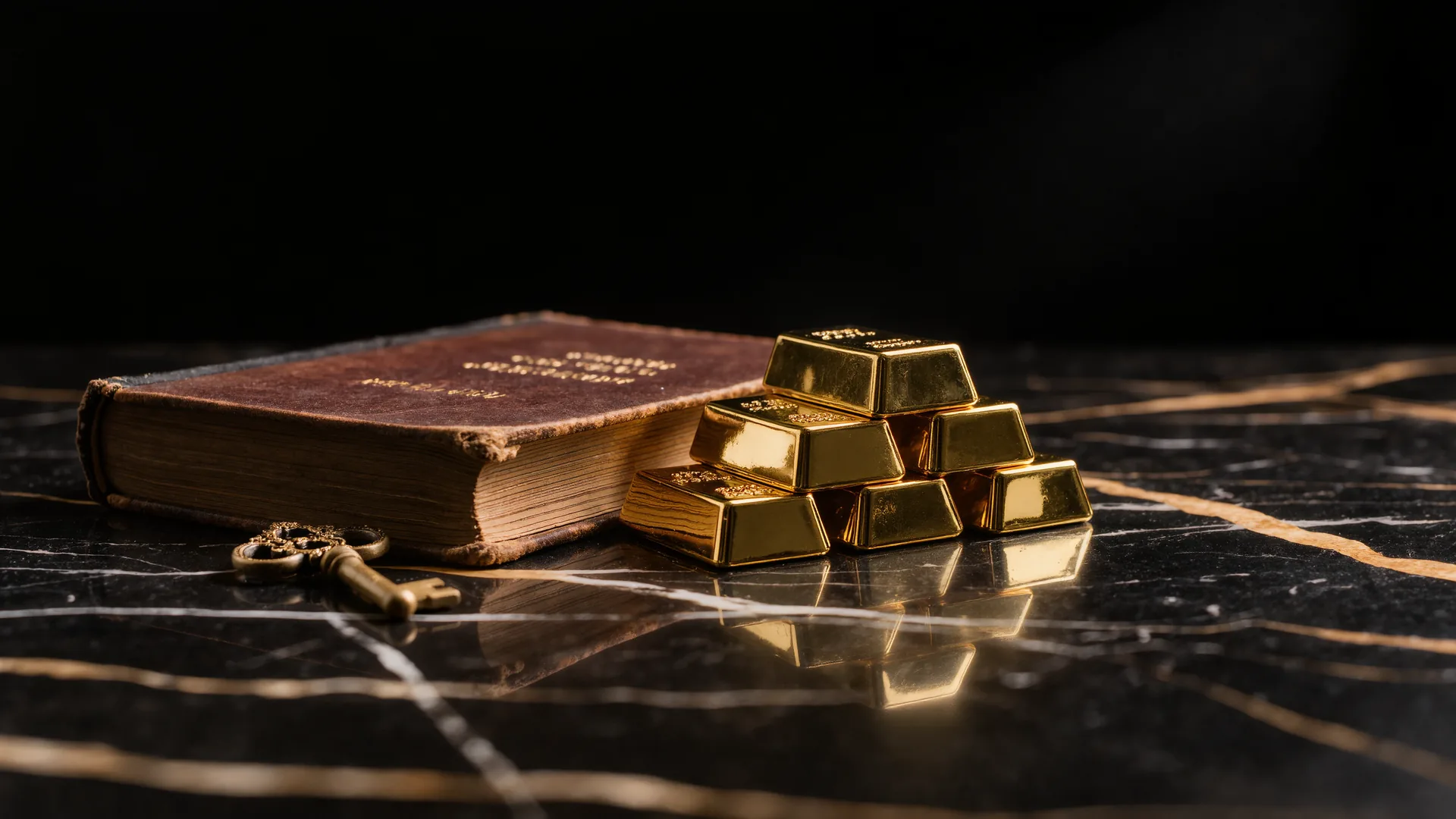
Silver has long been regarded as a precious metal with significant value, both in industrial applications and as an investment vehicle. Its unique properties, such as high conductivity and reflectivity, make it indispensable in various sectors, including electronics, solar energy, and medical applications. As the world increasingly shifts towards sustainable technologies, silver's potential is poised for a remarkable surge.
Investors and analysts alike are keenly observing the market, anticipating a potential price shock that could redefine silver's role in the global economy. Understanding the factors that contribute to this potential is crucial for anyone looking to navigate the complexities of silver investment. The allure of silver extends beyond its physical properties; it also serves as a hedge against inflation and currency fluctuations.
With central banks around the world adopting expansive monetary policies, the demand for tangible assets like silver is expected to rise. This article delves into the historical price trends of silver, the factors contributing to its potential price shock, and the various demands driving its market. By exploring these elements, we aim to provide a comprehensive outlook on silver's future and its implications for investors.
Historical Price Trends of Silver
To understand silver's potential price shock, one must first examine its historical price trends. Over the past few decades, silver has experienced significant volatility, with prices fluctuating dramatically due to various economic and geopolitical factors. In the early 1980s, silver prices soared to nearly $50 per ounce, driven by speculative trading and inflation fears.
However, this peak was followed by a prolonged decline, with prices dropping to around $4 per ounce by the late 1990s. In recent years, silver has seen a resurgence, particularly during times of economic uncertainty. The COVID-19 pandemic in 2020 acted as a catalyst for a new wave of interest in precious metals.
Prices surged past $25 per ounce as investors sought safe-haven assets amid market turmoil. This historical context is essential for understanding the current landscape and anticipating future movements in silver prices.
Factors Contributing to Silver's Potential Price Shock
Several factors are converging to create an environment ripe for a potential price shock in silver. One of the most significant is the increasing industrial demand for silver, particularly in renewable energy technologies. As countries commit to reducing carbon emissions and transitioning to greener energy sources, silver's role in solar panels and electric vehicles becomes more critical.
This growing demand could outpace supply, leading to upward pressure on prices. Additionally, macroeconomic factors such as inflation and currency devaluation play a crucial role in shaping silver's price trajectory. With central banks worldwide implementing aggressive monetary policies to stimulate their economies, concerns about inflation are mounting.
Investors often turn to silver as a hedge against these economic uncertainties, further driving demand. The combination of industrial and investment demand creates a perfect storm for a potential price shock.
Industrial Demand for Silver
Industrial demand is one of the primary drivers of silver's potential price increase. Silver is used extensively in various industries due to its unique properties. In electronics, it is a key component in circuit boards and connectors, where its high conductivity is essential for efficient performance.
The rise of electric vehicles (EVs) also contributes significantly to silver demand; each EV contains several grams of silver in its components. Moreover, the solar energy sector relies heavily on silver for photovoltaic cells. As governments worldwide push for renewable energy solutions, the demand for solar panels—and consequently silver—continues to grow.
According to industry reports, solar energy installations are expected to increase significantly over the next decade, further solidifying silver's position as a critical industrial metal.
Investment Demand for Silver
Investment demand for silver has also seen a notable uptick in recent years. As investors seek alternatives to traditional assets like stocks and bonds, many are turning to precious metals as a store of value. Silver offers an attractive entry point for investors due to its relatively lower price compared to gold while still providing similar benefits as a hedge against inflation and economic instability.
The rise of retail investors has further fueled this trend. With the advent of online trading platforms and increased access to information, more individuals are investing in silver than ever before. This growing interest is reflected in the sales of silver bullion coins and exchange-traded funds (ETFs) that track silver prices.
As more people recognize silver's potential as an investment asset, demand is likely to continue rising.
Geopolitical Factors Affecting Silver Prices
Geopolitical factors play a significant role in influencing silver prices. Events such as trade tensions, political instability, and conflicts can create uncertainty in financial markets, prompting investors to seek safe-haven assets like silver. For instance, during periods of heightened geopolitical tension, such as conflicts in the Middle East or trade disputes between major economies, silver often experiences price spikes as investors flock to it for security.
Additionally, government policies regarding mining regulations and environmental concerns can impact supply levels. Countries that produce significant amounts of silver may impose restrictions or face challenges that limit output. Such supply constraints can lead to increased prices if demand remains strong or grows further.
Silver's Relationship with Gold and Other Precious Metals
Silver's relationship with gold is another critical aspect of its market dynamics. Historically, silver has been viewed as a "poor man's gold," often moving in tandem with gold prices but at different magnitudes. When gold prices rise due to economic uncertainty or inflation fears, silver typically follows suit but may experience more significant percentage gains due to its lower starting price.
Moreover, silver's correlation with other precious metals like platinum and palladium can also influence its price movements. For instance, if platinum prices rise due to increased automotive demand or supply constraints, it can create upward pressure on silver prices as investors reassess their portfolios within the precious metals sector.
Potential Risks and Challenges for Silver's Price Outlook
While the outlook for silver appears promising, several risks and challenges could hinder its potential price shock. One significant concern is market volatility; sudden price swings can deter investors and create uncertainty in the market. Additionally, if economic conditions stabilize or improve significantly, investors may shift their focus away from safe-haven assets like silver.
Another challenge lies in supply dynamics. If mining operations ramp up or new discoveries are made that increase available supply, it could dampen upward price momentum. Furthermore, technological advancements that reduce the amount of silver needed in industrial applications could also impact demand negatively.
Silver's Role as a Safe Haven Asset
Silver has long been regarded as a safe-haven asset during times of economic turmoil. Its intrinsic value and historical performance during crises make it an attractive option for risk-averse investors. When stock markets falter or geopolitical tensions escalate, many turn to silver as a reliable store of value.
This role is particularly relevant in today's economic climate, where inflation concerns and global uncertainties abound.
As central banks continue their accommodative monetary policies, the appeal of tangible assets like silver grows stronger.
Investors seeking stability often find solace in diversifying their portfolios with precious metals.
The Impact of Monetary Policy on Silver Prices
Monetary policy significantly influences silver prices through interest rates and inflation expectations. When central banks adopt low-interest-rate policies or engage in quantitative easing, it can lead to increased inflationary pressures over time. In such environments, investors often seek out precious metals like silver as a hedge against currency devaluation.
Moreover, changes in interest rates can affect opportunity costs associated with holding non-yielding assets like silver. When rates are low, the cost of holding physical silver decreases, making it more attractive compared to interest-bearing investments like bonds or savings accounts.
Outlook for Silver's Potential Price Shock
In conclusion, the potential for a price shock in silver is supported by various converging factors: increasing industrial demand, rising investment interest, geopolitical uncertainties, and its role as a safe haven asset amidst economic instability. While challenges exist—such as market volatility and supply dynamics—the overall outlook remains positive. As we move forward into an era marked by technological advancements and shifting economic landscapes, silver's unique properties position it well for future growth.
Investors looking to capitalize on this potential should consider diversifying their portfolios with silver while remaining mindful of market conditions and risks involved. In summary, understanding the multifaceted nature of silver's market dynamics is essential for anyone interested in this precious metal's future prospects. Whether you are an investor or simply curious about the market trends surrounding silver, staying informed will be key to navigating this exciting landscape effectively.
Questions
Straight answers on silver's potential to spark the next price shock
What factors are currently influencing the price of silver?
Several factors influence silver prices, including industrial demand, investment trends, geopolitical events, inflation rates, and supply constraints from mining and recycling.
Why is silver considered a potential trigger for a price shock?
Silver is considered a potential trigger for a price shock due to its dual role as both an industrial metal and a precious metal, making it sensitive to changes in economic conditions, technological advancements, and investor sentiment.
How does industrial demand affect silver prices?
Industrial demand significantly affects silver prices because silver is widely used in electronics, solar panels, medical devices, and other technologies. Increased industrial use can drive prices higher, especially if supply is limited.
What role does investment demand play in silver price fluctuations?
Investment demand, including purchases of silver coins, bars, and exchange-traded funds (ETFs), can cause price fluctuations. When investors seek safe-haven assets during economic uncertainty, silver prices often rise.
Can supply shortages lead to a silver price shock?
Yes, supply shortages caused by mining disruptions, reduced recycling, or geopolitical issues can limit silver availability, potentially leading to sharp price increases.
How do inflation and currency fluctuations impact silver prices?
Silver is often viewed as a hedge against inflation and currency devaluation. When inflation rises or the value of major currencies falls, silver prices tend to increase as investors seek to preserve purchasing power.
Is silver more volatile than other precious metals like gold?
Silver is generally more volatile than gold due to its smaller market size, higher industrial demand, and lower liquidity, which can lead to larger price swings.
What historical events have caused significant silver price shocks?
Historical events such as the Hunt brothers' attempt to corner the silver market in the late 1970s and early 1980s, and recent surges driven by investment demand and supply constraints, have caused notable silver price shocks.
How can investors protect themselves from silver price volatility?
Investors can protect themselves by diversifying their portfolios, using stop-loss orders, investing in silver-related assets like mining stocks or ETFs, and staying informed about market trends and economic indicators.
Where can I find reliable information about silver market trends?
Reliable information can be found through financial news outlets, commodity exchanges, government reports, industry publications, and market analysis from reputable financial institutions.