Journal
Silver: The Industrial Money Game Changer
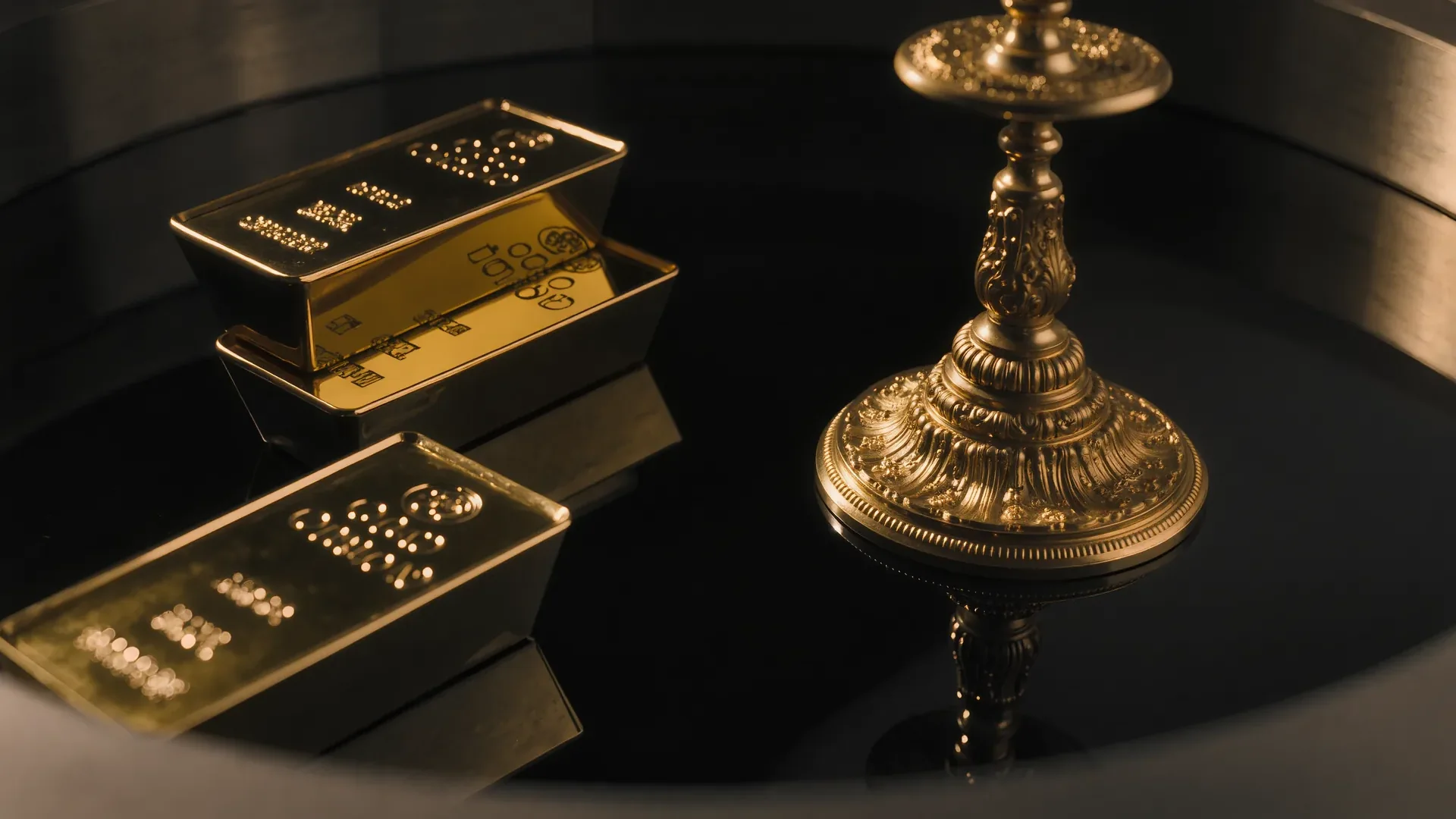
Silver has served as a monetary medium for over 4,000 years, with archaeological evidence showing its use in ancient Egypt and Mesopotamia as early as 3000 BC. The metal's adoption as currency stemmed from its natural properties: resistance to corrosion, malleability for coinage, and relative scarcity that maintained value stability. The world's first standardized silver coins were minted in Lydia (present-day western Turkey) around 650-600 BC under King Alyattes.
These electrum coins, containing silver and gold alloys, established fixed weights and purity standards that enabled consistent valuation across trade networks. This innovation spread throughout the Greek city-states and subsequently across the Mediterranean region. The Roman monetary system relied heavily on silver currency from approximately 280 BC onward.
The denarius, containing roughly 4.5 grams of silver, became the standard coin for over 400 years and facilitated commerce throughout the empire's territories spanning three continents. Roman silver mines in Spain produced an estimated 200 tons annually at peak operation. Following the fall of Rome, European kingdoms continued silver-based monetary systems throughout the medieval period.
The Carolingian monetary system, established by Charlemagne around 800 AD, standardized silver coinage across much of Western Europe. The English pound sterling originally represented one pound of sterling silver. The Spanish colonization of the Americas fundamentally altered global silver supply.
The Potosí mine in present-day Bolivia, discovered in 1545, became the world's largest silver source, producing approximately 60% of global output between 1550-1750. Mexican mines contributed an additional 25% during this period. This influx increased European silver supply by an estimated 300%, contributing to significant inflation known as the "Price Revolution."
Silver's Role in Industrial Applications
In addition to its historical significance as money, silver has become an essential component in various industrial applications. Its unique properties, such as high electrical conductivity and thermal conductivity, make it invaluable in electronics manufacturing. Silver is widely used in the production of circuit boards, connectors, and photovoltaic cells for solar panels.
As technology continues to advance, the demand for silver in these applications is expected to grow. Moreover, silver's antibacterial properties have led to its use in medical devices and healthcare products. From wound dressings to surgical instruments, silver is incorporated into items that require sterilization and infection prevention.
The versatility of silver in industrial applications highlights its importance beyond mere currency, positioning it as a critical material in modern manufacturing processes.
The Impact of Silver on the Global Economy
Silver's influence on the global economy is profound and multifaceted. As a precious metal, it serves as a hedge against inflation and economic uncertainty. Investors often turn to silver during times of financial instability, driving up its demand and price.
This behavior can create ripple effects throughout the economy, impacting everything from mining operations to jewelry markets. Additionally, silver plays a vital role in international trade. Countries rich in silver resources can leverage their assets to strengthen their economies.
For instance, nations like Mexico and Peru benefit significantly from silver mining exports, contributing to their GDP and providing employment opportunities. The interconnectedness of silver with global markets underscores its importance as both a commodity and a financial asset.
Silver's Use in Renewable Energy Technologies
As the world shifts towards renewable energy sources, silver's role in this transition cannot be overlooked.
Silver is a key component in solar energy technologies, particularly in photovoltaic cells that convert sunlight into electricity.
The efficiency of solar panels is often enhanced by the use of silver paste, which conducts electricity effectively.
As the demand for clean energy solutions grows, so does the need for silver. Furthermore, silver's application extends beyond solar energy. It is also utilized in batteries and energy storage systems, which are crucial for managing renewable energy supply and demand.
The increasing focus on sustainability and reducing carbon footprints positions silver as an essential material in the quest for greener technologies.
The Future of Silver as a Currency
The future of silver as a currency remains a topic of debate among economists and investors alike. While digital currencies and fiat money dominate the financial landscape today, there is a growing interest in re-establishing silver as a form of currency. Some proponents argue that silver's intrinsic value provides a stable alternative to fiat currencies that can be subject to inflationary pressures.
However, challenges remain in reintroducing silver as a mainstream currency. The logistics of minting coins and establishing a standardized value system would require significant effort and coordination among governments and financial institutions. Despite these hurdles, the idea of using silver as a currency continues to resonate with those seeking a tangible asset that can withstand economic fluctuations.
Silver's Influence on Technology and Innovation
Silver's unique properties have made it a catalyst for technological innovation across various sectors. In electronics, its high conductivity allows for faster and more efficient devices.
As technology evolves, the demand for smaller, more powerful electronics increases, further driving the need for silver components.
In addition to electronics, silver is making strides in nanotechnology. Researchers are exploring its potential applications in fields such as medicine and environmental science. For instance, silver nanoparticles are being studied for their ability to target cancer cells while minimizing damage to healthy tissue.
This innovative use of silver showcases its versatility and potential to revolutionize multiple industries.
The Environmental Implications of Silver Mining
While silver mining has economic benefits, it also raises significant environmental concerns. Mining operations can lead to habitat destruction, water pollution, and soil degradation. The extraction process often involves the use of toxic chemicals that can harm local ecosystems and communities.
Efforts are being made to mitigate these environmental impacts through sustainable mining practices. Companies are increasingly adopting responsible mining techniques that prioritize environmental stewardship and community engagement. By focusing on sustainability, the silver industry can balance economic growth with ecological preservation.
Silver's Role in Medical and Healthcare Industries
Silver's antibacterial properties have long been recognized in the medical field. It is used in various healthcare applications, including wound dressings, catheters, and surgical instruments. Silver ions have been shown to inhibit bacterial growth, making them effective in preventing infections.
Moreover, ongoing research continues to uncover new medical uses for silver. For example, studies are exploring its potential in treating burns and chronic wounds due to its ability to promote healing while reducing infection rates. As healthcare technology advances, silver's role in medical applications is likely to expand further.
The Relationship Between Silver and Precious Metals
Silver is often grouped with other precious metals like gold and platinum due to its intrinsic value and investment potential. While gold typically garners more attention as a safe-haven asset, silver offers unique advantages that make it an attractive investment option. Investors often view silver as a more accessible alternative to gold due to its lower price point.
This affordability allows individuals to diversify their portfolios without significant financial barriers. Additionally, during periods of economic uncertainty, silver tends to perform well alongside gold, making it a valuable asset for risk management.
Silver's Potential as an Investment Opportunity
Investing in silver presents numerous opportunities for both seasoned investors and newcomers alike. Its historical performance during economic downturns positions it as a reliable hedge against inflation and currency devaluation. As global demand for silver continues to rise—driven by industrial applications and renewable energy technologies—investors may find potential for significant returns.
Moreover, the volatility of the stock market often leads investors to seek refuge in tangible assets like silver. With its dual role as both an industrial metal and a precious commodity, silver offers diversification benefits that can enhance overall portfolio performance.
The Importance of Silver in International Trade
Silver plays a crucial role in international trade dynamics due to its status as a globally recognized commodity. Countries rich in silver resources can leverage their assets for trade agreements and economic partnerships. This interconnectedness fosters collaboration among nations while promoting economic growth.
Furthermore, fluctuations in silver prices can impact global markets significantly. For instance, changes in demand from major consumers like China can influence prices worldwide, affecting both producers and investors alike. Understanding these dynamics is essential for stakeholders involved in international trade.
In conclusion, silver's multifaceted role extends far beyond its historical significance as money; it influences various sectors from technology to healthcare while presenting unique investment opportunities. As we look towards the future, understanding these dynamics will be crucial for navigating the evolving landscape of this precious metal.
Questions
Straight answers on silver
What does the phrase "Silver is industrial money" mean?
The phrase "Silver is industrial money" refers to the dual role of silver as both a precious metal used for investment and a critical industrial metal used in various manufacturing processes. Unlike gold, which is primarily held as a store of value, silver has significant industrial demand, influencing its price and market dynamics.
How is silver used in industry?
Silver is used in numerous industrial applications due to its excellent electrical conductivity, thermal conductivity, and antimicrobial properties. It is commonly found in electronics, solar panels, medical devices, batteries, and various chemical processes.
Why does silver's industrial use affect its price?
Silver's price is influenced not only by investment demand but also by industrial demand. When industrial demand rises, it can increase silver's price, while a decline in industrial use can put downward pressure on prices. This dual demand makes silver's market behavior different from metals like gold.
How does silver differ from gold as an investment?
While both silver and gold are precious metals, gold is primarily considered a store of value and hedge against inflation, with limited industrial use. Silver, on the other hand, has significant industrial applications, making its price more sensitive to economic cycles and industrial growth.
What impact does industrial demand have on silver supply?
Industrial demand can affect silver supply because a large portion of silver mined is used in manufacturing. High industrial consumption can reduce the amount of silver available for investment or jewelry, potentially tightening supply and influencing prices.
Can silver's industrial role lead to price volatility?
Yes, silver's industrial role can lead to greater price volatility compared to gold. Changes in industrial demand due to economic growth, technological advancements, or shifts in manufacturing can cause fluctuations in silver prices.
Is silver a good hedge against inflation like gold?
Silver can act as a hedge against inflation, but its effectiveness may be less consistent than gold due to its industrial demand. Economic factors affecting industrial use can influence silver's price independently of inflationary pressures.
How does technological innovation affect silver demand?
Technological innovation can increase silver demand by creating new industrial applications, such as in renewable energy technologies or electronics. Conversely, innovations that reduce silver usage or find alternatives can decrease demand.
What should investors consider about silver's industrial use?
Investors should consider that silver's price is influenced by both investment demand and industrial demand. Economic cycles, technological changes, and industrial growth can impact silver prices, making it important to monitor these factors alongside traditional market indicators.