Düsseldorf
Sell Gold Jewelry in Düsseldorf: How to Separate Emotion from Value

When selling gold, individuals frequently encounter challenges related to the sentimental value of their items. Gold jewelry typically holds personal significance, often representing important life events, achievements, or inherited family pieces. This emotional connection can influence decision-making and complicate the evaluation of items as purely financial assets.
Acknowledging this attachment is essential for sellers to make informed decisions that consider both emotional and monetary considerations. Understanding the historical significance of gold items can provide strategic advantages during the selling process. Items with documented provenance, such as family heirlooms or pieces associated with significant events, may command higher prices from collectors and buyers who value historical context.
This background information can differentiate items in the marketplace and potentially increase their market value beyond the base metal content. Sellers who can provide detailed histories and documentation of their gold items may achieve better selling outcomes through enhanced buyer interest and perceived value.
Evaluating the Market Value
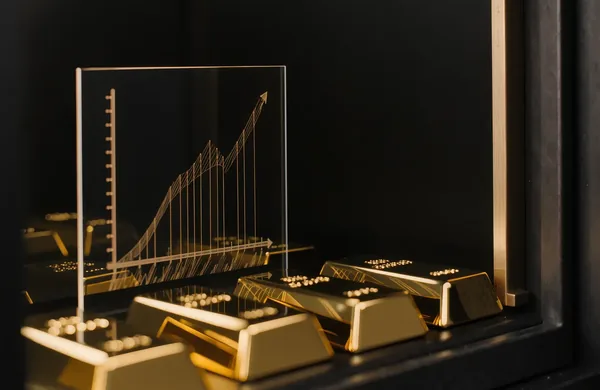
Before diving into the selling process, it is crucial to evaluate the market value of your gold. The price of gold fluctuates based on various factors, including global economic conditions, demand, and supply. Understanding these dynamics can empower sellers to make informed decisions.
Sellers should start by checking the current market price of gold per ounce or gram, which can be easily found through financial news outlets or dedicated websites. In addition to the market price, sellers should consider the intrinsic value of their gold items. This includes assessing the weight and purity of the gold, as well as any additional value from gemstones or craftsmanship.
For instance, a piece with a high karat rating will generally fetch a higher price than one with lower purity.
By conducting thorough research and gathering relevant information, sellers can establish a realistic price range for their gold items, ensuring they are not undervalued in the market.
Seeking Professional Appraisal
One of the most effective ways to determine the value of your gold is by seeking a professional appraisal. Appraisers are trained experts who can provide an accurate assessment based on various criteria, including weight, purity, and market trends. Engaging a professional not only offers peace of mind but also adds credibility to your selling process.
A certified appraisal can serve as a valuable document when negotiating with potential buyers. When selecting an appraiser, it is essential to choose someone reputable and experienced in gold valuation. Look for professionals who are members of recognized appraisal organizations or have certifications in precious metals.
A good appraiser will take the time to explain their evaluation process and provide you with a detailed report outlining the value of your gold items. This transparency builds trust and ensures you are well-informed before proceeding with any sale.
Researching the Current Market Trends
Understanding current market trends is vital for anyone looking to sell gold. The gold market is influenced by various factors, including economic indicators, geopolitical events, and changes in consumer demand. By staying informed about these trends, sellers can time their sales strategically to maximize profits.
For instance, during times of economic uncertainty, gold often sees increased demand as investors seek safe-haven assets. Sellers should also pay attention to seasonal trends that may affect gold prices. For example, demand for gold jewelry typically rises during holiday seasons or special occasions like weddings.
By aligning your selling strategy with these trends, you can enhance your chances of achieving a favorable sale price. Regularly monitoring market news and analysis will keep you informed and ready to act when conditions are right.
Considering the Historical Significance
The historical significance of gold items can play a crucial role in their value. Pieces that have historical importance or unique provenance may command higher prices due to their rarity and cultural relevance. For example, antique jewelry or items associated with significant events or figures can attract collectors willing to pay a premium for ownership.
When evaluating historical significance, consider factors such as age, craftsmanship, and any notable stories associated with the piece.
Documenting this history can enhance its appeal to potential buyers who appreciate not just the material value but also the story behind it. By highlighting these aspects during negotiations, sellers can create a compelling narrative that justifies a higher asking price.
Exploring Different Selling Options
Once you have assessed your gold's value and significance, it's time to explore different selling options. There are several avenues available for selling gold, each with its pros and cons. Traditional jewelry stores often offer immediate cash but may provide lower prices due to overhead costs.
Online marketplaces allow for broader exposure but require careful navigation to ensure secure transactions. Another option is to sell directly to gold buyers or dealers who specialize in precious metals. These buyers often have a better understanding of market values and may offer competitive prices.
Additionally, auction houses can be an excellent choice for unique or high-value items, as they attract serious collectors willing to bid competitively. Evaluating these options will help you choose the best route for your specific needs and goals.
Understanding the Weight and Purity of the Gold
A fundamental aspect of selling gold is understanding its weight and purity. Gold is measured in karats (K), with 24K being pure gold. The higher the karat rating, the more valuable the piece is likely to be.
Sellers should weigh their items accurately using a reliable scale to determine their total weight in grams or ounces. In addition to weight, purity plays a significant role in valuation. Gold items often contain alloys that affect their overall quality and worth.
For instance, 18K gold contains 75% pure gold and 25% other metals, while 14K contains 58.3% pure gold. Knowing these details allows sellers to present accurate information during negotiations and ensures they receive fair compensation based on their item's true value.
Identifying the Potential Buyers
Identifying potential buyers is a critical step in successfully selling your gold items. Different buyers have varying motivations and preferences when it comes to purchasing gold. Jewelry stores may focus on resale value and craftsmanship, while investors might prioritize weight and purity for investment purposes.
Understanding your target audience will help tailor your selling approach effectively. For instance, if you have antique jewelry with historical significance, collectors may be your best bet. On the other hand, if you possess scrap gold or broken jewelry, reaching out to gold dealers or refineries could yield better results.
By identifying potential buyers early on, you can streamline your selling process and increase your chances of securing a favorable deal.
Negotiating the Best Price
Negotiation is an essential skill when selling gold items. Once you have identified potential buyers and established a price range based on your research and appraisal, it's time to engage in discussions about pricing. Approach negotiations with confidence but remain open to dialogue; this balance can lead to mutually beneficial outcomes.
Be prepared to justify your asking price by presenting evidence from your appraisal and market research. Highlight any unique features or historical significance that may enhance value. Additionally, be aware of common negotiation tactics used by buyers; understanding these strategies will help you respond effectively and maintain control over the conversation.
Ensuring a Secure Transaction
Once you have agreed on a price with a buyer, ensuring a secure transaction is paramount. Whether selling online or in person, take precautions to protect yourself from potential scams or frauds. If meeting in person, choose a public location during daylight hours for added safety.
For online transactions, use reputable platforms that offer buyer protection policies. Always document the transaction thoroughly; receipts and written agreements provide essential proof of sale should any disputes arise later on. By prioritizing security throughout the transaction process, you can minimize risks and ensure a smooth experience.
Letting Go and Moving Forward
Finally, once you have successfully sold your gold items, it's time to let go and move forward. This step can be emotionally challenging for many sellers who may feel a sense of loss after parting with cherished pieces. However, it's essential to recognize that selling can also open new opportunities for growth and change.
Reflect on what this sale means for you personally—whether it's funding a new venture, paying off debt, or simply decluttering your life. Embrace this transition as a positive step toward new beginnings while cherishing the memories associated with your gold items. By focusing on the future rather than dwelling on what has been lost, you can move forward with renewed purpose and optimism.
In conclusion, selling gold involves navigating various emotional and practical considerations—from understanding its sentimental value to evaluating market trends and negotiating prices effectively. By following these steps diligently and remaining informed throughout the process, you can achieve a successful sale while honoring both the financial and emotional aspects of your decision.
Questions
Straight answers on Düsseldorf
What factors determine the value of gold jewelry in Düsseldorf?
The value of gold jewelry is primarily determined by the current market price of gold, the purity or karat of the gold, the weight of the piece, and any additional craftsmanship or gemstone value. Local demand and the reputation of the buyer can also influence the price offered.
How can I find a reputable place to sell gold jewelry in Düsseldorf?
To find a reputable buyer, look for established jewelry stores, pawnshops, or gold buyers with positive customer reviews and proper certifications. It is advisable to compare offers from multiple buyers and ensure they provide transparent pricing based on current gold rates.
Is it necessary to appraise my gold jewelry before selling it?
While not mandatory, getting an independent appraisal can help you understand the true value of your gold jewelry. This can provide a benchmark when negotiating with buyers and help separate emotional attachment from the actual market value.
How does emotional attachment affect selling gold jewelry?
Emotional attachment can make it difficult to accept the monetary value of gold jewelry, especially if it has sentimental significance. Recognizing this can help sellers make more objective decisions and avoid undervaluing or overvaluing their items.
What should I do to prepare my gold jewelry for sale?
Clean your gold jewelry gently to remove dirt and oils, but avoid any harsh chemicals or polishing that could alter its appearance. Gather any certificates or receipts if available, as these can help verify authenticity and increase buyer confidence.
Are there any taxes or fees involved when selling gold jewelry in Düsseldorf?
In Germany, private individuals selling gold jewelry typically do not pay VAT on the sale. However, if the sale results in a profit and occurs within a short period after purchase, capital gains tax may apply. It is advisable to consult a tax professional for specific circumstances.
Can I sell broken or damaged gold jewelry?
Yes, broken or damaged gold jewelry can still be sold, usually based on the gold content and weight rather than its condition. Some buyers specialize in purchasing scrap gold and may offer competitive prices.
How quickly can I sell my gold jewelry in Düsseldorf?
Selling gold jewelry can be a quick process, often completed within a day. After evaluation and agreement on price, payment is usually made immediately or within a short period, depending on the buyer’s policies.
Is it better to sell gold jewelry privately or through a dealer in Düsseldorf?
Selling through a dealer is generally faster and more secure, with immediate payment and professional evaluation. Private sales may yield higher prices but can take longer and involve more risk. Sellers should weigh convenience against potential profit.