Journal · From the houses
A. Lange & Söhne remembers Günter Blümlein, 25 years on
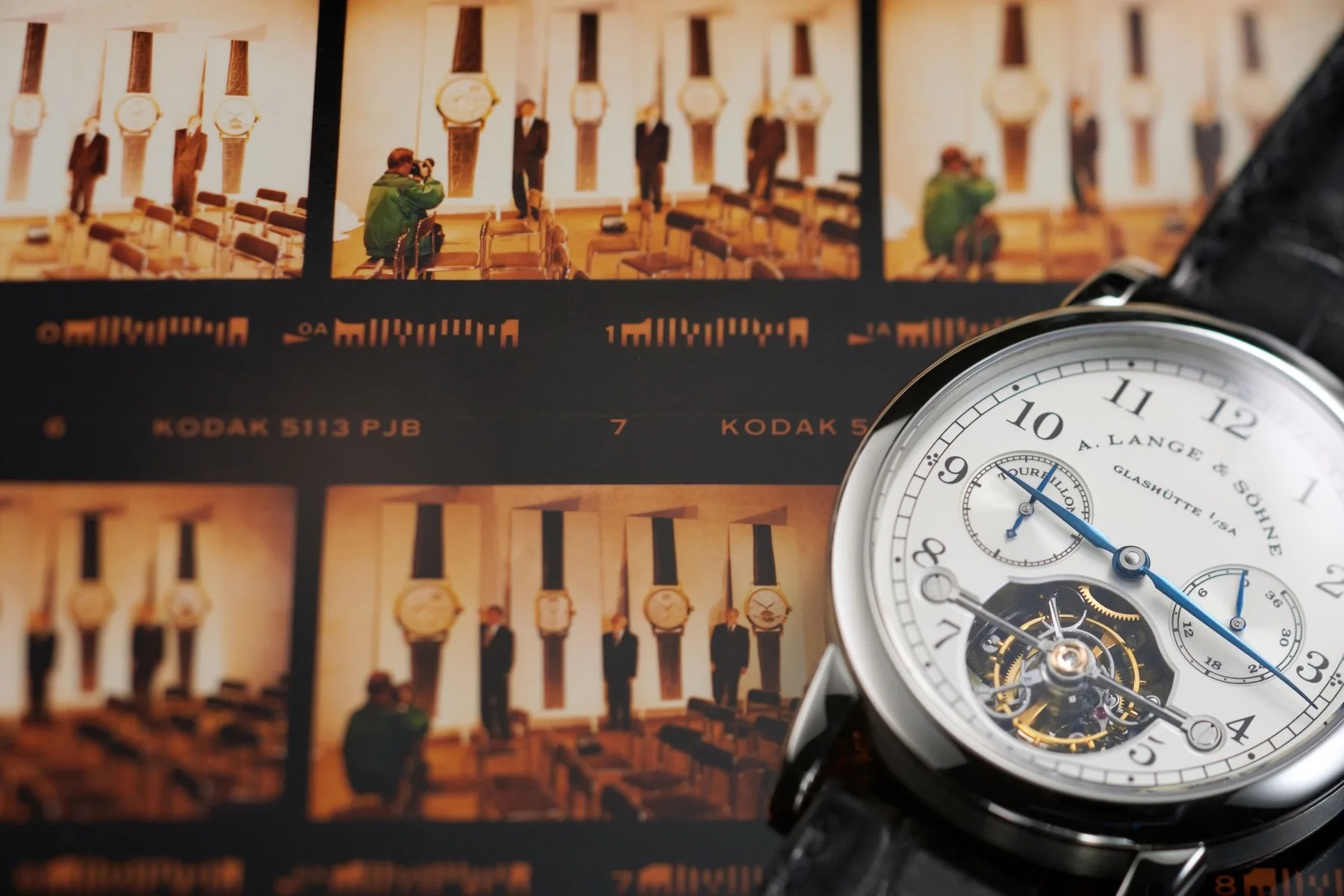
Günter Blümlein’s Tourbillon Pour le Mérite, number 1/50. Photo: A. Lange & Söhne
When the rebirth of A. Lange & Söhne is told, Walter Lange usually comes first. The Saxon manufacture now wants a second name said in the same breath. Twenty-five years after the sudden death of Günter Blümlein on 1 October 2001, A. Lange & Söhne is honouring the co-founder who, together with Walter Lange, brought the company back to the top of international precision watchmaking after German reunification.
The strategist from Nuremberg
Blümlein was born in Nuremberg in 1943 and studied precision engineering. He began his career at the Diehl Group, which had taken over the watch factory Junghans in the 1950s, and soon held senior positions in marketing and sales. Later VDO, which went on to become a Mannesmann subsidiary, put him in charge of reorganising IWC and Jaeger-LeCoultre, two brands grouped under the holding Les Manufactures Horlogères (LMH). Like much of the Swiss watch industry, both were suffering from the consequences of the quartz crisis. With strategic foresight and consistent brand management, Blümlein played a key role in the comeback of the Swiss mechanical watch.
Walter Lange, great-grandson of the founder Ferdinand Adolph Lange, put it bluntly: “Without Günter Blümlein, A. Lange & Söhne would no longer exist.” After a forced hiatus of more than forty years, the two revived the brand in 1990 and established Saxon precision watchmaking in Glashütte for a second time.
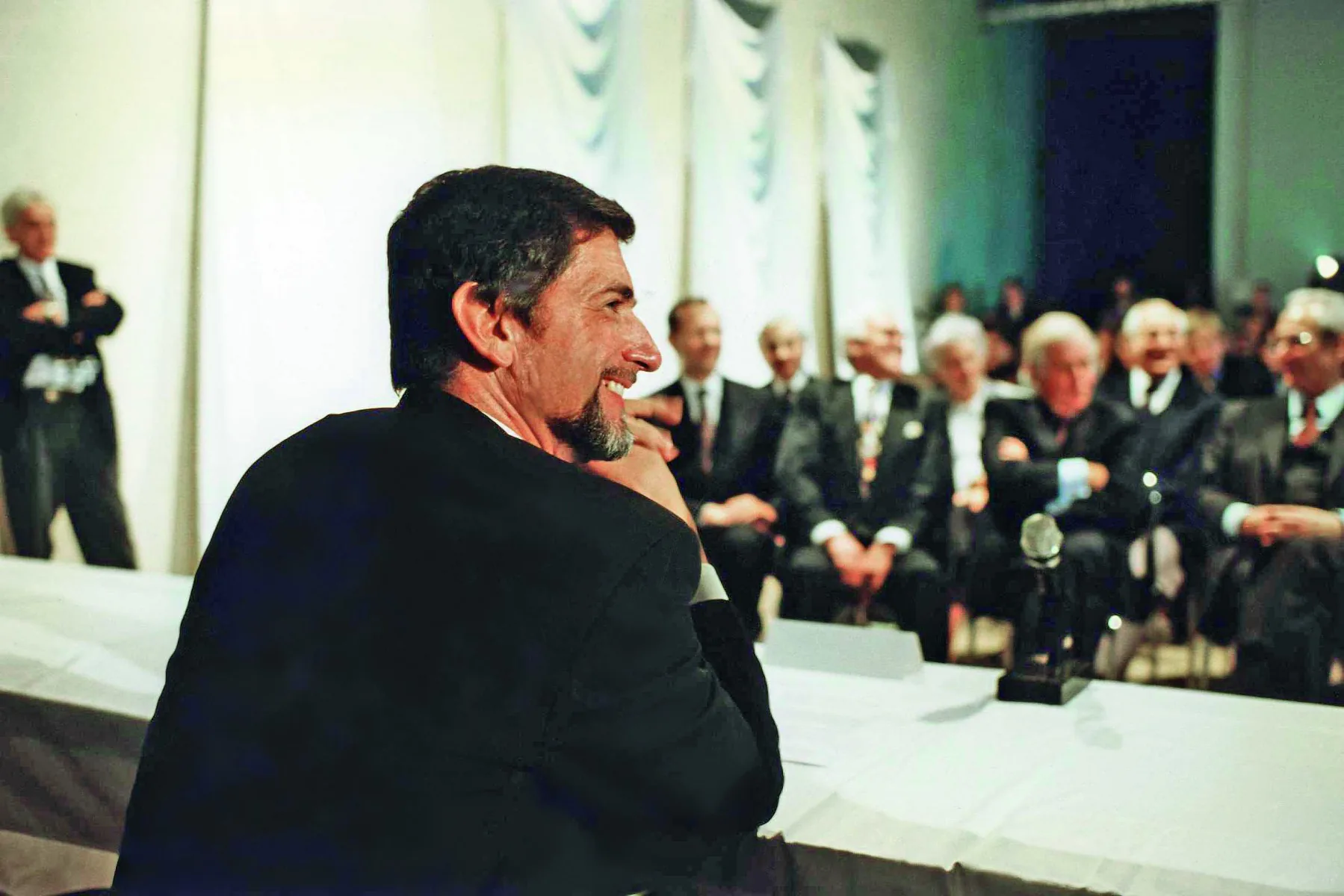
24 October 1994
The plan was to build on the history of the house. The quality of the historic Lange pocket watches was to form the basis of a brand and product philosophy centred on craftsmanship. Blümlein summed up the concept in one sentence: “A Lange watch is a complete work of art.”
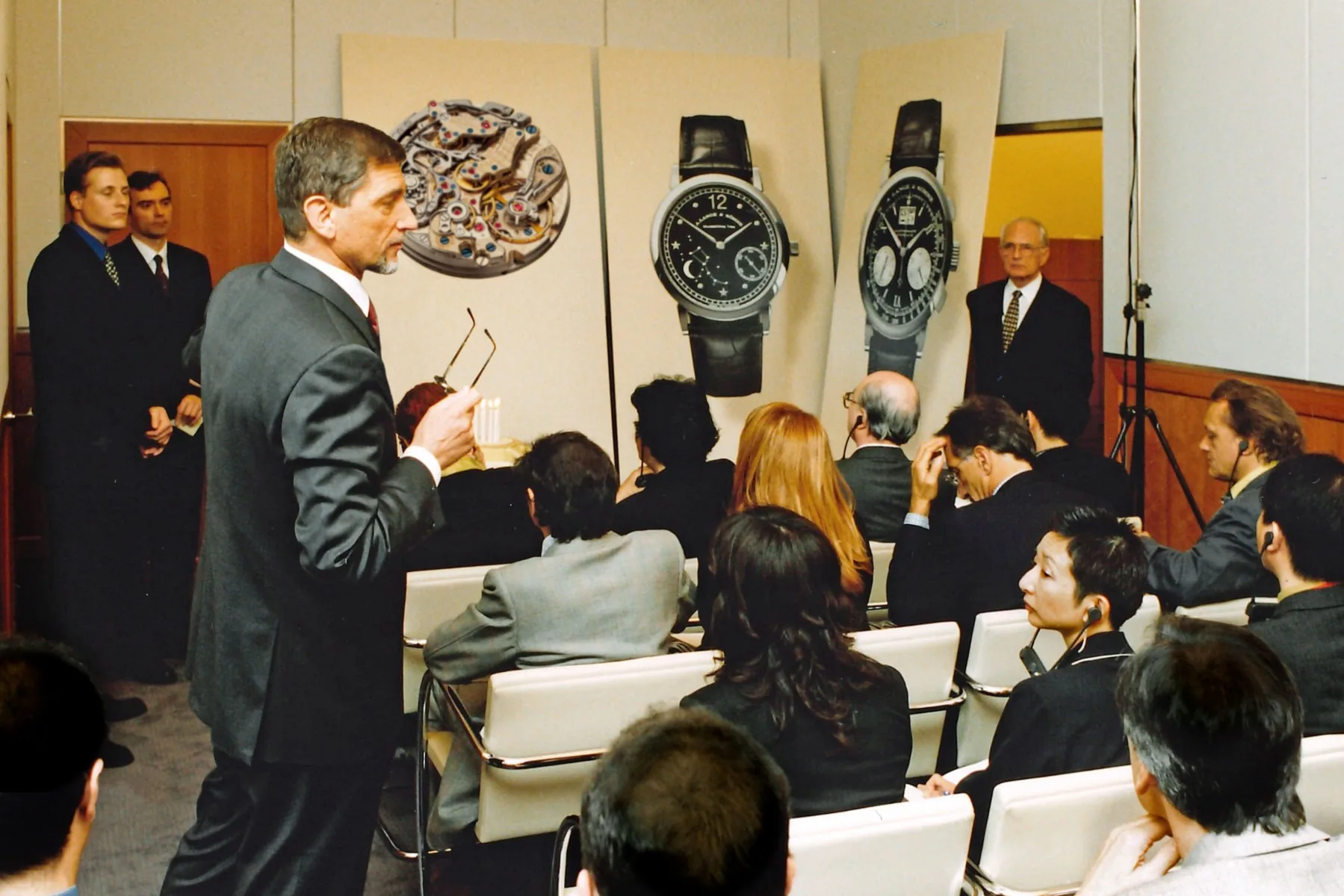
On 24 October 1994 the first four Lange wristwatches of the new era were unveiled at the Dresden Royal Palace. The model that did most for the revival was the Lange 1, with its off-centre dial and outsize date. Alongside it came the Tourbillon Pour le Mérite with a fusée-and-chain transmission, and the Arkade and Saxonia models. The watch shown at the top of this page is Blümlein’s own Tourbillon Pour le Mérite, number 1 of 50.
Datograph and Double Split
In 1999 followed the Datograph. At a time when chronograph movements designed and made in-house were the exception, its manufacture calibre set new standards. In 2004 came the Double Split, the first chronograph with a double rattrapante in the history of precision watchmaking. A second minute counter extended intermediate timing from 60 seconds to 30 minutes. It was also the first model with a balance spring developed and produced in-house, the basis for the independence of the manufacture in building new movements. Blümlein did not live to see its launch.
A relief in the workshop
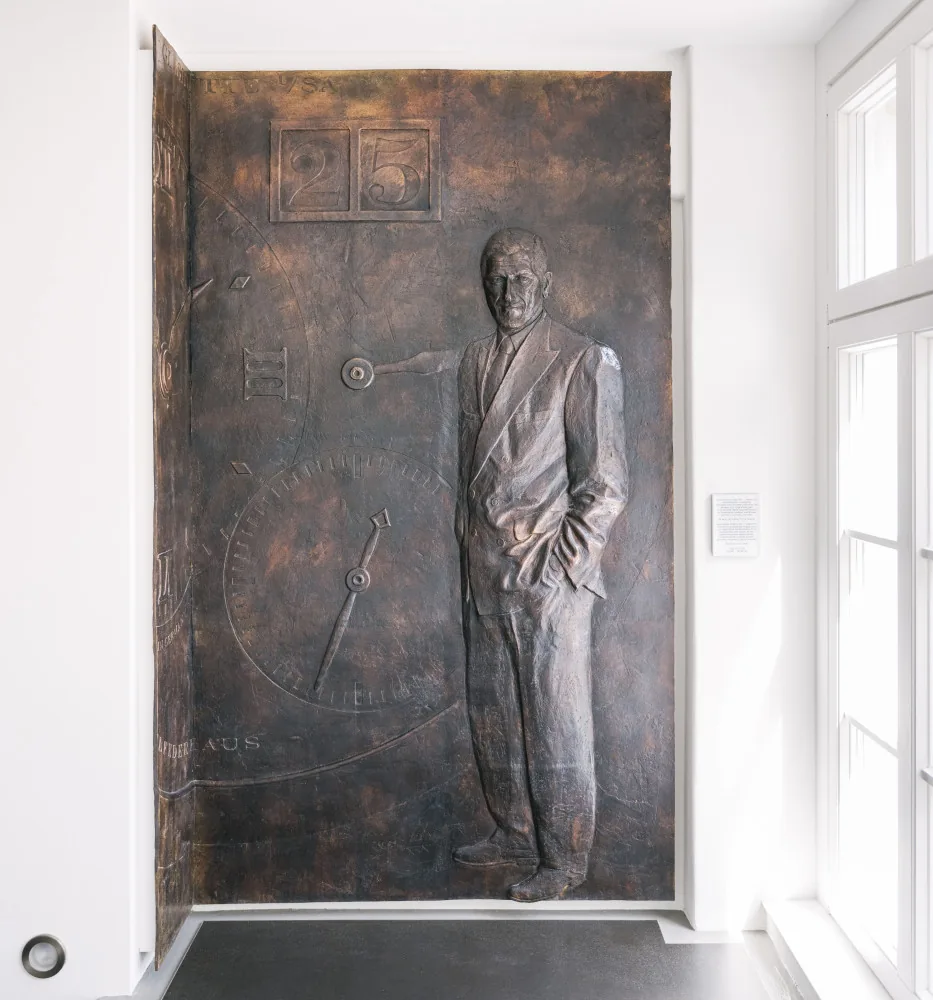
In the Lange II manufacture building, a bronze relief commemorates him. The piece by the Schaffhausen artist Beat Künzler was commissioned after his death and unveiled on the first anniversary in 2002. Behind his portrait appears the dial of the Lange 1. “Walter Lange was the heart, Günter Blümlein the brain behind A. Lange & Söhne,” says CEO Wilhelm Schmid.
What remains
The philosophy the two men set out still defines the house. Today A. Lange & Söhne makes only a few thousand wristwatches a year, mainly in gold or platinum, each with a movement developed in-house and finished and assembled by hand. Since 1990 the manufacture has produced 77 calibres of its own. For collectors of precious-metal watches, that is perhaps the most tangible part of Blümlein’s legacy.