Journal
Is Physical Silver the Ultimate Asymmetric Bet?
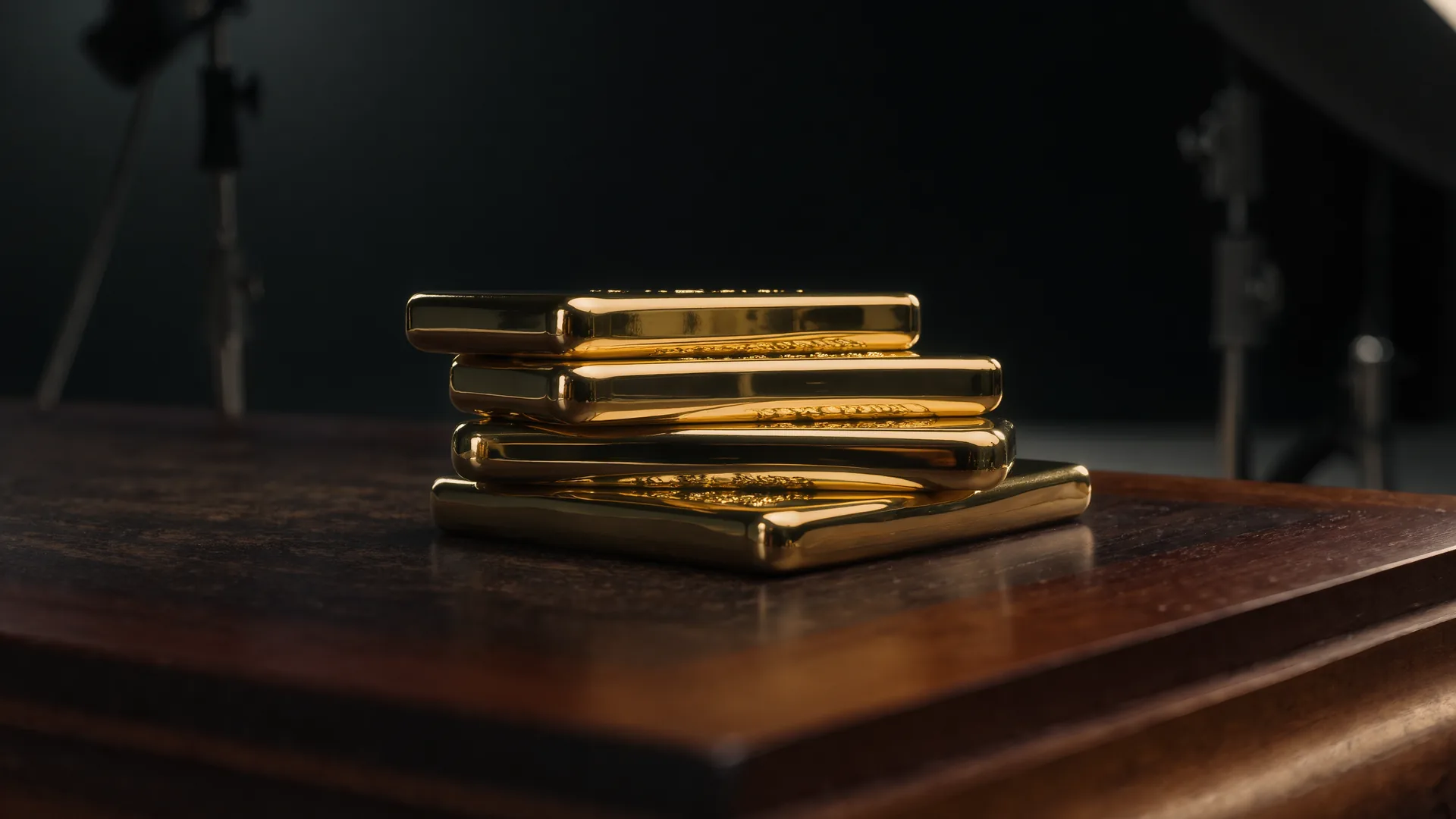
Physical silver encompasses tangible silver products such as coins, bars, and rounds that investors can physically possess. Unlike paper-based investments or digital currencies, physical silver provides concrete value and security. Throughout history, silver has functioned as currency and a wealth preservation vehicle for millennia, establishing its credibility as a long-term asset.
Investors frequently acquire physical silver as a potential safeguard against inflation and economic instability.
The ownership of physical silver enables portfolio diversification beyond conventional stocks and bonds.
It functions as a protective measure during market turbulence, offering a stable asset that potentially maintains value when other investments decline.
Silver's dual role as both a precious metal and an industrial material creates additional demand sources, contributing to its market value and utility.
The Case for Silver as an Asymmetric Bet
Investing in physical silver is often considered an asymmetric bet due to its potential for high returns relative to the risks involved. As an asset class, silver has historically shown significant price appreciation during economic downturns and periods of inflation. This characteristic makes it an attractive option for investors looking to capitalize on market inefficiencies.
The asymmetric nature of silver investment lies in its ability to provide substantial upside potential while limiting downside risk. Unlike stocks, which can plummet in value, physical silver tends to hold its worth better during economic crises. This unique quality positions silver as a strategic investment for those seeking to balance risk and reward effectively.
Historical Performance of Physical Silver
The historical performance of physical silver reveals its resilience and potential for growth. Over the past few decades, silver has experienced dramatic price fluctuations, often influenced by macroeconomic factors such as inflation rates, currency devaluation, and geopolitical tensions. For instance, during the 2008 financial crisis, silver prices surged as investors sought safe-haven assets.
Analyzing long-term trends, silver has outperformed many traditional investments during periods of economic instability. Its historical highs and lows illustrate the metal's volatility but also highlight its capacity for recovery and growth. Investors who have held physical silver over extended periods have often seen substantial returns, reinforcing the case for its inclusion in diversified portfolios.
Factors Affecting the Price of Physical Silver
Several factors influence the price of physical silver, making it essential for investors to stay informed about market dynamics. Supply and demand play a crucial role; when demand for silver increases—whether for industrial use or investment purposes—prices tend to rise. Conversely, an oversupply can lead to price declines.
Economic indicators such as inflation rates, interest rates, and currency strength also impact silver prices. For example, when inflation rises, investors often flock to precious metals like silver as a hedge against currency devaluation. Additionally, geopolitical events can create uncertainty in financial markets, prompting increased interest in physical silver as a safe-haven asset.
Risks Associated with Investing in Physical Silver
While investing in physical silver offers numerous benefits, it is not without risks. One significant risk is price volatility; silver prices can fluctuate dramatically based on market conditions. Investors must be prepared for potential downturns and understand that short-term price movements may not reflect the long-term value of their investment.
Another risk involves storage and security concerns. Physical silver requires safe storage solutions to prevent theft or loss. Investors must consider the costs associated with secure storage options, such as safety deposit boxes or home safes.
Additionally, liquidity can be an issue; selling physical silver may take time and effort compared to liquidating stocks or bonds.
Ways to Invest in Physical Silver
Investing in physical silver can be accomplished through various avenues, each with its advantages and disadvantages. One popular method is purchasing silver coins or bullion bars from reputable dealers. These tangible assets can be stored at home or in secure facilities.
Another option is investing in exchange-traded funds (ETFs) that track the price of silver. While these funds do not provide physical ownership, they offer exposure to silver's price movements without the need for storage or security concerns. Additionally, some investors choose to invest in mining stocks or mutual funds focused on silver mining companies, which can provide indirect exposure to the metal's performance.
Comparing Physical Silver to Other Asymmetric Bets
When evaluating physical silver as an asymmetric bet, it's essential to compare it with other investment options. Real estate, cryptocurrencies, and commodities are often considered alternative investments with asymmetric potential. However, each comes with unique risks and rewards.
Real estate can provide steady cash flow and appreciation but requires significant capital and ongoing management. Cryptocurrencies offer high volatility and potential returns but lack the historical stability of physical assets like silver. Commodities such as gold also serve as safe-haven investments but may not offer the same growth potential as silver during specific economic conditions.
Potential Upside of Investing in Physical Silver
The potential upside of investing in physical silver is significant, particularly during times of economic uncertainty. As a precious metal with intrinsic value, silver can act as a hedge against inflation and currency devaluation. Historical trends suggest that during financial crises, demand for silver often increases, driving prices higher.
Moreover, the industrial demand for silver continues to grow due to its applications in technology, renewable energy, and healthcare sectors. This increasing demand can further enhance the metal's value over time. Investors who recognize these trends may find substantial opportunities for profit by holding physical silver as part of their investment strategy.
Potential Downside of Investing in Physical Silver
Despite its advantages, investing in physical silver carries potential downsides that investors should consider. Price volatility remains a primary concern; while silver can appreciate significantly during certain periods, it can also experience sharp declines based on market sentiment or economic conditions. Additionally, the costs associated with buying and storing physical silver can impact overall returns.
Premiums on coins and bars can vary widely among dealers, affecting initial investment costs. Furthermore, selling physical silver may involve transaction fees or lower bid prices than expected, which could diminish profits when liquidating assets.
Expert Opinions on Physical Silver as an Asymmetric Bet
Experts in finance and precious metals often weigh in on the merits of investing in physical silver as an asymmetric bet. Many analysts highlight its historical performance during economic downturns and its role as a hedge against inflation. They argue that owning tangible assets like silver provides a sense of security that paper investments cannot match.
However, some experts caution against overexposure to any single asset class, including physical silver. Diversification remains a key principle in investment strategy; while silver can be a valuable component of a portfolio, it should not dominate an investor's holdings. Balancing physical silver with other assets can help mitigate risks while still capitalizing on its potential upside.
Is Physical Silver the Ultimate Asymmetric Bet?
In conclusion, physical silver presents a compelling case as an asymmetric bet for investors seeking diversification and protection against economic uncertainty. Its historical performance, intrinsic value, and growing industrial demand position it favorably within the investment landscape.
However, potential risks such as price volatility and storage concerns must be carefully considered.
Ultimately, whether physical silver is the ultimate asymmetric bet depends on individual investment goals and risk tolerance. By understanding the dynamics of this precious metal and incorporating it thoughtfully into a diversified portfolio, investors can harness its potential benefits while managing associated risks effectively. If you're ready to explore the world of physical silver investment further, consider consulting with a financial advisor or reputable dealer today!
Questions
Straight answers on is physical silver the ultimate asymmetric bet?
What does it mean for an investment to be an "asymmetric bet"?
An asymmetric bet in investing refers to a situation where the potential upside gains significantly outweigh the potential downside losses. This means the investment has a favorable risk-reward profile, offering the possibility of large returns with limited risk.
Why is physical silver considered an asymmetric bet?
Physical silver is considered an asymmetric bet because it has historically maintained intrinsic value, serves as a hedge against inflation and currency devaluation, and has industrial demand. Its price can potentially rise substantially during economic uncertainty, while the downside risk is limited to the amount invested.
How does physical silver differ from silver ETFs or mining stocks?
Physical silver involves owning the actual metal in the form of coins or bars, providing direct exposure without counterparty risk. Silver ETFs represent ownership in silver assets but may involve management fees and rely on the fund's structure. Mining stocks are shares in companies that extract silver, which introduces operational and market risks beyond the metal's price.
What are the risks associated with investing in physical silver?
Risks include price volatility, storage and insurance costs, potential liquidity issues, and the possibility of counterfeit products. Additionally, physical silver does not generate income like dividends or interest.
How can investors safely purchase and store physical silver?
Investors should buy from reputable dealers to ensure authenticity and consider secure storage options such as safe deposit boxes, home safes, or professional vault services. Proper documentation and insurance are also recommended.
Is physical silver a good hedge against inflation?
Physical silver has historically been used as a hedge against inflation because its value tends to rise when the purchasing power of fiat currencies declines. However, its effectiveness can vary depending on market conditions.
Can physical silver be considered a long-term investment?
Yes, many investors hold physical silver as a long-term store of value and portfolio diversifier. Its role as a tangible asset can provide protection during economic downturns and currency instability.
How does the industrial demand for silver impact its investment potential?
Silver's industrial uses in electronics, solar panels, and medical devices contribute to demand, which can support prices. This industrial demand adds a layer of fundamental value beyond its role as a precious metal.
What factors influence the price of physical silver?
Silver prices are influenced by supply and demand dynamics, economic conditions, inflation rates, currency strength, geopolitical events, and investor sentiment toward precious metals.
Should physical silver be a part of a diversified investment portfolio?
Many financial advisors recommend including physical silver as part of a diversified portfolio to reduce risk and provide exposure to a tangible asset that can perform differently from stocks and bonds.