Journal
The Overlooked Impact of Inflation on Investments

Inflation represents the general increase in prices of goods and services over time, directly reducing the purchasing power of currency. When inflation occurs, each unit of currency buys fewer goods and services than previously, creating a measurable impact on investment portfolios. This economic phenomenon requires careful consideration in investment planning and portfolio management.
Investment returns are typically measured in nominal terms, which reflect the actual percentage gain or loss without adjusting for inflation.
However, real returns, which account for inflation's effects, provide a more accurate assessment of an investment's true performance. The difference between nominal and real returns equals the inflation rate during the investment period.
Different asset classes respond variably to inflationary pressures. Fixed-income securities, such as bonds, generally experience declining real values during inflationary periods since their fixed interest payments lose purchasing power. Equities may provide some inflation protection through companies' ability to raise prices, though this varies by sector and market conditions.
Real assets, including real estate and commodities, often serve as inflation hedges due to their tangible nature and tendency to appreciate with rising prices. Historical data demonstrates inflation's significant impact on long-term investment outcomes. Periods of high inflation, such as the 1970s in the United States, substantially reduced real returns across multiple asset classes.
Conversely, low-inflation environments have generally supported positive real returns for diversified portfolios. Effective inflation management strategies include diversification across asset classes, allocation to inflation-protected securities, and regular portfolio rebalancing. Treasury Inflation-Protected Securities (TIPS) and similar instruments provide direct inflation protection by adjusting principal values based on inflation indices.
Understanding Inflation and its Effects on Investment Returns
Inflation refers to the rate at which the general level of prices for goods and services rises, leading to a decrease in purchasing power. It is typically measured by the Consumer Price Index (CPI) or the Producer Price Index (PPI). When inflation rises, the cost of living increases, which can directly affect consumer spending and, consequently, corporate profits.
This dynamic can lead to volatility in investment returns. The effects of inflation on investment returns are profound. For instance, if your investment portfolio yields a nominal return of 6% but inflation is at 3%, your real return is only 3%.
This means that while your investments may appear to be growing, their actual purchasing power is not increasing at the same rate. Understanding this relationship is crucial for investors who wish to maintain or grow their wealth over time.
Historical Examples of Inflation's Impact on Investments
Throughout history, there have been notable instances where inflation has dramatically affected investment outcomes. One prominent example is the hyperinflation experienced in Germany during the 1920s. The value of the German mark plummeted, rendering savings and fixed-income investments nearly worthless.
Investors who held tangible assets like real estate or commodities fared better during this tumultuous period. Another significant example occurred in the United States during the 1970s when inflation rates soared due to oil crises and economic instability. Investors who failed to adjust their portfolios faced substantial losses, while those who diversified into assets like gold and real estate saw their investments retain value.
These historical lessons underscore the importance of being vigilant about inflation's potential impact on your investment strategy.
The Importance of Factoring Inflation into Investment Strategies
Incorporating inflation considerations into your investment strategy is essential for long-term success. Many investors make the mistake of focusing solely on nominal returns without accounting for inflation's erosive effects. By factoring in inflation, you can develop a more realistic understanding of your investment performance and make better decisions.
One effective approach is to set specific financial goals that account for inflation. For example, if you aim to retire with a certain amount of savings, consider how inflation will affect that target over time. Adjusting your investment strategy accordingly can help ensure that you achieve your desired financial outcomes despite rising prices.
How Inflation Erodes the Real Value of Investments
Inflation erodes the real value of investments by diminishing purchasing power over time. This phenomenon affects various asset classes differently, but the underlying principle remains the same: as prices rise, the value of money decreases. For instance, if you invest $10,000 today and inflation averages 3% annually over 20 years, that amount will only have the purchasing power equivalent to about $5,400 in today's dollars.
This erosion can be particularly detrimental for fixed-income investments like bonds, which typically offer lower returns than equities.
As inflation rises, the fixed interest payments from bonds become less valuable in real terms, leading to potential losses for investors who do not adjust their portfolios accordingly.
Strategies for Protecting Investments from Inflation
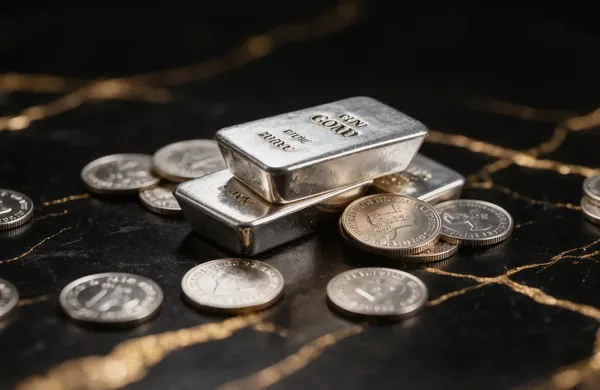
To protect your investments from inflation's adverse effects, consider implementing several strategies. One effective method is to invest in assets that historically perform well during inflationary periods. These may include commodities like gold and silver, which tend to retain value as prices rise.
Another strategy is to consider Treasury Inflation-Protected Securities (TIPS), which are designed specifically to guard against inflation. TIPS adjust their principal value based on changes in the CPI, ensuring that your investment keeps pace with rising prices. Additionally, diversifying your portfolio across various asset classes can help mitigate risks associated with inflation.
The Role of Diversification in Mitigating Inflation's Impact on Investments
Diversification is a fundamental principle of investing that can help shield your portfolio from inflation's negative effects. By spreading your investments across different asset classes—such as stocks, bonds, real estate, and commodities—you can reduce risk and enhance potential returns. During periods of high inflation, certain asset classes may outperform others.
For example, equities often provide better long-term growth potential compared to fixed-income investments during inflationary times. By diversifying your portfolio, you can capitalize on these trends while minimizing exposure to any single asset class's risks.
Inflation affects various types of investments differently. Stocks tend to be more resilient during inflationary periods because companies can often pass increased costs onto consumers through higher prices. This ability allows corporate profits to grow even as inflation rises.
Conversely, bonds are generally more vulnerable to inflation since they offer fixed interest payments that lose value in real terms as prices increase. Real estate can serve as a hedge against inflation because property values and rental income often rise with inflation. Understanding these dynamics can help you make informed decisions about where to allocate your resources.
Inflation-Adjusted Investment Options
Investors seeking protection against inflation should consider inflation-adjusted investment options. These include TIPS mentioned earlier, which provide a safeguard against rising prices by adjusting principal values based on CPI changes. Another option is investing in real estate investment trusts (REITs), which often benefit from rising property values and rental income during inflationary periods.
Additionally, commodities like gold and oil can serve as effective hedges against inflation due to their intrinsic value and demand dynamics.
The Relationship Between Inflation, Interest Rates, and Investment Performance
The relationship between inflation and interest rates is crucial for understanding investment performance. Central banks often respond to rising inflation by increasing interest rates to cool down economic activity. Higher interest rates can lead to lower bond prices and may also impact stock valuations as borrowing costs rise.
Investors must stay informed about these dynamics when making decisions about their portfolios. A proactive approach involves monitoring economic indicators and adjusting your investment strategy accordingly to navigate changing interest rate environments effectively.
Navigating the Impact of Inflation on Investments
Navigating the impact of inflation on investments requires a comprehensive understanding of its effects and proactive strategies for protection. By recognizing how inflation erodes purchasing power and affects various asset classes differently, you can make informed decisions that align with your financial goals. Incorporating diversification and considering inflation-adjusted investment options are essential steps in safeguarding your portfolio against rising prices.
As economic conditions evolve, staying informed about inflation trends and adjusting your strategy accordingly will empower you to protect and grow your wealth over time. Embrace these insights and take charge of your financial future today!
Questions
Straight answers on the overlooked impact of inflation on investments
What is inflation?
Inflation is the rate at which the general level of prices for goods and services rises, leading to a decrease in purchasing power over time.
How does inflation affect investments?
Inflation can erode the real returns on investments by reducing the purchasing power of the money earned, meaning investors may gain nominal returns but lose value in real terms.
What is meant by the "hidden cost" of inflation?
The hidden cost of inflation refers to the less obvious ways inflation impacts investors, such as increased tax burdens, reduced real income, and the erosion of long-term investment value that many investors may overlook.
Why do most investors ignore the hidden costs of inflation?
Many investors focus on nominal returns without adjusting for inflation, or they may underestimate how inflation affects taxes and the real value of their portfolios over time.
How can investors protect their portfolios from inflation?
Investors can protect against inflation by diversifying into assets that typically outpace inflation, such as real estate, commodities, inflation-protected securities, and stocks with pricing power.
What role do taxes play in the hidden cost of inflation?
Inflation can increase taxable income in nominal terms, pushing investors into higher tax brackets or increasing capital gains taxes, which reduces after-tax returns even if real gains are minimal.
Is inflation always bad for investors?
Not necessarily; moderate inflation can be a sign of a growing economy and can benefit certain asset classes, but high or unpredictable inflation generally poses risks to investment returns.
How can investors calculate the real return on their investments?
Real return is calculated by subtracting the inflation rate from the nominal return, providing a clearer picture of the actual increase in purchasing power.
What types of investments are most vulnerable to inflation?
Fixed-income investments like bonds and cash savings are typically more vulnerable because their returns may not keep pace with rising prices.
Can inflation impact retirement planning?
Yes, inflation can significantly affect retirement planning by increasing the cost of living and reducing the purchasing power of fixed retirement income, requiring adjustments in savings and withdrawal strategies.