Munich
Jewelry Appraisal in Munich: What Impacts Your Final Offer
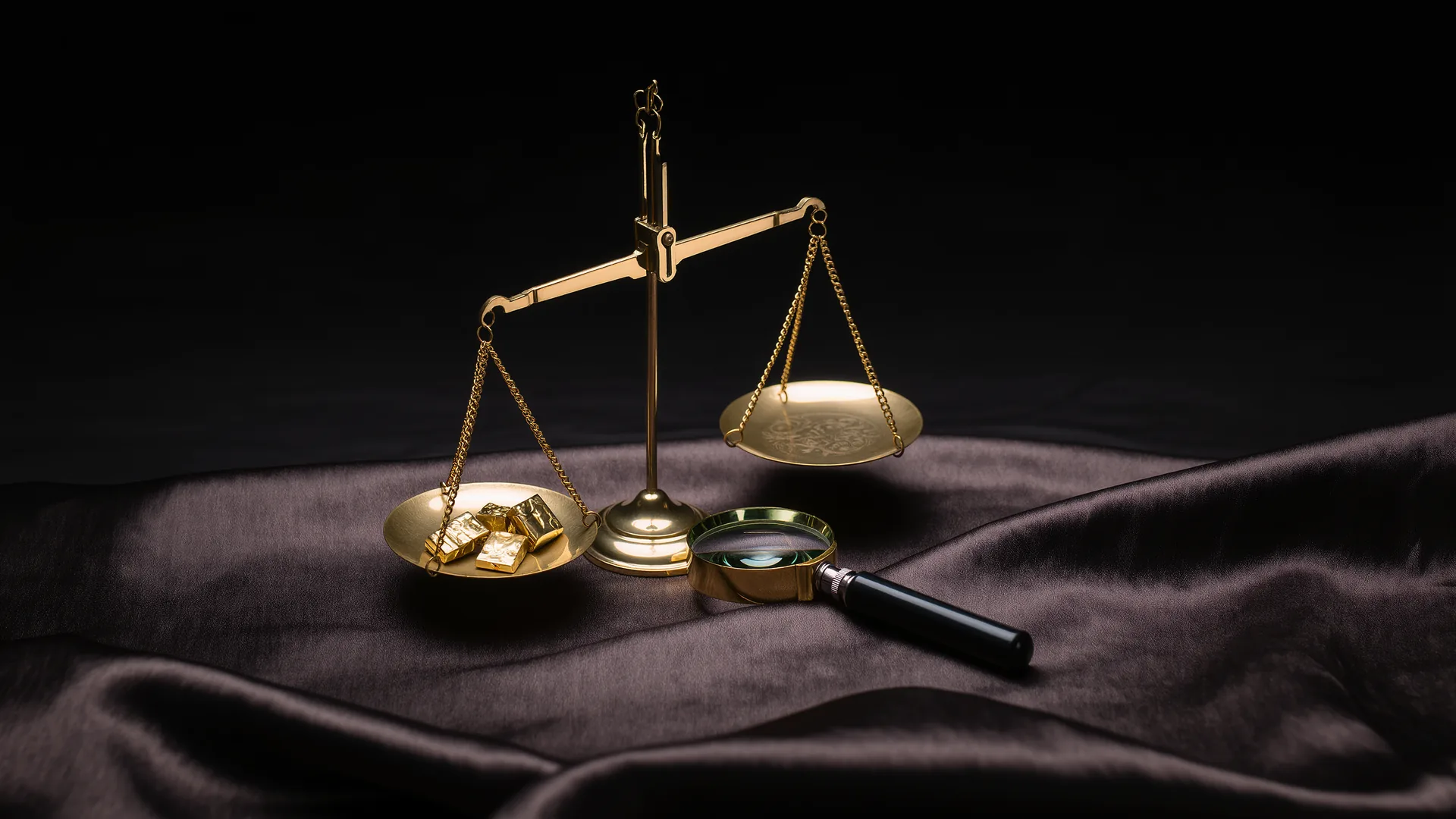
Jewelry appraisal is a professional assessment process that establishes the monetary value of precious items through systematic evaluation of materials, craftsmanship, and market conditions. This service applies to inherited pieces, recent acquisitions, and custom jewelry, providing documented valuations for multiple purposes. Professional appraisals serve several practical functions.
Insurance companies require current valuations to determine coverage limits and premium calculations. Estate planning relies on accurate assessments for tax purposes and asset distribution. Resale transactions benefit from documented valuations that establish fair market pricing.
The appraisal process involves examination of gemstones, precious metals, construction quality, and design elements. Certified appraisers utilize standardized grading systems, current market data, and specialized equipment to determine value. Documentation includes detailed descriptions, photographs, and replacement cost estimates based on current retail markets.
Regular reappraisals maintain accuracy as market values fluctuate over time. Industry standards recommend updates every three to five years for insurance purposes, or following significant market changes. This ensures coverage remains adequate and reflects current replacement costs for similar items in today's marketplace.
Factors Affecting Jewelry Appraisal
Several factors influence the appraisal of jewelry, and understanding them can help you grasp the value of your pieces better. The first factor is the quality of the gemstones used. Gemstones are evaluated based on the four Cs: cut, color, clarity, and carat weight.
Each of these elements plays a significant role in determining the overall value of the piece. For instance, a well-cut diamond with high clarity and color will fetch a higher price than one with noticeable inclusions or poor color. Another critical factor is the metal purity.
The type of metal used in the jewelry—be it gold, silver, or platinum—affects its market value. Higher purity levels generally lead to higher values. Additionally, the current market demand for specific metals can fluctuate, impacting the overall appraisal.
Understanding these factors can empower you to make informed decisions regarding your jewelry.
Gemstone Quality and Value
Gemstone quality is paramount in determining the value of jewelry. The four Cs—cut, color, clarity, and carat weight—are essential criteria that appraisers use to evaluate gemstones. A well-cut gemstone reflects light beautifully, enhancing its brilliance and overall appeal.
Color is another vital aspect; for instance, a vivid blue sapphire is more valuable than a pale one. Clarity refers to the presence of inclusions or blemishes; stones with fewer imperfections are generally more sought after. Carat weight also plays a significant role in valuation.
Larger gemstones are rarer and often command higher prices. However, it's essential to note that quality often outweighs size; a smaller stone with exceptional clarity and color can be more valuable than a larger stone with significant flaws. Understanding these aspects can help you appreciate your jewelry's worth and make informed decisions when buying or selling.
Metal Purity and Market Value
The purity of the metal used in jewelry significantly impacts its market value. Precious metals like gold, silver, and platinum are measured in karats or fineness. For example, 24-karat gold is considered pure gold, while 18-karat gold contains 75% gold and 25% other metals.
Higher purity levels typically result in higher values due to the intrinsic worth of the metal itself. Market trends also play a crucial role in determining metal values. Prices for precious metals can fluctuate based on global economic conditions, supply and demand dynamics, and geopolitical factors.
Keeping an eye on these trends can help you understand when to buy or sell your jewelry for maximum profit. A professional appraisal will take these factors into account, providing you with an accurate assessment of your jewelry's worth based on current market conditions.
Jewelry Design and Craftsmanship
The design and craftsmanship of jewelry significantly contribute to its overall value. Unique designs or pieces created by renowned designers often command higher prices due to their artistic merit and exclusivity. Handcrafted items typically carry more value than mass-produced pieces because they reflect the skill and effort of the artisan.
Additionally, intricate details such as engraving, filigree work, or unique settings can enhance a piece's appeal and value. Appraisers consider these elements when evaluating jewelry, as they indicate the level of craftsmanship involved in creating the piece. Understanding the importance of design and craftsmanship can help you appreciate your jewelry more deeply and recognize its true worth.
Historical and Provenance Considerations
The history and provenance of a piece can significantly affect its value. Jewelry with a rich history or that has belonged to notable figures often commands higher prices due to its unique story and significance. Provenance refers to the documented history of ownership; pieces with clear provenance are more desirable to collectors.
For instance, vintage or antique jewelry from specific eras—such as Art Deco or Victorian—can be highly sought after due to their historical context and unique styles. Appraisers take these factors into account when determining value, as they add layers of meaning to the piece beyond its material worth. Understanding the historical significance of your jewelry can enhance its sentimental value and market appeal.
Condition and Wear of the Jewelry
The condition of your jewelry plays a crucial role in its appraisal value. Well-maintained pieces typically fetch higher prices than those showing signs of wear or damage. Appraisers assess factors such as scratches, dents, or missing stones when evaluating condition.
Jewelry that has been regularly cleaned and cared for will generally retain its value better than neglected items. Additionally, some wear may be acceptable depending on the piece's age and style; vintage items may have a patina that adds character rather than detracts from value. Understanding how condition affects appraisal can help you maintain your jewelry properly and make informed decisions about repairs or restorations.
Market Trends and Demand
Market trends significantly influence jewelry appraisal values. The demand for specific styles, gemstones, or metals can fluctuate based on consumer preferences and economic conditions. For example, if colored gemstones become trendy, their values may rise accordingly.
Conversely, if certain styles fall out of favor, their market value may decrease. Staying informed about current trends can help you make strategic decisions regarding buying or selling your jewelry. A professional appraiser will consider these trends when providing an assessment, ensuring that you receive an accurate valuation based on current market conditions.
Understanding market dynamics can empower you to navigate the jewelry landscape effectively.
Appraisal Methodology and Expertise
The methodology used in jewelry appraisal is critical for ensuring accurate valuations. Professional appraisers employ various techniques to assess each piece's quality and worth systematically. They often start with visual inspections using magnification tools to examine gemstones for clarity and inclusions.
Next, they evaluate metal purity using testing methods such as acid tests or electronic testers. Appraisers also consider market data to provide context for their evaluations. Their expertise allows them to identify unique features that may enhance value, ensuring that you receive a comprehensive assessment of your jewelry's worth.
Appraisal Process and Documentation
The appraisal process involves several steps designed to ensure accuracy and transparency. Initially, the appraiser will conduct a thorough examination of your jewelry, assessing all relevant factors such as gemstone quality, metal purity, design elements, and condition. Once the evaluation is complete, the appraiser will compile a detailed report documenting their findings.
This report typically includes photographs of the piece, descriptions of its features, and an estimated market value based on current trends. Having this documentation is essential for insurance purposes or resale opportunities, providing you with a reliable record of your jewelry's worth.
Understanding the Final Offer
Understanding the final offer from an appraisal is crucial for making informed decisions about your jewelry. The final valuation reflects not only the intrinsic qualities of the piece but also current market conditions and demand trends. It's essential to recognize that appraised values may differ from retail prices; appraisals typically reflect wholesale values rather than retail markups.
If you're considering selling your jewelry based on the appraisal value, it's wise to consult with multiple buyers to gauge interest and offers accurately. A well-documented appraisal report can serve as a valuable tool in negotiations, ensuring that you receive fair compensation for your treasured items. In conclusion, understanding jewelry appraisal is vital for anyone who owns valuable pieces.
By recognizing the various factors that influence valuation—from gemstone quality to market trends—you can make informed decisions about buying, selling, or insuring your jewelry. Investing in professional appraisal services not only provides peace of mind but also enhances your appreciation for your collection. If you're ready to discover the true value of your jewelry or need assistance with an appraisal process, contact us today!
Our team of experienced appraisers is here to provide you with accurate assessments tailored to your needs.
Questions
Straight answers on Munich
What is jewelry appraisal?
Jewelry appraisal is the process of evaluating a piece of jewelry to determine its value based on factors such as materials, craftsmanship, condition, and market demand. It is typically conducted by a certified appraiser.
Why is jewelry appraisal important in Munich?
Jewelry appraisal in Munich is important for insurance purposes, resale, estate planning, or personal knowledge. Munich has a vibrant market for fine jewelry, making accurate appraisals essential for fair transactions.
What factors impact the final offer during a jewelry appraisal?
The final offer is influenced by the quality and authenticity of the materials (such as gold, diamonds, or gemstones), the craftsmanship, the brand or designer, the condition of the piece, current market trends, and demand in Munich’s jewelry market.
How is the value of gemstones determined in an appraisal?
Gemstone value is assessed based on the 4 Cs: cut, color, clarity, and carat weight. The rarity and origin of the gemstone also play a significant role in its valuation.
Can the appraisal value differ from the resale offer?
Yes, appraisal value often reflects replacement or insurance value, while resale offers consider market demand and the appraiser’s ability to resell the item, which may result in a lower offer.
Who should perform a jewelry appraisal in Munich?
A qualified and certified jewelry appraiser with experience in the Munich market should perform the appraisal to ensure accuracy and credibility.
How long does a jewelry appraisal typically take?
The appraisal process can take anywhere from 30 minutes to a few hours, depending on the complexity and number of items being appraised.
Is the appraisal report legally binding?
An appraisal report is a professional opinion of value and is not legally binding, but it is often accepted by insurance companies, buyers, and sellers as a reliable estimate.
How often should jewelry be appraised?
It is recommended to have jewelry appraised every 2-3 years or after significant market changes to ensure the valuation remains accurate.
Are appraisals confidential in Munich?
Yes, reputable appraisers maintain confidentiality regarding the details and values of your jewelry appraisal.