Journal
The Impact of Hyperinflation on Gold and Silver Prices

Hyperinflation is an economic phenomenon characterized by an extremely high and typically accelerating rate of inflation, often exceeding 50% per month. This drastic increase in prices erodes the purchasing power of currency, leading to a loss of confidence among consumers and investors.
The causes of hyperinflation are multifaceted, but they often stem from excessive money supply growth, usually due to government printing of money to finance deficits.
When a government resorts to this practice, it can lead to a vicious cycle where more money in circulation leads to higher prices, prompting further money printing. Another significant cause of hyperinflation is a collapse in the production of goods and services. When an economy faces disruptions—be it due to war, natural disasters, or political instability—the supply of goods diminishes.
As demand remains constant or increases, prices soar. Additionally, loss of confidence in a currency can trigger hyperinflation. If people believe that their currency will continue to lose value, they will spend it quickly, further driving up prices.
Understanding these causes is crucial for recognizing the potential risks and implications of hyperinflation on economies and investments.
Historical Examples of Hyperinflation and its Effects on Economies
Throughout history, there have been several notable instances of hyperinflation that have had devastating effects on economies. One of the most infamous examples is the Weimar Republic in Germany during the early 1920s. Following World War I, Germany faced enormous reparations payments, leading the government to print vast amounts of money.
As a result, prices skyrocketed; people needed wheelbarrows full of cash just to buy basic necessities like bread. The social fabric of the nation was torn apart as savings were wiped out, and trust in the government eroded. Another significant case occurred in Zimbabwe in the late 2000s.
The government printed money to fund various projects and pay off debts, leading to inflation rates that reached an astronomical 89.7 sextillion percent per month at its peak. The economy collapsed, and the local currency became virtually worthless. Citizens turned to foreign currencies for transactions, and many businesses closed their doors.
These historical examples illustrate how hyperinflation can devastate economies, leading to widespread poverty and social unrest.
The Relationship Between Hyperinflation and Precious Metals
The relationship between hyperinflation and precious metals is a critical one for investors seeking stability during economic turmoil. Precious metals like gold and silver have historically been viewed as safe-haven assets during periods of hyperinflation. When fiat currencies lose their value rapidly, investors often turn to tangible assets that retain intrinsic value.
This shift in investment behavior can drive up the demand for gold and silver, leading to increased prices. Moreover, precious metals are not subject to the same inflationary pressures as fiat currencies. They cannot be printed at will by governments, making them a reliable store of value during times of economic uncertainty.
As hyperinflation erodes purchasing power, individuals and institutions alike seek refuge in these metals, further solidifying their role as a hedge against inflation.
Gold as a Safe Haven During Hyperinflation
Gold has long been regarded as a safe haven during periods of hyperinflation due to its historical stability and intrinsic value. Unlike paper currency, which can be devalued by government actions, gold maintains its worth over time. During hyperinflationary periods, investors flock to gold as a means of preserving wealth.
This demand often drives up gold prices significantly. Additionally, gold has a unique quality that makes it appealing during economic crises: it is universally recognized and accepted across cultures and borders. This global acceptance allows individuals to trade gold easily, providing liquidity even when local currencies are failing.
As a result, many investors view gold not just as an investment but as a necessary safeguard against the unpredictable nature of hyperinflation.
Silver as a Hedge Against Hyperinflation
Silver also plays a vital role as a hedge against hyperinflation, complementing gold's status as a safe haven asset. While gold is often seen as a long-term store of value, silver has unique properties that make it attractive for both investment and industrial use. Its lower price point compared to gold allows more investors to enter the market, making it accessible for those looking to protect their wealth during economic instability.
Moreover, silver has significant industrial applications in electronics, solar energy, and medical devices, which can drive demand even in times of economic distress. As industries continue to grow and evolve, silver's intrinsic value remains strong. During hyperinflationary periods, the dual nature of silver—as both an investment asset and an industrial commodity—can provide additional stability and potential for price appreciation.
The Impact of Hyperinflation on Gold and Silver Prices
Hyperinflation typically leads to significant increases in the prices of gold and silver. As fiat currencies lose value rapidly, investors seek refuge in these precious metals, driving up demand and consequently their prices. Historical data shows that during periods of hyperinflation, gold prices often soar as people rush to protect their wealth from devaluation.
For instance, during Zimbabwe's hyperinflation crisis, gold prices skyrocketed as citizens sought alternatives to their collapsing currency. Similarly, during the Weimar Republic's hyperinflationary period, gold became a sought-after asset as people lost faith in their paper money. This trend underscores the importance of understanding how hyperinflation directly influences precious metal prices and highlights the potential for substantial returns for investors who act strategically during such times.
Factors That Influence Gold and Silver Prices During Hyperinflation
Several factors influence the prices of gold and silver during hyperinflationary periods. One primary factor is the level of inflation itself; as inflation rates rise sharply, so does the demand for precious metals as safe-haven assets. Additionally, geopolitical instability can exacerbate fears about currency devaluation, prompting more investors to flock to gold and silver.
Another critical factor is interest rates set by central banks. During hyperinflation, central banks may struggle to control rising prices through monetary policy adjustments. If interest rates remain low or negative in real terms (after accounting for inflation), the opportunity cost of holding non-yielding assets like gold and silver diminishes, further driving up their prices.
Understanding these dynamics is essential for investors looking to navigate the complexities of precious metal markets during hyperinflation.
The Role of Supply and Demand in Determining Precious Metal Prices During Hyperinflation
Supply and demand dynamics play a crucial role in determining precious metal prices during hyperinflationary periods. As demand for gold and silver surges due to economic uncertainty, supply constraints can lead to even higher price increases. Mining operations may struggle to keep pace with rising demand if production costs increase or if geopolitical issues disrupt supply chains.
Moreover, central banks may also influence supply by adjusting their reserves or engaging in buying or selling activities in response to market conditions. When central banks increase their holdings of gold as a hedge against inflation or economic instability, it can further tighten supply in the market. This interplay between supply and demand is vital for understanding price movements in precious metals during times of hyperinflation.
The Influence of Government Policies on Gold and Silver Prices During Hyperinflation
Government policies significantly impact gold and silver prices during hyperinflationary periods. Central banks may implement measures such as quantitative easing or currency controls that can affect investor sentiment towards precious metals. For instance, if a government prints excessive amounts of money to finance spending without backing it with tangible assets like gold or silver, it can lead to a loss of confidence in the currency.
Additionally, regulatory changes regarding ownership or trading of precious metals can also influence market dynamics. In some cases, governments may impose restrictions on buying or selling gold and silver during economic crises to stabilize their currencies or control capital flight. Such policies can create volatility in precious metal markets and affect investor strategies during hyperinflation.
Strategies for Investing in Gold and Silver During Hyperinflation
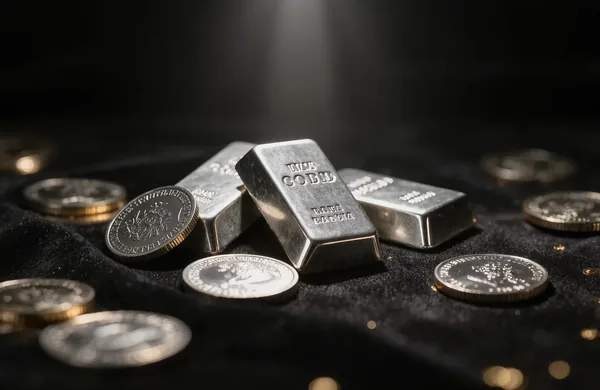
Investing in gold and silver during hyperinflation requires strategic planning and awareness of market conditions. One effective strategy is diversifying your portfolio by including both physical metals (like coins or bars) and financial instruments (such as ETFs or mining stocks). This approach allows investors to benefit from price appreciation while also maintaining liquidity.
Another strategy involves staying informed about global economic trends and geopolitical developments that could impact precious metal prices. Monitoring inflation rates, central bank policies, and supply chain disruptions can provide valuable insights into potential price movements. Additionally, dollar-cost averaging—investing fixed amounts at regular intervals—can help mitigate risks associated with market volatility.
The Long-Term Outlook for Gold and Silver Prices in the Face of Hyperinflation
The long-term outlook for gold and silver prices amid potential hyperinflation remains optimistic for many analysts. Historically, both metals have demonstrated resilience during economic crises, often recovering quickly after periods of instability. As global debt levels continue to rise and central banks adopt aggressive monetary policies, concerns about future inflation persist.
Furthermore, increasing demand for precious metals from both investors seeking safe havens and industries requiring silver for technological applications suggests that prices may continue to rise over time.
While short-term fluctuations are inevitable due to market dynamics, the fundamental value proposition of gold and silver as hedges against inflation remains strong.
In conclusion, understanding hyperinflation's causes and effects is essential for navigating its impact on economies and investments in precious metals like gold and silver.
By recognizing historical examples and analyzing current market conditions, investors can develop strategies that leverage these assets' unique properties during times of economic uncertainty.
Questions
Straight answers on the impact of hyperinflation on gold and silver prices
What is hyperinflation?
Hyperinflation is an extremely rapid and out-of-control rise in prices, typically exceeding 50% per month. It drastically reduces the purchasing power of a currency, causing money to lose value quickly.
How does hyperinflation affect gold prices?
During hyperinflation, gold prices generally increase significantly. As the value of paper currency plummets, investors often turn to gold as a store of value and a hedge against inflation, driving up demand and prices.
How does hyperinflation impact silver prices?
Silver prices also tend to rise during hyperinflation, although often not as dramatically as gold. Silver is considered both a precious metal and an industrial commodity, so its price is influenced by inflation and industrial demand.
Why do investors buy gold and silver during hyperinflation?
Investors buy gold and silver during hyperinflation because these metals retain intrinsic value and are not subject to the same depreciation as fiat currencies. They serve as a safe haven to preserve wealth when currency values collapse.
Can gold and silver prices fall during hyperinflation?
While rare, gold and silver prices can fall if there is a loss of confidence in the metals themselves or if governments impose controls on precious metal ownership. However, historically, these metals have generally increased in value during hyperinflationary periods.
Is investing in gold and silver a guaranteed protection against hyperinflation?
No investment is completely risk-free. While gold and silver have historically been effective hedges against hyperinflation, their prices can be volatile, and market conditions can vary. Diversification and careful consideration are important.
How quickly do gold and silver prices respond to hyperinflation?
Gold and silver prices can respond rapidly to hyperinflation as investors seek to protect their wealth. However, the timing and magnitude of price changes depend on the severity of inflation and market dynamics.
Are there historical examples of gold and silver price changes during hyperinflation?
Yes, historical examples include the hyperinflation in Weimar Germany in the 1920s and Zimbabwe in the 2000s, where gold and silver prices rose sharply as the local currencies lost value.
What factors influence gold and silver prices besides hyperinflation?
Other factors include global economic conditions, interest rates, currency strength, geopolitical events, supply and demand dynamics, and investor sentiment.
How can individuals invest in gold and silver during times of hyperinflation?
Individuals can invest through physical bullion (coins and bars), exchange-traded funds (ETFs), mining stocks, or futures contracts. Physical ownership is often preferred during hyperinflation for direct control over assets.