Journal
The Great Silver Suppression: Are Banks Manipulating Prices Right Now?
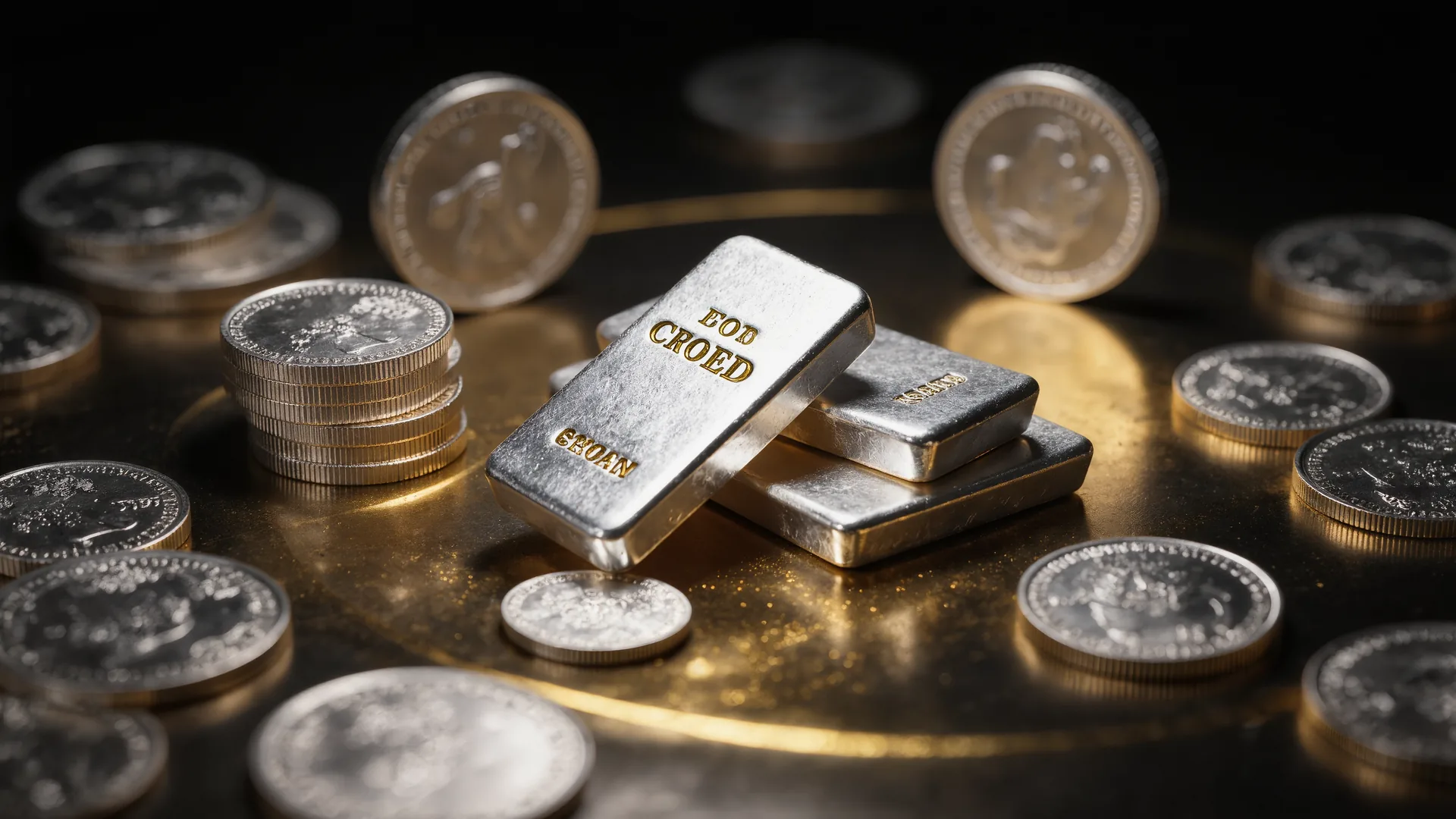
The Great Silver Suppression refers to a long-standing phenomenon where the price of silver has been artificially kept low through various manipulative practices. This suppression has significant implications for investors, traders, and the overall market. Understanding the dynamics of silver price manipulation is crucial for anyone involved in precious metals, as it affects not only the value of silver but also the broader economic landscape.
The manipulation of silver prices has been a contentious issue, raising questions about market integrity and the ethical responsibilities of financial institutions. As we delve deeper into this topic, we will explore its historical context, evidence of manipulation, and its far-reaching effects on investors and the market. The manipulation of silver prices is not merely an isolated incident; it is part of a larger narrative involving financial institutions and regulatory bodies.
The history of silver price manipulation reveals a complex interplay between market forces and institutional interests. By examining this history, we can better understand the motivations behind such actions and their consequences. The implications of these manipulative practices extend beyond mere price fluctuations; they can undermine investor confidence and distort market dynamics.
As we navigate through this article, we will uncover the layers of this issue and provide insights into how it affects various stakeholders in the silver market.
History of Silver Price Manipulation
The history of silver price manipulation dates back several decades, with notable events that have shaped the current landscape. In the late 19th century, the debate over the gold standard versus bimetallism highlighted the importance of silver as a monetary asset. However, as the 20th century progressed, various financial institutions began to exert control over silver prices, often to serve their own interests.
The establishment of the London Silver Market in the 1970s marked a significant turning point, as it became a hub for trading and price-setting. Throughout the 1980s and 1990s, several incidents raised eyebrows regarding potential manipulation. The infamous Hunt brothers' attempt to corner the silver market in 1980 led to a dramatic price spike followed by a crash.
This event underscored the volatility of silver prices and the potential for manipulation by powerful entities. As we moved into the 21st century, technological advancements and increased access to information have made it easier for investors to scrutinize market activities, yet manipulation persists.
Evidence of Banks Manipulating Silver Prices
Evidence of banks manipulating silver prices has emerged from various investigations and reports over the years. Regulatory bodies have scrutinized trading practices that suggest collusion among major financial institutions. For instance, in 2014, a class-action lawsuit was filed against several banks, alleging that they had engaged in coordinated efforts to suppress silver prices through deceptive trading practices.
This lawsuit brought to light internal communications that hinted at collusion among traders.
Moreover, whistleblowers from within these institutions have come forward with claims that certain banks have used their influence to manipulate silver prices for profit. These allegations are supported by data showing unusual trading patterns that coincide with significant price movements.
The evidence suggests a systematic approach to price suppression, raising concerns about market integrity and fairness.
Impact of Silver Price Manipulation on the Market
The impact of silver price manipulation on the market is profound and multifaceted. First and foremost, it creates an environment of uncertainty for investors. When prices are artificially suppressed, it distorts the true value of silver as an asset, leading to misinformed investment decisions.
This can result in significant financial losses for individual investors who rely on accurate pricing to guide their strategies. Additionally, manipulation undermines trust in the financial system as a whole. When investors perceive that prices are being manipulated by powerful entities, they may withdraw from the market or seek alternative investments.
This can lead to decreased liquidity and increased volatility, further exacerbating the challenges faced by genuine investors. The long-term consequences of such manipulation can hinder the growth and stability of the silver market.
Regulatory Response to Silver Price Manipulation
In response to allegations of silver price manipulation, regulatory bodies have taken steps to investigate and address these issues. The Commodity Futures Trading Commission (CFTC) has been at the forefront of these efforts, conducting inquiries into trading practices that may indicate manipulation. In some cases, fines have been levied against banks found guilty of engaging in deceptive practices.
However, critics argue that regulatory responses have often been insufficient. Many believe that more stringent regulations are necessary to ensure transparency and accountability in the silver market. Calls for reform have intensified as investors demand greater oversight to protect their interests.
The challenge lies in balancing regulation with market freedom while ensuring that manipulative practices are effectively curtailed.
Current State of Silver Price Manipulation
The current state of silver price manipulation remains a contentious issue within financial circles. While some progress has been made in terms of regulatory oversight, reports continue to surface regarding suspicious trading activities among major banks. The rise of digital trading platforms has also introduced new complexities, making it more challenging to monitor and regulate market activities effectively.
Moreover, geopolitical factors and economic uncertainties can exacerbate price manipulation efforts. As global demand for silver fluctuates due to industrial uses and investment trends, banks may be incentivized to manipulate prices to protect their interests or hedge against losses. This ongoing dynamic underscores the need for vigilance among investors and regulators alike.
Effects on Silver Investors and Traders
The effects of silver price manipulation on investors and traders are significant and often detrimental. For individual investors, manipulated prices can lead to poor investment decisions based on inaccurate information about silver's true value. This can result in financial losses that could have been avoided with transparent pricing.
Traders also face challenges in navigating a manipulated market. When prices do not reflect genuine supply and demand dynamics, it becomes difficult for traders to develop effective strategies. This uncertainty can lead to increased risk and volatility in trading outcomes.
As a result, many traders may choose to limit their exposure to silver or seek alternative markets where they perceive less risk of manipulation.
Potential Consequences for Banks Involved in Silver Price Manipulation
The potential consequences for banks involved in silver price manipulation can be severe. Legal repercussions may include hefty fines and sanctions imposed by regulatory bodies. In some cases, banks may face class-action lawsuits from aggrieved investors seeking restitution for losses incurred due to manipulative practices.
Beyond legal consequences, reputational damage can be significant for banks found guilty of manipulating silver prices. Trust is paramount in financial markets, and any indication of wrongdoing can lead to a loss of client confidence. This can result in decreased business opportunities and long-term damage to a bank's brand image.
Calls for Transparency and Accountability in the Silver Market
In light of ongoing concerns about silver price manipulation, there have been increasing calls for transparency and accountability within the silver market. Investors are advocating for clearer reporting standards that would require banks and trading institutions to disclose their trading activities more comprehensively. Moreover, there is a growing demand for independent oversight bodies that can monitor trading practices without conflicts of interest.
By establishing mechanisms for greater transparency, stakeholders hope to restore trust in the silver market and create an environment where fair pricing prevails.
Strategies for Protecting Against Silver Price Manipulation
Investors looking to protect themselves against silver price manipulation can adopt several strategies. First, diversifying their investment portfolio can help mitigate risks associated with any single asset class, including silver. By spreading investments across various assets, investors can reduce their exposure to potential losses from manipulated prices.
Additionally, staying informed about market trends and regulatory developments is crucial for making informed decisions. Investors should seek out reputable sources of information and consider working with financial advisors who specialize in precious metals. Utilizing tools such as technical analysis can also help investors identify potential price movements based on genuine market signals rather than manipulated trends.
Outlook for the Future of Silver Price Manipulation
The outlook for the future of silver price manipulation remains uncertain but hopeful. As awareness grows regarding manipulative practices, there is potential for increased regulatory scrutiny and reform within the industry. Investors are becoming more educated about their rights and are demanding greater accountability from financial institutions.
Technological advancements may also play a role in combating manipulation by providing tools for better monitoring and analysis of trading activities. As more individuals engage with digital platforms for trading silver, there is an opportunity for greater transparency through blockchain technology and other innovations. In conclusion, while challenges remain regarding silver price manipulation, there is a collective movement toward ensuring fair practices within the market.
By advocating for transparency and employing protective strategies, investors can navigate this complex landscape with greater confidence as they look toward a more equitable future in silver trading.
Questions
Straight answers on the great silver suppression
What is silver price suppression?
Silver price suppression refers to the theory that certain entities, such as banks or large financial institutions, intentionally manipulate the market to keep silver prices artificially low.
Why do people believe banks manipulate silver prices?
Some investors and analysts believe banks manipulate silver prices to protect their own financial interests, hedge other investments, or maintain stability in related markets. They argue that large-scale selling or shorting of silver futures contracts can suppress prices.
How is silver price manipulation alleged to occur?
Alleged manipulation may involve coordinated selling of silver futures contracts, spreading misleading information, or using large financial resources to influence market sentiment and prices.
Are there any investigations into silver price manipulation?
Yes, regulatory bodies such as the Commodity Futures Trading Commission (CFTC) and the Department of Justice (DOJ) have investigated allegations of precious metals market manipulation, including silver, though proving manipulation is complex.
What impact does silver price suppression have on investors?
If silver prices are suppressed, investors may face lower returns on silver investments. It can also affect mining companies, silver-related industries, and market confidence.
Is there evidence that silver prices are currently being manipulated?
While there are ongoing debates and some anecdotal claims, definitive public evidence of current manipulation is limited. Market dynamics, supply and demand, and global economic factors also influence silver prices.
How can investors protect themselves from potential price manipulation?
Investors can diversify their portfolios, stay informed about market conditions, use reputable sources for information, and consider long-term investment strategies rather than reacting to short-term price movements.
What role do regulatory agencies play in preventing silver price manipulation?
Regulatory agencies monitor trading activities, enforce market rules, investigate suspicious behavior, and impose penalties to maintain fair and transparent markets.
Can silver price suppression affect the broader economy?
Significant manipulation could distort market signals, potentially impacting investment decisions, industrial usage, and economic sectors linked to precious metals, though the broader economic effect is generally limited.
Where can I find reliable information about silver prices and market trends?
Reliable information can be found through financial news outlets, official commodity exchanges, government reports, and analyses from reputable financial institutions and market experts.