Journal
Gold: The Resurgence of the Barbarous Relic
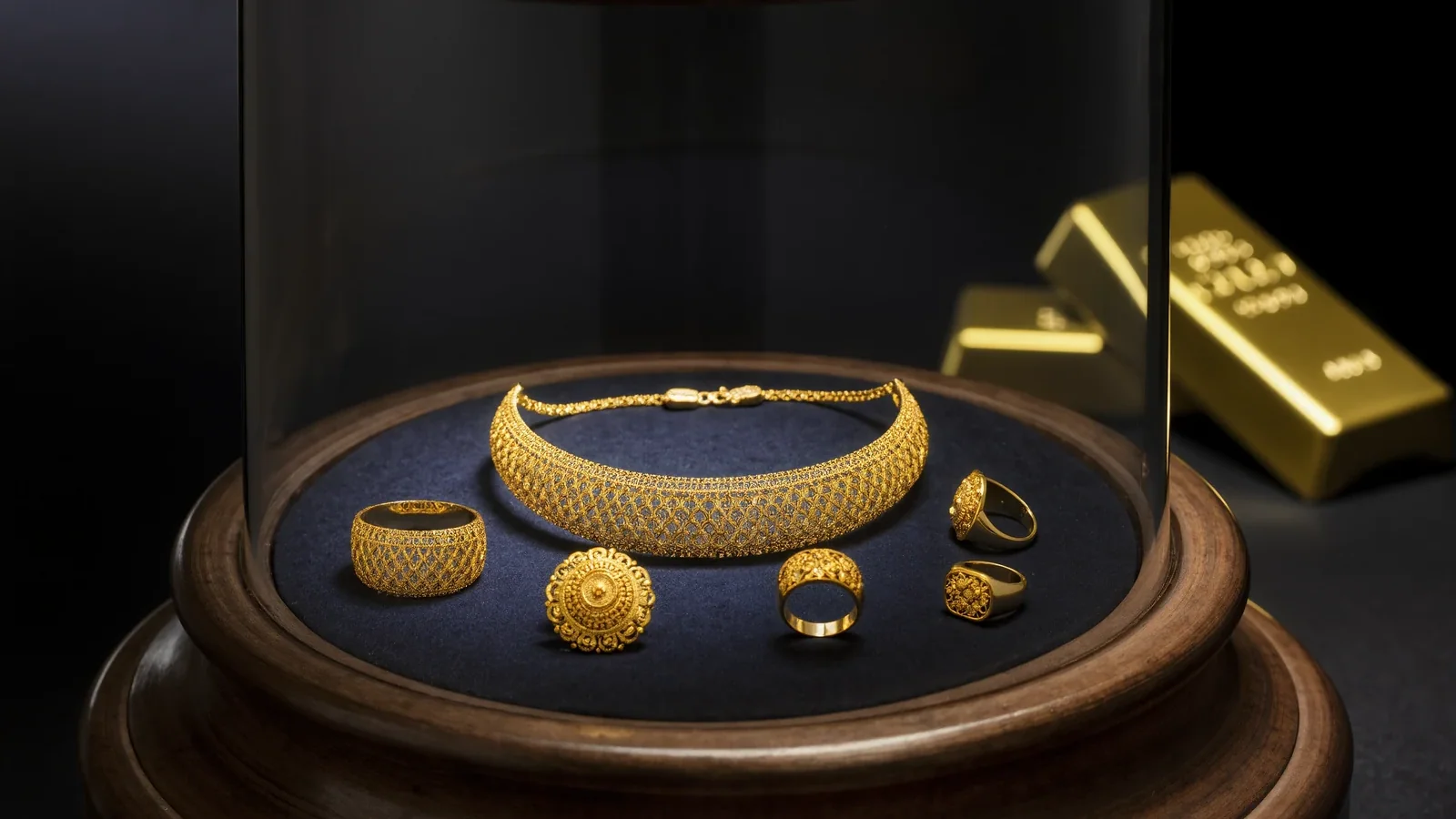
Gold has been a symbol of wealth and a medium of exchange for thousands of years. Its journey as a currency began in ancient civilizations, where it was used in trade and commerce due to its intrinsic value and rarity. The Egyptians, for instance, utilized gold in their jewelry and burial artifacts, signifying its importance in their culture.
By the time of the Roman Empire, gold coins became a standard form of currency, facilitating trade across vast territories. The durability and divisibility of gold made it an ideal choice for transactions, leading to its widespread acceptance. As societies evolved, so did the use of gold.
The establishment of the gold standard in the 19th century marked a significant milestone, linking currency values directly to gold reserves. This system provided stability and trust in monetary transactions, allowing countries to trade more efficiently. However, the reliance on gold also created vulnerabilities, as economic fluctuations could impact the value of currencies tied to it.
Despite these challenges, gold remained a cornerstone of financial systems for centuries, shaping the way economies functioned.
The Decline of Gold as a Currency
The decline of gold as a currency can be traced back to the early 20th century when countries began to abandon the gold standard. The Great Depression highlighted the limitations of this system, as nations struggled to maintain gold reserves while trying to stimulate their economies. In 1933, the United States officially abandoned the gold standard, leading to a shift towards fiat currencies—money that holds value by government decree rather than intrinsic worth.
This transition allowed for greater flexibility in monetary policy but also diminished the role of gold in everyday transactions.
As global economies grew more complex, the reliance on gold diminished further.
The rise of digital currencies and electronic banking transformed how people conducted transactions.
While gold remained a valuable asset, it was no longer practical as a primary medium of exchange. Governments and central banks shifted their focus towards managing inflation and economic growth through monetary policies rather than relying on gold reserves. This decline marked a significant turning point in the history of currency, as gold transitioned from a primary means of exchange to a store of value.
The Resurgence of Gold as an Investment
In recent years, there has been a notable resurgence of interest in gold as an investment. Economic uncertainty, geopolitical tensions, and fluctuating stock markets have prompted investors to seek safe-haven assets. Gold's historical reputation as a reliable store of value has made it an attractive option during turbulent times.
Investors are increasingly turning to gold not just for its physical properties but also for its potential to hedge against inflation and currency devaluation. The rise of exchange-traded funds (ETFs) has also contributed to gold's renewed popularity. These financial products allow investors to gain exposure to gold without needing to purchase physical bullion.
This accessibility has democratized gold investment, enabling a broader range of individuals to include it in their portfolios. As more people recognize the benefits of diversifying their investments with gold, its status as a valuable asset continues to grow.
The Role of Gold in the Modern Economy
Gold plays a multifaceted role in the modern economy, serving both as an investment vehicle and a reserve asset for central banks. Many countries hold significant gold reserves as part of their monetary policy strategy, using it to bolster confidence in their currencies. This practice underscores gold's enduring value and its ability to provide stability during economic fluctuations.
Moreover, gold is integral to various industries beyond finance. It is widely used in electronics, dentistry, and aerospace due to its unique properties such as conductivity and resistance to corrosion. This industrial demand adds another layer of complexity to gold's role in the economy, influencing its price and availability.
As technology continues to advance, the applications for gold are likely to expand further, reinforcing its significance in both investment and industrial contexts.
The Appeal of Gold as a Safe Haven Asset
Gold's appeal as a safe haven asset stems from its historical performance during times of crisis. When stock markets plummet or geopolitical tensions rise, investors often flock to gold as a protective measure against volatility. Unlike stocks or bonds, which can lose value rapidly during downturns, gold tends to retain its worth over time.
This characteristic makes it an attractive option for those looking to preserve their wealth.
Additionally, gold is not subject to the same risks as fiat currencies, which can be affected by inflation or government policies.
Its finite supply ensures that it cannot be devalued through excessive printing or manipulation.
As a result, many investors view gold as a reliable hedge against economic instability and inflationary pressures. This perception has solidified its status as a go-to asset during uncertain times.
The Impact of Economic Uncertainty on Gold Prices
Economic uncertainty has a direct impact on gold prices, often driving them higher as investors seek refuge from market volatility. During periods of financial instability—such as recessions or geopolitical conflicts—demand for gold typically increases. This surge in demand can lead to significant price fluctuations, reflecting investors' collective sentiment regarding economic conditions.
For instance, during the COVID-19 pandemic, gold prices reached record highs as uncertainty loomed over global markets. Investors turned to gold not only for its historical stability but also as a means of safeguarding their assets against potential losses in other investment areas. As long as economic uncertainty persists, it is likely that gold will continue to experience price surges driven by heightened demand from cautious investors.
The Influence of Central Banks on Gold Demand
Central banks play a crucial role in shaping global demand for gold through their policies and reserve management strategies. Many central banks hold substantial amounts of gold as part of their foreign exchange reserves, viewing it as a safeguard against currency fluctuations and economic instability. When central banks increase their gold purchases, it often signals confidence in the asset's long-term value and can lead to rising prices.
In recent years, several central banks have ramped up their gold acquisitions, particularly in emerging markets seeking to diversify their reserves away from traditional currencies like the U.S. dollar. This trend has contributed to increased demand for gold on the global market, further solidifying its status as a critical asset for financial stability.
As central banks continue to navigate complex economic landscapes, their influence on gold demand will remain significant.
The Relationship Between Gold and Inflation
The relationship between gold and inflation is one that has been studied extensively by economists and investors alike. Historically, gold has been viewed as an effective hedge against inflation due to its ability to retain value over time. When inflation rises and purchasing power declines, many investors turn to gold as a means of preserving their wealth.
As inflation erodes the value of fiat currencies, the demand for tangible assets like gold tends to increase. This dynamic often leads to higher gold prices during inflationary periods. Investors recognize that while paper money can lose value due to inflationary pressures, gold's intrinsic worth remains relatively stable.
Consequently, many financial advisors recommend including gold in investment portfolios as a safeguard against inflationary risks.
The Role of Gold in Diversifying Investment Portfolios
Gold plays an essential role in diversifying investment portfolios by providing a counterbalance to traditional assets like stocks and bonds. Its unique characteristics make it an effective tool for risk management within an investment strategy. When equity markets experience downturns or volatility, gold often performs differently than other asset classes, helping to mitigate overall portfolio risk.
Incorporating gold into an investment portfolio can enhance returns while reducing volatility over time. Financial experts often suggest allocating a portion of investments to precious metals like gold to achieve optimal diversification. This strategy allows investors to benefit from potential price appreciation while safeguarding against market fluctuations.
The Potential Downsides of Investing in Gold
While investing in gold offers numerous advantages, there are potential downsides that investors should consider before committing capital. One significant drawback is that gold does not generate income like stocks or bonds; it does not pay dividends or interest. As such, investors may miss out on potential returns from income-generating assets during periods when stock markets perform well.
Additionally, the price of gold can be volatile and influenced by various factors such as geopolitical events or changes in interest rates. Investors must be prepared for fluctuations in value and understand that short-term price movements may not reflect long-term trends. Furthermore, storing physical gold can pose logistical challenges and security concerns that need careful consideration.
The Future of Gold as a Currency and Investment
The future of gold as both a currency and an investment remains uncertain but promising. While it may never return to its former status as a primary medium of exchange, its role as a valuable asset is likely to endure. As economic uncertainties persist and digital currencies gain traction, many investors may continue turning to gold for stability and security.
Moreover, advancements in technology may lead to new ways of investing in gold that enhance accessibility and liquidity for investors worldwide. Whether through digital platforms or innovative financial products like blockchain-based tokens representing physical gold, the landscape for investing in this precious metal is evolving rapidly. In conclusion, while challenges exist regarding the use of gold as currency today, its enduring appeal as an investment remains strong.
As individuals seek ways to protect their wealth amidst economic uncertainty and inflationary pressures, gold will likely continue playing an essential role in financial strategies moving forward.
Questions
Straight answers on gold
What is meant by gold being called a "barbarous relic"?
The term "barbarous relic" was famously used by economist John Maynard Keynes to describe gold. He considered it an outdated and inefficient form of money that had little practical use in a modern economy compared to fiat currencies.
Why is gold still considered valuable despite being called a "barbarous relic"?
Gold remains valuable due to its rarity, durability, and historical role as a store of value. It is widely recognized as a hedge against inflation and currency devaluation, and it is often used as a safe-haven asset during economic uncertainty.
How does gold compare to modern fiat money?
Unlike fiat money, which is government-issued currency not backed by a physical commodity, gold has intrinsic value and limited supply. Fiat money can be printed in unlimited quantities, which may lead to inflation, whereas gold’s supply grows slowly and predictably.
What factors contribute to gold outperforming modern money?
Gold often outperforms modern money during periods of high inflation, currency instability, and geopolitical uncertainty. Its scarcity and universal acceptance help preserve purchasing power when fiat currencies lose value.
Is gold still used in financial markets today?
Yes, gold is actively traded in financial markets worldwide. It is used for investment purposes, central bank reserves, and as a component in various financial instruments such as ETFs and futures contracts.
Can gold be considered a reliable investment?
Gold is generally considered a reliable long-term investment and a diversification tool. However, like all investments, it carries risks and its price can be volatile in the short term.
How does gold act as a hedge against inflation?
Gold tends to maintain its value over time, so when inflation erodes the purchasing power of fiat currencies, gold prices often rise, preserving wealth for investors.
What role do central banks play in the gold market?
Central banks hold significant gold reserves as part of their foreign exchange reserves. They may buy or sell gold to stabilize their currencies or diversify their assets.
Is gold still relevant in the digital age?
Despite advances in digital currencies and payment systems, gold remains relevant due to its physical properties, historical significance, and role as a financial safe haven.
How does gold's supply affect its value?
Gold’s supply is relatively fixed and increases only through mining at a slow rate. This limited supply helps maintain its value over time, unlike fiat currencies that can be printed in unlimited amounts.