Journal
The Gold Hoarding Trend: Should You Join?

In recent years, gold acquisition has increased significantly among investors and individuals. This trend is primarily driven by economic uncertainty, concerns about inflation, and a preference for tangible assets. As conventional currencies experience fluctuations and financial markets demonstrate volatility, many people are selecting gold as a stable investment option.
Gold's appeal stems from its historical value and consistent purchasing power over time. This renewed interest in gold ownership reflects a fundamental change in perceptions of wealth preservation and financial security in an uncertain economic environment. The increased acquisition of gold can also be attributed to greater understanding of investment portfolio diversification benefits.
Given the stock market's inherent volatility, many investors seek stability through physical assets. Gold, commonly described as an effective hedge against market downturns, provides security that paper-based investments cannot match. As awareness of wealth protection strategies grows, the practice of maintaining gold reserves continues to expand.
Pros and Cons of Hoarding Gold
Hoarding gold comes with its own set of advantages and disadvantages. On the positive side, gold is a tangible asset that can provide a sense of security during economic downturns. It is universally recognized and can be easily liquidated in times of need.
Additionally, gold has historically appreciated in value, making it an attractive long-term investment. For many, owning gold is not just about financial gain; it also represents a form of wealth preservation. However, there are downsides to consider as well.
Hoarding gold can require significant upfront investment, which may not be feasible for everyone. Furthermore, the market for gold can be volatile, and prices can fluctuate based on various factors, including geopolitical events and changes in demand. Additionally, storing physical gold safely can pose challenges, as it requires secure storage solutions to prevent theft or loss.
Balancing these pros and cons is essential for anyone considering hoarding gold.
How to Start Hoarding Gold
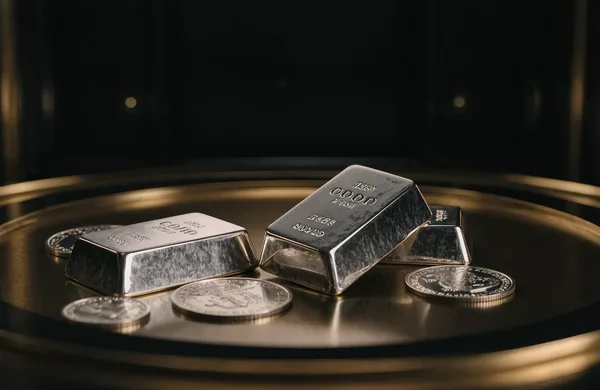
Starting your journey into gold hoarding can be both exciting and daunting. The first step is to educate yourself about the different forms of gold available for investment. Options include gold coins, bars, and jewelry.
Each type has its own advantages and disadvantages, so it's crucial to understand what aligns best with your goals. Research reputable dealers and platforms where you can purchase gold safely and securely. Once you've decided on the type of gold you want to acquire, set a budget that reflects your financial situation.
It's important to start small and gradually build your collection over time. Consider joining online forums or local groups focused on gold investment to gain insights from experienced hoarders. Networking with others can provide valuable tips and help you stay informed about market trends.
The Psychological Appeal of Gold Hoarding
The psychological appeal of gold hoarding is deeply rooted in human history and culture. Gold has been a symbol of wealth and power for centuries, often associated with prosperity and success. This intrinsic value creates a strong emotional connection for many individuals, making them more inclined to invest in it as a form of security.
The act of hoarding gold can evoke feelings of control and stability in an otherwise uncertain world. Moreover, the scarcity of gold adds to its allure. As a finite resource, the limited supply creates a sense of urgency among investors.
This scarcity can lead to a fear of missing out (FOMO), driving individuals to accumulate more gold than they might otherwise consider necessary. The psychological factors at play in gold hoarding highlight the complex relationship between wealth, security, and human behavior.
The Financial Benefits of Hoarding Gold
Hoarding gold offers several financial benefits that make it an attractive investment option. One of the most significant advantages is its ability to act as a hedge against inflation. As the cost of living rises, the value of gold tends to increase as well, preserving purchasing power over time.
This characteristic makes gold an essential component of a diversified investment portfolio. Additionally, gold has historically shown resilience during economic downturns. When stock markets crash or currencies weaken, investors often flock to gold as a safe haven asset.
This demand can drive up prices, providing potential capital gains for those who have invested wisely. Furthermore, owning physical gold can offer peace of mind, knowing that you possess a tangible asset that holds intrinsic value.
The Risks of Hoarding Gold
While there are numerous benefits to hoarding gold, it's essential to acknowledge the risks involved as well. One significant risk is market volatility; the price of gold can fluctuate dramatically based on various factors such as geopolitical tensions or changes in interest rates. This unpredictability can lead to potential losses for investors who are not prepared for sudden market shifts.
Another risk is the challenge of liquidity.
While gold is generally easy to sell, finding a buyer willing to pay your desired price may not always be straightforward. Additionally, storing physical gold poses its own set of risks; theft or loss can occur if proper precautions are not taken.
Understanding these risks is crucial for anyone considering hoarding gold as part of their investment strategy.
How to Store and Protect Your Gold
Proper storage and protection are vital components of successful gold hoarding. The first step is to choose a secure location for your gold holdings. Many investors opt for safe deposit boxes at banks or specialized vaults designed for precious metals storage.
These options provide added security against theft or damage. If you prefer to keep your gold at home, consider investing in a high-quality safe that is both fireproof and waterproof. Ensure that it is hidden from plain sight to deter potential thieves.
Additionally, it's wise to keep an inventory of your gold holdings, including details such as weight and purchase price, for insurance purposes. Taking these precautions will help safeguard your investment and provide peace of mind.
The Impact of Gold Hoarding on the Economy
Gold hoarding can have both positive and negative effects on the economy as a whole. On one hand, increased demand for gold can stimulate mining activities and create jobs within the precious metals industry. This economic activity can contribute positively to local economies and support livelihoods.
Conversely, widespread hoarding can lead to reduced liquidity in financial markets. When individuals choose to hold onto their gold rather than invest it back into the economy, it can create a slowdown in economic growth. Additionally, excessive hoarding may contribute to price inflation in the gold market itself, making it more challenging for new investors to enter the space.
Alternatives to Gold Hoarding
While hoarding gold has its merits, there are several alternatives worth considering for those looking to diversify their investments further. One option is investing in precious metals ETFs (exchange-traded funds), which allow you to gain exposure to gold without physically holding it. These funds track the price of gold and can be traded like stocks on major exchanges.
Another alternative is investing in other commodities such as silver or platinum, which also have intrinsic value and can serve as hedges against inflation. Real estate is another viable option; owning property can provide both rental income and long-term appreciation potential. Exploring these alternatives can help you create a well-rounded investment strategy that aligns with your financial goals.
The Environmental Impact of Gold Hoarding
The environmental impact of gold hoarding is an often-overlooked aspect of this practice. Gold mining can have significant ecological consequences, including habitat destruction, water pollution, and soil degradation. The extraction process often involves harmful chemicals that can contaminate local ecosystems and pose risks to human health.
As awareness grows about these environmental issues, many investors are seeking more sustainable options for their investments. Ethical sourcing practices and responsible mining initiatives are becoming increasingly important considerations for those looking to invest in precious metals without contributing to environmental harm.
The Future of Gold Hoarding
The future of gold hoarding remains uncertain but promising in many ways. As global economic conditions continue to fluctuate, the demand for tangible assets like gold is likely to persist. Investors may increasingly turn to gold as a safeguard against inflation and economic instability.
Technological advancements may also play a role in shaping the future of gold hoarding. Innovations such as blockchain technology could enhance transparency in the buying and selling process while ensuring secure transactions. As more people recognize the value of diversifying their portfolios with physical assets like gold, the practice of hoarding may evolve but remain relevant in an ever-changing financial landscape.
In conclusion, while hoarding gold presents both opportunities and challenges, it remains a compelling option for those seeking financial security and wealth preservation in uncertain times. By understanding the intricacies involved—from storage solutions to market dynamics—individuals can make informed decisions about their investments in this timeless asset class.
Questions
Straight answers on the gold hoarding trend
Why are central banks hoarding gold?
Central banks hoard gold as a way to diversify their reserves, hedge against inflation, and reduce reliance on fiat currencies. Gold is considered a stable and reliable store of value, especially during economic uncertainty or geopolitical tensions.
How much gold do central banks typically hold?
The amount of gold held by central banks varies by country, but collectively, central banks hold thousands of tonnes of gold. The largest holders include the United States, Germany, Italy, and France, each with several thousand tonnes in their reserves.
Does central bank gold buying affect gold prices?
Yes, central bank purchases can influence gold prices by signaling confidence in gold as a reserve asset. Increased buying can lead to higher demand and potentially raise gold prices, while selling can have the opposite effect.
Should individual investors consider buying gold because central banks are hoarding it?
While central bank activity can indicate gold’s value as a safe-haven asset, individual investment decisions should consider personal financial goals, risk tolerance, and market conditions. Gold can be a useful diversification tool but is not suitable for all investors.
What are the common ways individuals can invest in gold?
Individuals can invest in gold through physical gold (coins, bars), gold-backed exchange-traded funds (ETFs), gold mining stocks, or gold mutual funds. Each method has different liquidity, costs, and risk profiles.
Is gold a good hedge against inflation?
Historically, gold has been considered a good hedge against inflation because its value tends to rise when the purchasing power of fiat currencies declines. However, its performance can vary depending on economic conditions.
How does gold compare to other reserve assets like the US dollar or bonds?
Gold is a tangible asset with intrinsic value and is not subject to credit risk, unlike bonds or fiat currencies. However, it does not generate income like interest or dividends. Central banks use gold to complement other reserve assets for diversification and risk management.
Are there risks associated with investing in gold?
Yes, risks include price volatility, lack of income generation, storage and insurance costs for physical gold, and potential regulatory changes. Market demand and geopolitical factors can also impact gold prices.