Munich
Gold Bar Resale Value in Munich Explained Clearly

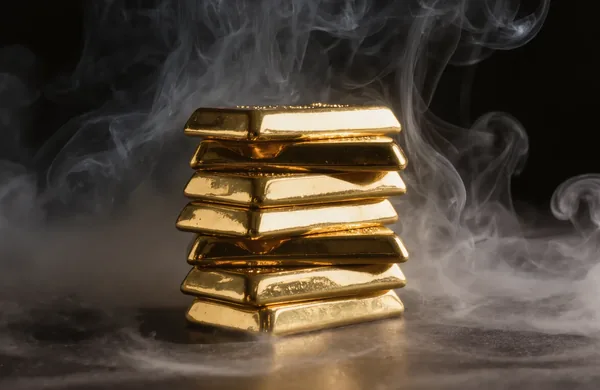
The market for gold bars in Munich is vibrant and dynamic, reflecting both local and global economic conditions. As a major financial hub in Germany, Munich attracts investors and collectors alike who are interested in gold as a safe-haven asset. The demand for gold bars has surged in recent years, driven by economic uncertainty and inflation concerns.
Investors view gold as a reliable store of value, making it an attractive option for diversifying portfolios. In Munich, the gold bar market is characterized by a variety of dealers, from large institutions to smaller, independent shops. This diversity provides buyers with numerous options, but it also means that sellers must navigate a complex landscape when looking to resell their gold bars.
Understanding the local market dynamics is crucial for anyone considering selling their gold bars, as it can significantly impact the resale value.
Factors Affecting the Resale Value of Gold Bars
Several factors influence the resale value of gold bars, and understanding these can help sellers maximize their returns. One of the primary factors is the current market price of gold, which fluctuates based on global supply and demand dynamics. When gold prices rise, the resale value of gold bars typically increases as well.
Conversely, during periods of declining prices, sellers may find it challenging to achieve their desired returns. Another critical factor is the condition and quality of the gold bars. Bars that are well-preserved and free from damage tend to command higher prices.
Additionally, the reputation of the manufacturer can also play a significant role; bars produced by well-known mints or refineries are often more sought after than those from lesser-known sources. Sellers should be aware of these factors to ensure they receive a fair price for their gold bars.
Different Types of Gold Bars and Their Resale Value
Gold bars come in various types and sizes, each with its own implications for resale value. The most common types include cast bars and minted bars. Cast bars are typically produced by pouring molten gold into molds, while minted bars are manufactured using a stamping process.
Minted bars often have a higher resale value due to their aesthetic appeal and branding. The size of the gold bar also affects its resale value.
Larger bars, such as one-kilogram or 400-ounce bars, may offer lower premiums over the spot price compared to smaller bars, like one-ounce or ten-ounce options.
However, smaller bars can be more liquid and easier to sell in smaller increments. Understanding these distinctions can help sellers choose the right type of gold bar for their investment strategy.
Tips for Maximizing the Resale Value of Your Gold Bars
To maximize the resale value of gold bars, sellers should consider several strategies. First, timing is crucial; selling during periods of high demand or when gold prices are elevated can lead to better returns. Keeping an eye on market trends and economic indicators can help sellers identify optimal selling windows.
Additionally, maintaining documentation and certification for gold bars can enhance their resale value. Certificates of authenticity from reputable mints or refineries provide buyers with assurance regarding the quality and purity of the gold. Sellers should also consider working with established dealers who have a good reputation in the market, as they may offer better prices and more reliable transactions.
Where to Sell Gold Bars in Munich
Munich offers various options for selling gold bars, catering to different seller preferences and needs. One popular avenue is through local jewelers and precious metal dealers who specialize in buying gold. These establishments often provide immediate cash offers based on current market prices.
Another option is to sell gold bars through online platforms that connect sellers with buyers. These platforms can offer competitive prices and a broader audience but may involve additional fees or shipping costs. Sellers should research their options thoroughly to find the best fit for their needs, considering factors such as convenience, pricing, and trustworthiness.
The Role of Purity and Weight in Determining Resale Value
Purity and weight are two fundamental aspects that significantly influence the resale value of gold bars. The purity of gold is measured in karats or fineness; 24-karat gold is considered pure gold (99.9% purity). Gold bars with higher purity levels generally command higher prices because they contain more actual gold content.
Weight is another critical factor; gold bars are typically measured in troy ounces or grams. The greater the weight of the bar, the more valuable it is likely to be, assuming purity remains constant. Sellers should ensure they understand both purity and weight when assessing their gold bars' potential resale value.
How Economic Conditions Impact the Resale Value of Gold Bars
Economic conditions play a pivotal role in determining the resale value of gold bars. During times of economic uncertainty or geopolitical tensions, investors often flock to gold as a safe-haven asset, driving up demand and prices. Conversely, when economies are stable and stock markets perform well, demand for gold may decrease, leading to lower resale values.
Inflation rates also impact gold prices; higher inflation typically results in increased interest in gold as a hedge against currency devaluation. Sellers should stay informed about economic indicators such as interest rates, inflation rates, and global events that could influence market sentiment toward gold.
The Importance of Authenticity and Certification for Resale Value
Authenticity and certification are crucial elements that can significantly affect the resale value of gold bars. Buyers are often wary of counterfeit products, so having proper documentation can instill confidence in potential buyers. Certificates from reputable mints or third-party grading services verify the purity and authenticity of the gold bar.
Sellers should prioritize obtaining certificates when purchasing gold bars to enhance their resale potential. Additionally, keeping records of purchase receipts can further validate ownership and authenticity, making it easier to negotiate better prices during resale.
Historical Trends in Gold Bar Resale Value in Munich
Analyzing historical trends in gold bar resale values can provide valuable insights for sellers in Munich. Over the past decade, gold prices have experienced significant fluctuations due to various economic factors, including financial crises and changes in monetary policy. Understanding these trends can help sellers make informed decisions about when to sell their gold bars.
For instance, during periods of economic downturns or crises, such as the 2008 financial crisis or recent global events, gold prices often surged as investors sought safety in precious metals.
By studying these historical patterns, sellers can better anticipate future market movements and optimize their selling strategies accordingly.
Comparing Resale Values of Gold Bars to Other Precious Metals
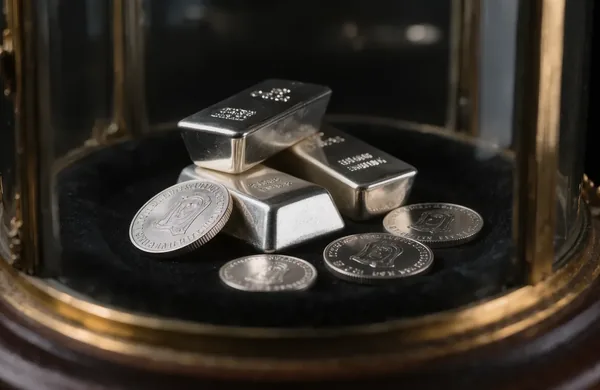
When considering selling gold bars, it's essential to compare their resale values with other precious metals like silver and platinum. While gold has historically been viewed as a more stable investment, silver often has lower entry costs and can provide significant returns during bullish market conditions. Platinum, on the other hand, tends to have higher volatility but can also yield substantial profits under certain circumstances.
Sellers should evaluate their investment goals and risk tolerance when deciding whether to focus solely on gold or diversify into other precious metals.
Potential Risks and Pitfalls to Avoid When Selling Gold Bars
Selling gold bars comes with its own set of risks and pitfalls that sellers should be aware of to avoid potential losses. One common mistake is failing to research current market prices before selling; this can lead to accepting offers that are significantly below market value. Additionally, sellers should be cautious about dealing with unverified buyers or dealers who may not offer fair prices or may engage in fraudulent practices.
It's essential to conduct due diligence by checking reviews and ratings before entering into any transactions. In conclusion, understanding the intricacies of the gold bar market in Munich is vital for anyone looking to sell their investment successfully. By considering factors such as purity, weight, economic conditions, and authenticity, sellers can maximize their returns while minimizing risks associated with selling precious metals.
Questions
Straight answers on Munich
What factors influence the resale value of gold bars in Munich?
The resale value of gold bars in Munich is influenced by factors such as the current market price of gold, the purity and weight of the gold bar, the reputation of the manufacturer, and the condition of the bar. Additionally, local demand and supply dynamics in Munich can also affect resale prices.
Where can I sell gold bars in Munich?
Gold bars can be sold at various places in Munich including authorized gold dealers, banks, pawnshops, and specialized precious metal retailers. It is advisable to choose reputable buyers who offer transparent pricing and proper certification.
How is the purity of a gold bar verified during resale?
The purity of a gold bar is typically verified using assays, hallmark stamps, or certificates of authenticity provided by the manufacturer. Some buyers may also use electronic testing devices or X-ray fluorescence (XRF) analyzers to confirm purity before purchase.
Does the size or weight of a gold bar affect its resale value?
Yes, the size and weight of a gold bar affect its resale value. Larger bars often have a lower premium per gram compared to smaller bars, but the total value depends on the current gold price multiplied by the bar’s weight. Standard weights like 1 gram, 10 grams, 1 ounce, or 1 kilogram are commonly traded.
Are there any taxes or fees when reselling gold bars in Munich?
In Munich, resale of gold bars may be subject to value-added tax (VAT) exemptions if the gold qualifies as investment gold. However, capital gains tax may apply depending on the seller’s individual tax situation. Buyers and sellers should consult local tax regulations or a tax advisor for precise information.
How quickly can I sell gold bars in Munich?
Gold bars can typically be sold quickly in Munich due to the active precious metals market. Transactions can often be completed within the same day, especially when selling to established dealers or banks.
Is it better to sell gold bars in Munich or elsewhere?
Selling gold bars in Munich can be advantageous due to the city’s well-established precious metals market and availability of reputable buyers. However, comparing offers from multiple buyers locally and internationally can help ensure the best resale value.
What documentation is needed to resell gold bars in Munich?
When reselling gold bars in Munich, it is helpful to have the original purchase receipt, certificate of authenticity, and any assay reports. These documents help verify the gold’s authenticity and purity, facilitating a smoother transaction.