Berlin
Gold Bar Prices in Berlin: What Influences Them
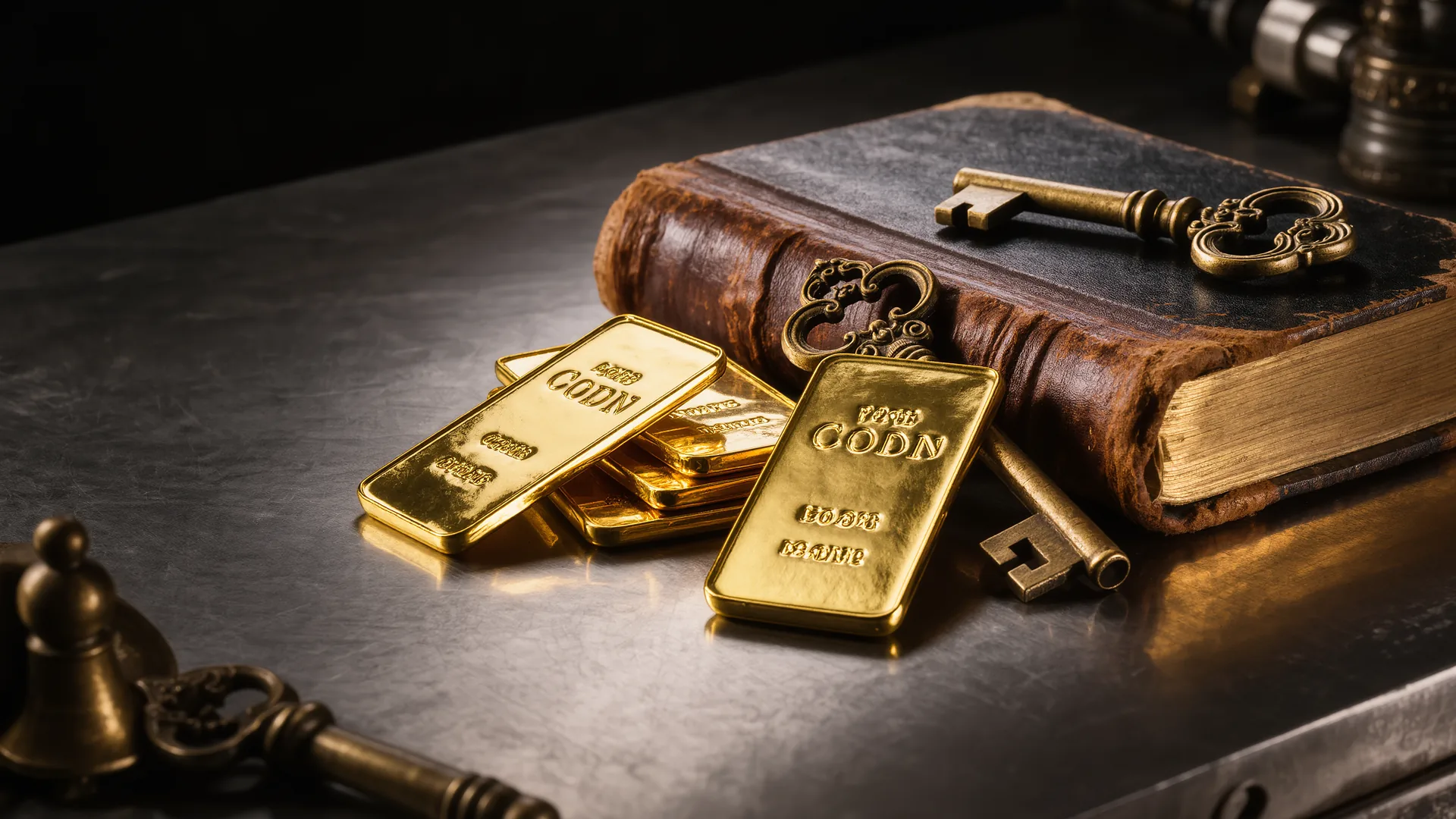
Gold serves as a globally recognized store of value, with its pricing closely tracked by investors, financial institutions, and precious metals dealers. In Berlin, gold bar prices experience regular fluctuations driven by multiple market variables, requiring buyers and sellers to maintain current market awareness. Knowledge of gold bar pricing dynamics in Berlin enables informed investment decisions and provides insight into broader economic conditions.
Gold bars represent physical assets that historically maintain value during periods of economic uncertainty and market volatility.
This analysis examines the key factors influencing gold bar prices in Berlin's precious metals market, offering essential information for individuals considering gold investments.
Gold's monetary role spans centuries, establishing its position as a wealth preservation instrument across different economic systems.
Berlin's precious metals market reflects both local supply and demand conditions alongside international gold price movements and macroeconomic factors. Understanding these price determinants allows investors to make calculated decisions based on market fundamentals and their investment objectives. The Berlin gold market operates within Germany's regulated precious metals framework, where prices respond to factors including international spot gold rates, currency exchange fluctuations, dealer premiums, and local market conditions.
These elements collectively determine the final pricing structure for gold bars in the Berlin marketplace.
Factors Affecting Gold Bar Prices
Several key factors influence the prices of gold bars in Berlin. One of the most significant is the global price of gold, which is determined by supply and demand dynamics on international markets.
When global demand for gold increases, prices tend to rise, reflecting the heightened interest from investors seeking to hedge against economic uncertainty.
Conversely, when demand wanes, prices may decline, impacting local markets like Berlin. Another critical factor is the quality and purity of the gold bars being sold. Gold bars are typically measured in karats or fineness, with 24-karat gold being the purest form.
Higher purity levels often command higher prices due to their desirability among investors. Additionally, the reputation of the manufacturer or dealer can also play a role in pricing; well-known brands may charge a premium for their products due to perceived quality and trustworthiness.
Global Economic Conditions and Gold Bar Prices
Global economic conditions have a profound impact on gold bar prices in Berlin. During times of economic instability or recession, investors often flock to gold as a safe haven asset. This increased demand can drive up prices significantly.
For instance, during financial crises or stock market downturns, gold often sees a surge in interest as people seek to protect their wealth from potential losses in other investments. Conversely, when the economy is thriving and stock markets are performing well, demand for gold may decrease as investors shift their focus to equities and other growth-oriented assets. This shift can lead to a decline in gold prices, affecting local markets like Berlin.
Understanding these economic cycles is crucial for anyone looking to invest in gold bars, as timing can greatly influence profitability.
Political Instability and Gold Bar Prices
Political instability is another factor that can lead to fluctuations in gold bar prices in Berlin. Events such as elections, government changes, or geopolitical tensions can create uncertainty in financial markets. In such scenarios, investors often turn to gold as a hedge against potential risks associated with political upheaval.
This increased demand can result in higher prices for gold bars. For example, during times of heightened geopolitical tensions or conflicts, the price of gold typically rises as investors seek refuge from market volatility. In contrast, when political situations stabilize and confidence returns to markets, demand for gold may decrease, leading to lower prices.
Therefore, staying informed about global political developments is essential for anyone involved in the gold market.
Demand and Supply of Gold Bars in Berlin
The balance between demand and supply plays a crucial role in determining gold bar prices in Berlin. When demand for gold bars exceeds supply, prices tend to rise as buyers compete for limited inventory. This scenario often occurs during periods of economic uncertainty or when there is increased interest from institutional investors.
On the other hand, if supply outstrips demand, prices may fall as sellers lower their prices to attract buyers. Factors such as mining production levels and recycling rates can influence supply dynamics. For instance, if mining companies increase production or if more recycled gold enters the market, this can lead to an oversupply situation that may depress prices.
Currency Exchange Rates and Gold Bar Prices
Currency exchange rates also have a significant impact on gold bar prices in Berlin. Gold is typically priced in U.S. dollars on international markets; therefore, fluctuations in currency values can affect local pricing.
When the euro weakens against the dollar, it can make gold more expensive for European buyers, potentially reducing demand. Conversely, if the euro strengthens against the dollar, gold becomes relatively cheaper for European investors, which may increase demand and drive up prices. Understanding these currency dynamics is essential for anyone looking to invest in gold bars in Berlin, as they can directly influence purchasing power and investment decisions.
Inflation and Gold Bar Prices
Inflation is another critical factor that affects gold bar prices in Berlin. As inflation rises, the purchasing power of currency declines, leading investors to seek assets that can preserve value over time. Gold has historically been viewed as an effective hedge against inflation; therefore, during periods of rising inflation, demand for gold bars often increases.
When inflation rates are high, central banks may respond by raising interest rates to control price levels. This response can create uncertainty in financial markets and lead investors back to gold as a safe haven asset. Consequently, understanding inflation trends is vital for anyone considering investing in gold bars.
Gold Bar Prices and Interest Rates
Interest rates play a significant role in shaping gold bar prices in Berlin. When interest rates are low, the opportunity cost of holding non-yielding assets like gold decreases. This scenario often leads to increased demand for gold bars as investors seek alternatives to traditional interest-bearing investments.
Conversely, when interest rates rise, the appeal of holding gold diminishes since investors may prefer assets that generate income through interest payments. As a result, higher interest rates can lead to decreased demand for gold bars and subsequently lower prices. Monitoring interest rate trends is essential for investors looking to time their purchases effectively.
Gold Bar Prices and Geopolitical Events
Geopolitical events can create significant volatility in financial markets and directly impact gold bar prices in Berlin. Events such as military conflicts, trade disputes, or diplomatic tensions can lead to increased uncertainty among investors. In such situations, many turn to gold as a safe haven asset, driving up demand and consequently increasing prices.
For instance, during times of heightened geopolitical tensions or crises, the price of gold often experiences sharp increases as investors seek refuge from potential market disruptions. Conversely, when geopolitical tensions ease and stability returns to markets, demand for gold may decrease, leading to lower prices.
Gold Bar Prices and Market Speculation
Market speculation also plays a crucial role in influencing gold bar prices in Berlin. Traders and investors often speculate on future price movements based on various factors such as economic indicators, geopolitical events, and market sentiment. This speculation can lead to short-term price fluctuations that may not necessarily reflect underlying supply and demand fundamentals.
For example, if traders anticipate rising inflation or geopolitical tensions, they may buy large quantities of gold bars in anticipation of price increases. This speculative buying can drive up prices temporarily until actual market conditions catch up with speculative sentiment. Understanding market psychology is essential for investors looking to navigate these fluctuations effectively.
Understanding the Fluctuations in Gold Bar Prices in Berlin
In conclusion, understanding the fluctuations in gold bar prices in Berlin requires a comprehensive analysis of various interconnected factors. From global economic conditions and political instability to currency exchange rates and market speculation, each element plays a vital role in shaping the local market landscape. By staying informed about these dynamics, investors can make more strategic decisions regarding their investments in gold bars.
As a tangible asset with intrinsic value, gold continues to attract interest from both individual investors and institutions alike. Whether you are looking to hedge against inflation or diversify your investment portfolio, being aware of the factors influencing gold bar prices will empower you to navigate this complex market effectively.
Questions
Straight answers on Berlin
What factors influence gold bar prices in Berlin?
Gold bar prices in Berlin are influenced by global gold market trends, currency exchange rates (especially the Euro to US Dollar), local demand and supply, import duties, and economic conditions in Germany and the European Union.
How often do gold bar prices change in Berlin?
Gold bar prices in Berlin typically change throughout the trading day, reflecting fluctuations in the international gold market and currency exchange rates. Prices are updated in real-time or at regular intervals by dealers and financial institutions.
Does the purity of gold affect its price in Berlin?
Yes, the purity of gold significantly affects its price. Gold bars are usually measured in karats or fineness, with 24-karat (99.99% pure) gold bars commanding the highest prices due to their purity.
Are there additional costs when buying gold bars in Berlin?
Yes, buyers may incur additional costs such as dealer premiums, taxes (like VAT exemptions on investment gold), storage fees, and insurance. These costs can vary depending on the seller and the size of the purchase.
Can local economic conditions in Berlin impact gold bar prices?
While gold prices are primarily driven by global factors, local economic conditions, political stability, and investor sentiment in Berlin and Germany can influence demand, which in turn may affect local pricing.
Where can I check current gold bar prices in Berlin?
Current gold bar prices in Berlin can be checked through reputable local dealers, banks, financial news websites, and online gold trading platforms that provide real-time pricing based on the international gold market.
Is the price of gold bars in Berlin different from other cities?
Prices may vary slightly between cities due to differences in dealer premiums, local taxes, and demand. However, since gold is a globally traded commodity, the base price remains closely aligned with international market rates.
How does the Euro exchange rate affect gold bar prices in Berlin?
Since gold is priced internationally in US Dollars, fluctuations in the Euro to US Dollar exchange rate can impact the price of gold bars in Berlin. A weaker Euro generally makes gold more expensive in Euro terms, while a stronger Euro can lower the price.