Munich
Gold Appraisal in Munich: What Dealers Don’t Explain
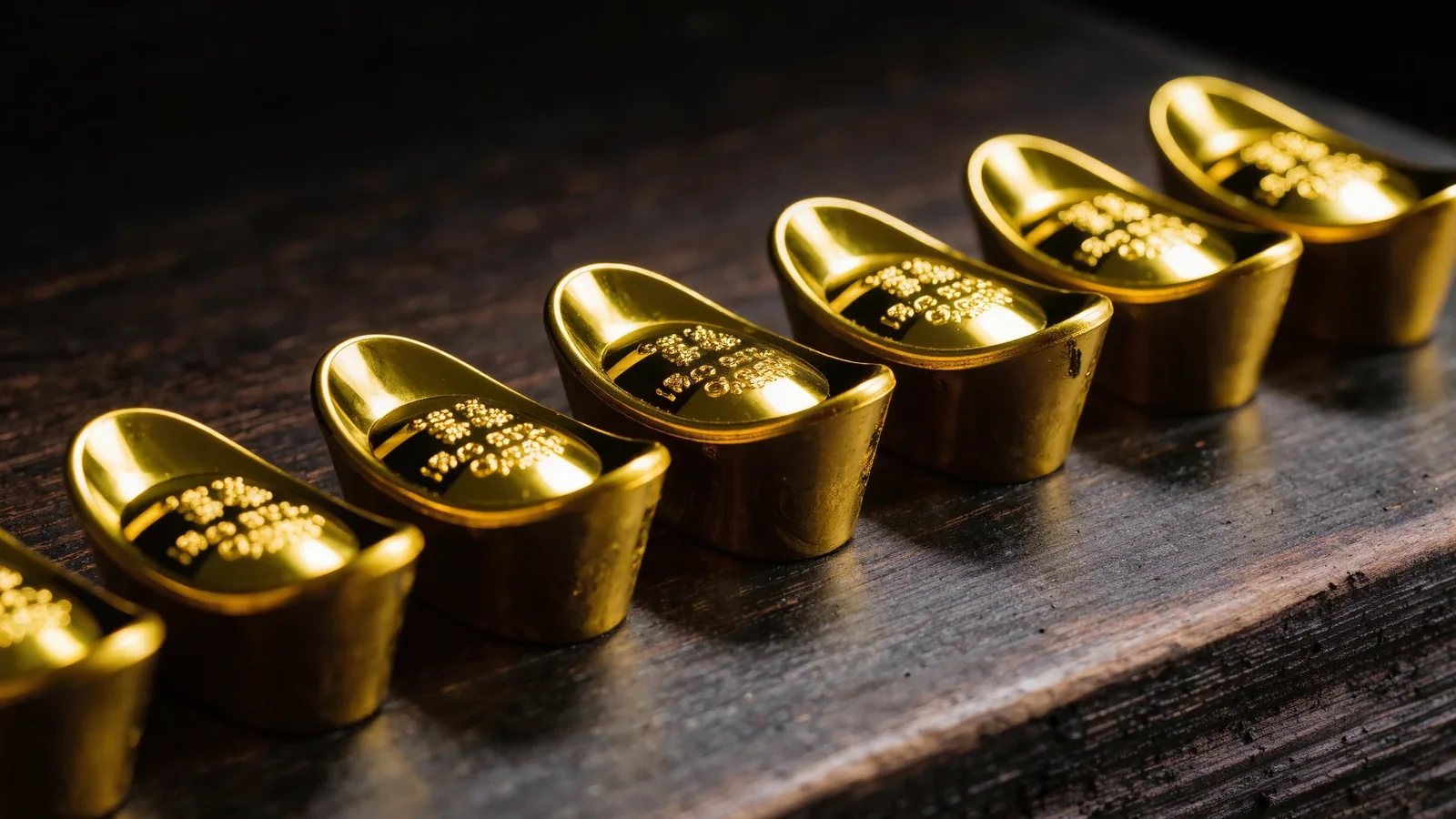
Gold appraisal is the professional assessment of gold items to determine their market value and authenticity. This process involves evaluating factors such as purity, weight, craftsmanship, and current market prices to establish an accurate valuation. Professional appraisers use specialized equipment including electronic gold testers, scales, and magnification tools to assess gold content and quality.
The appraisal process serves multiple practical purposes. For buyers and sellers, it provides objective market value information necessary for fair transactions. Investors rely on appraisals to make informed decisions about gold acquisitions or liquidations based on current precious metals markets.
Insurance companies require documented appraisals to establish coverage amounts and process claims for gold items. Gold appraisals are particularly important given the volatility of precious metals markets. Gold prices fluctuate based on economic conditions, currency values, and global demand.
Regular appraisals ensure that valuations reflect current market conditions rather than outdated assessments. This is especially relevant for insurance purposes, where undervalued items may result in insufficient coverage, while overvalued items lead to unnecessary premium costs.
Understanding the Factors that Affect Gold Value
Several factors influence the value of gold, making it essential to understand them before seeking an appraisal. The most significant factor is the current market price of gold, which can change daily based on supply and demand dynamics. Economic conditions, geopolitical events, and currency fluctuations also play a role in determining gold's market value.
Another critical factor is the purity of the gold.
Gold is measured in karats, with 24 karats being pure gold. The higher the karat, the more valuable the gold.
Additionally, the weight of the gold item directly affects its value; heavier pieces typically command higher prices. Understanding these factors can help you set realistic expectations when getting your gold appraised.
The Process of Gold Appraisal in Munich
In Munich, the gold appraisal process typically begins with an initial consultation. During this meeting, the appraiser will assess your gold items and discuss their history and condition. This step is crucial as it allows the appraiser to gather information that will influence the final valuation.
Next, the appraiser will conduct a thorough examination of your gold items. This includes testing for purity using various methods such as acid tests or electronic testers. The appraiser will also weigh the items to determine their total mass.
After gathering all necessary data, they will compare it against current market prices to provide you with an accurate appraisal value.
Common Misconceptions About Gold Appraisal
Many people hold misconceptions about gold appraisal that can lead to confusion and mistrust. One common myth is that all appraisers are created equal. In reality, qualifications and expertise can vary significantly among appraisers.
It’s essential to choose someone with a solid reputation and experience in the field. Another misconception is that appraisals are only necessary for high-value items. However, even lower-value pieces can benefit from an appraisal, especially if you plan to sell them or insure them.
Understanding these misconceptions can help you navigate the appraisal process more effectively.
How Dealers Determine Gold Value
Gold dealers use a combination of factors to determine the value of gold items. They start by assessing the current market price of gold per ounce, which serves as a baseline for valuation. Dealers also consider the purity and weight of the gold, as these elements directly impact its worth.
Additionally, dealers may factor in the item's condition and any historical significance it may have. For example, vintage jewelry or rare coins may fetch higher prices due to their collectible nature. Understanding how dealers assess value can empower you during negotiations and help you achieve a fair price for your gold.
The Role of Purity and Weight in Gold Appraisal
Purity and weight are two of the most critical components in gold appraisal. Purity is measured in karats, with 24 karats representing pure gold. Items with higher purity levels are generally more valuable because they contain more gold content.
For instance, an 18-karat piece contains 75% gold, while a 14-karat piece contains only 58.3% gold. Weight is equally important; it is measured in grams or ounces.
The heavier the item, the more valuable it typically is, assuming similar purity levels.
Appraisers will weigh your gold items carefully to ensure an accurate valuation based on both purity and weight.
Hidden Fees and Costs in Gold Appraisal
When seeking a gold appraisal, it's essential to be aware of potential hidden fees and costs that may arise during the process. Some appraisers charge a flat fee for their services, while others may take a percentage of the final sale price if you choose to sell your gold through them. Additionally, there may be costs associated with testing or certification that are not included in the initial appraisal fee.
Always ask for a detailed breakdown of costs upfront to avoid surprises later on. Transparency in pricing is crucial for building trust with your appraiser.
Tips for Getting a Fair Gold Appraisal
To ensure you receive a fair gold appraisal, consider following these tips: 1. Research: Familiarize yourself with current gold prices and market trends. 2. Choose Reputable Appraisers: Look for certified professionals with positive reviews. 3.
Get Multiple Appraisals: Comparing values from different appraisers can provide insight into fair pricing. 4. Ask Questions: Don’t hesitate to inquire about the appraisal process and how values are determined. 5. Document Everything: Keep records of all appraisals for future reference.
By taking these steps, you can enhance your chances of receiving an accurate and fair appraisal for your gold items.
The Difference Between Retail and Wholesale Gold Prices
Understanding the difference between retail and wholesale gold prices is vital when considering an appraisal. Retail prices are what consumers pay at jewelry stores or dealers; these prices include markups for overhead costs and profit margins. Conversely, wholesale prices reflect what dealers pay to acquire gold from suppliers.
When getting an appraisal, it's essential to know that you may not receive retail prices if you decide to sell your gold. Instead, expect offers closer to wholesale prices since dealers need to resell at a profit. This knowledge can help manage expectations during the selling process.
What to Look for in a Reputable Gold Appraiser
Finding a reputable gold appraiser is crucial for ensuring a fair evaluation of your items. Start by checking their credentials; look for certifications from recognized organizations such as the American Society of Appraisers or the International Society of Appraisers. Additionally, read reviews and testimonials from previous clients to gauge their reputation in the industry.
A trustworthy appraiser should be transparent about their process and willing to answer any questions you may have. Finally, consider their experience; an appraiser with years in the field will likely provide more accurate valuations.
The Benefits of Getting Multiple Gold Appraisals
Obtaining multiple gold appraisals offers several advantages that can enhance your selling experience. First, it allows you to compare values from different professionals, giving you a broader perspective on what your items are worth. This can help you identify any discrepancies and make informed decisions.
Second, multiple appraisals can provide leverage during negotiations with potential buyers or dealers. If one appraiser values your item significantly higher than another, you can use this information to negotiate better terms. Lastly, getting multiple opinions fosters trust in the appraisal process and ensures that you are not settling for less than your gold's true value.
In conclusion, understanding the intricacies of gold appraisal is essential for anyone looking to buy or sell gold items effectively. By being informed about factors affecting value, choosing reputable appraisers, and considering multiple opinions, you can navigate this process with confidence and achieve fair outcomes for your investments.
Questions
Straight answers on Munich
What is gold appraisal?
Gold appraisal is the process of evaluating the purity, weight, and market value of gold items such as jewelry, coins, or bullion. It helps determine the current worth of gold based on factors like karat, craftsmanship, and market demand.
Why is gold appraisal important in Munich?
Munich is a major city with a vibrant market for buying and selling gold. Accurate gold appraisal ensures that sellers and buyers get a fair price, protects against fraud, and helps in making informed decisions when trading gold.
How do gold dealers in Munich typically appraise gold?
Dealers usually assess gold by testing its purity using methods like acid tests, electronic testers, or X-ray fluorescence (XRF). They also weigh the gold and consider current market prices before offering a price.
Are there any common practices that gold dealers in Munich might not disclose?
Some dealers may not fully explain deductions for craftsmanship, wear and tear, or market fluctuations. They might also offer prices below the actual market value to maximize their profit margin.
Can I get a gold appraisal done for free in Munich?
Many dealers and pawnshops in Munich offer free gold appraisals as a service to attract customers. However, it is advisable to get multiple appraisals to ensure accuracy and fairness.
What should I look for when choosing a gold appraiser in Munich?
Choose a reputable and certified appraiser with transparent pricing and clear explanations of their evaluation process. Reviews and recommendations can also help identify trustworthy dealers.
Does the gold market price fluctuate in Munich?
Yes, gold prices fluctuate daily based on global market trends, currency values, and economic factors. This affects the appraisal value and the price dealers offer.
Is it better to sell gold to a dealer or a private buyer in Munich?
Selling to a dealer is usually quicker and more secure, but private buyers might offer higher prices. However, private sales carry more risk and require careful verification.
How can I verify the authenticity of a gold appraisal in Munich?
Request a detailed written report, including purity tests and weight measurements. You can also seek a second opinion from another certified appraiser or use independent testing services.
What legal regulations govern gold appraisal and sales in Munich?
Gold transactions in Munich are subject to consumer protection laws and regulations to prevent fraud. Dealers must comply with identification and reporting requirements, especially for large transactions.