Journal
The Elite's Gold Rush: A Useless Investment?
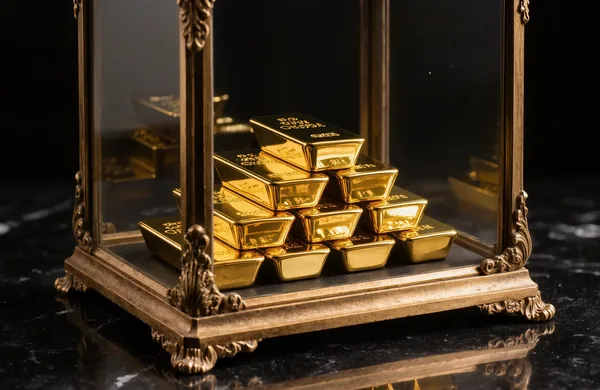
Gold has captivated human interest for centuries, serving not only as a symbol of wealth but also as a reliable investment vehicle. Its intrinsic value, rarity, and historical significance make it a sought-after asset for investors looking to preserve wealth and hedge against inflation. Unlike fiat currencies, which can be printed at will, gold is finite, giving it a unique appeal in times of economic uncertainty.
Investors often turn to gold during market volatility, viewing it as a safe haven that can withstand the test of time. The allure of gold lies in its dual nature: it is both a tangible asset and a store of value. This combination makes it particularly attractive to those who wish to diversify their portfolios.
Gold has historically maintained its purchasing power, making it an effective hedge against inflation. As global economies fluctuate, the demand for gold often rises, reinforcing its status as a reliable investment choice.
Historical trends in the value of gold
The historical trends in the value of gold reveal a fascinating narrative of economic cycles and investor behavior. Over the past few decades, gold prices have experienced significant fluctuations, influenced by various factors such as geopolitical tensions, inflation rates, and changes in monetary policy. For instance, during the 1970s, gold prices surged due to rampant inflation and economic instability, reaching an all-time high in 1980.
This trend was mirrored again in the 2000s when gold prices soared as investors sought refuge from the financial crisis. Analyzing these historical trends provides valuable insights into how gold reacts to external pressures. For example, the price of gold tends to rise during periods of economic downturn or uncertainty, as investors flock to this precious metal for security.
Conversely, when economies stabilize and confidence returns, gold prices may decline. Understanding these patterns can help investors make informed decisions about when to buy or sell their gold holdings.
The impact of economic instability on gold prices
Economic instability has a profound impact on gold prices, often driving them higher as investors seek safety. During times of crisis—such as financial recessions, political unrest, or global pandemics—gold is perceived as a stable asset that retains value. For instance, during the 2008 financial crisis, gold prices surged as investors lost faith in traditional financial markets.
This trend was evident again during the COVID-19 pandemic when gold reached record highs amid widespread uncertainty. The relationship between economic instability and gold prices is not merely coincidental; it is rooted in investor psychology. When confidence in currencies and financial systems wanes, gold becomes an attractive alternative.
Investors view it as a hedge against currency devaluation and inflation, leading to increased demand and higher prices. This dynamic underscores the importance of monitoring economic indicators and geopolitical events for those considering investing in gold.
The role of gold in a diversified investment portfolio
Gold plays a crucial role in a diversified investment portfolio, offering unique benefits that can enhance overall returns while mitigating risk. As a non-correlated asset, gold often moves independently of stocks and bonds, providing a buffer during market downturns. This characteristic makes it an essential component for investors seeking to balance their portfolios and reduce volatility.
Incorporating gold into an investment strategy can also improve long-term performance. Historical data suggests that portfolios containing gold tend to outperform those without it during periods of economic stress. By allocating a portion of their investments to gold, individuals can achieve greater stability and potentially higher returns over time.
This diversification strategy is particularly appealing for risk-averse investors looking to safeguard their wealth.
The environmental and social costs of gold mining
While gold is often lauded for its investment potential, it is essential to consider the environmental and social costs associated with its extraction. Gold mining can have devastating effects on ecosystems, including deforestation, water pollution, and habitat destruction. The use of toxic chemicals like cyanide and mercury in mining processes poses significant risks to both the environment and local communities.
Moreover, the social implications of gold mining cannot be overlooked. Many mining operations are located in developing countries where labor practices may be exploitative. Workers often face hazardous conditions and inadequate compensation.
As awareness of these issues grows, socially responsible investors are increasingly scrutinizing the ethical implications of their investments in gold. This shift highlights the need for greater transparency and accountability within the gold mining industry.
The potential for gold to lose its status as a safe haven asset
Despite its long-standing reputation as a safe haven asset, there are emerging concerns about gold's ability to maintain this status in the future. As global economies evolve and new investment vehicles gain popularity, some analysts question whether gold will continue to be viewed as a reliable store of value. Factors such as technological advancements and changing investor preferences could challenge gold's traditional role.
Additionally, the rise of cryptocurrencies presents a potential threat to gold's status as a safe haven asset.
Digital currencies like Bitcoin have gained traction among investors seeking alternatives to traditional assets.
As these new forms of investment become more mainstream, they may dilute the demand for gold as a protective asset during times of uncertainty.
This shift could lead to increased volatility in gold prices and challenge its long-held position in investment portfolios.
The rise of alternative investment options
The investment landscape is rapidly changing, with alternative options gaining popularity among investors seeking diversification beyond traditional assets like stocks and bonds. Real estate, cryptocurrencies, and commodities are just a few examples of alternatives that have captured investor interest in recent years. These options offer unique benefits that can complement or even replace traditional investments.
As alternative investments become more accessible through technology and online platforms, investors are increasingly exploring these avenues for growth. For instance, real estate crowdfunding allows individuals to invest in properties without the need for substantial capital upfront. Similarly, cryptocurrencies offer high-risk, high-reward opportunities that appeal to younger investors looking for innovative ways to grow their wealth.
The potential for gold to become obsolete in a digital economy
In an increasingly digital economy, there are concerns about the potential obsolescence of gold as an investment option. As technology continues to advance, new forms of currency and assets are emerging that challenge traditional notions of value. Digital currencies like Bitcoin and Ethereum have gained significant traction, leading some to question whether physical assets like gold will remain relevant.
Moreover, the rise of digital payment systems and cashless transactions may further diminish the demand for physical gold. As consumers become more accustomed to digital transactions, the allure of holding tangible assets may wane. This shift could lead to decreased interest in gold as an investment option, prompting investors to seek alternatives that align with modern financial practices.
The influence of government policies on gold prices
Government policies play a critical role in shaping the dynamics of gold prices. Central banks around the world hold significant reserves of gold as part of their monetary policy strategies. Decisions regarding interest rates, inflation targets, and currency valuations can directly impact the demand for gold among investors.
For instance, when central banks lower interest rates or engage in quantitative easing, the opportunity cost of holding non-yielding assets like gold decreases. This often leads to increased demand for gold as investors seek protection against inflation and currency devaluation. Conversely, tightening monetary policy can lead to lower demand for gold as investors shift their focus back to interest-bearing assets.
The ethical considerations of investing in gold
Investing in gold raises important ethical considerations that investors must navigate carefully. The environmental impact of mining operations is a significant concern, with many mines causing irreversible damage to ecosystems and local communities. Additionally, labor practices within the industry can be exploitative, raising questions about the morality of supporting such operations.
As awareness of these issues grows, socially responsible investing (SRI) has gained traction among conscientious investors. Many individuals now seek out ethically sourced or conflict-free gold options that prioritize environmental sustainability and fair labor practices.
By choosing investments that align with their values, investors can contribute to positive change within the industry while still pursuing financial growth.
The future outlook for gold as an investment option
The future outlook for gold as an investment option remains complex and multifaceted. While it continues to be viewed as a safe haven asset during times of economic uncertainty, emerging trends suggest that its dominance may be challenged by alternative investments and changing consumer preferences. However, many analysts believe that gold will retain its relevance due to its historical significance and intrinsic value.
As global economies navigate ongoing challenges such as inflationary pressures and geopolitical tensions, demand for gold may remain strong among risk-averse investors seeking stability. Additionally, innovations within the industry—such as sustainable mining practices—could enhance its appeal among socially conscious investors. Ultimately, while the landscape may evolve, gold is likely to maintain its status as a valuable component within diversified investment portfolios for years to come.
In conclusion, while investing in gold presents both opportunities and challenges, understanding its historical context and current dynamics is essential for making informed decisions. As you consider your investment strategy, weigh the benefits against potential risks and ethical implications to ensure your choices align with your financial goals and values.
Questions
Straight answers on the elite's gold rush
Why is gold often considered "useless"?
Gold is sometimes labeled "useless" because it does not have significant industrial applications compared to other metals. It does not corrode, is highly malleable, and is primarily valued for its aesthetic and monetary properties rather than practical utility in manufacturing or technology.
Why do elites and investors buy gold despite it being called "useless"?
Elites and investors buy gold because it is a traditional store of value and a hedge against economic uncertainty, inflation, and currency fluctuations. Gold is seen as a safe haven asset that retains value when other investments may decline.
How does gold function as a hedge against inflation?
Gold tends to maintain its purchasing power over time, so when inflation rises and the value of paper currency declines, gold prices often increase. This makes it a popular asset for protecting wealth during periods of high inflation.
What factors influence the demand for gold among wealthy individuals?
Factors include economic instability, geopolitical tensions, currency devaluation, low or negative interest rates, and concerns about the stability of financial markets. These conditions drive demand for gold as a secure and liquid asset.
Is gold a good investment compared to other assets?
Gold is considered a good diversification tool within an investment portfolio because it often behaves differently from stocks and bonds. However, it does not generate income like dividends or interest, so its suitability depends on individual investment goals and market conditions.
How much gold do central banks and elites typically hold?
Central banks and wealthy individuals often hold significant quantities of gold as part of their reserves or investment portfolios. Central banks collectively hold tens of thousands of metric tons of gold globally, and elites may hold gold in various forms such as bullion, coins, or ETFs.
What are the risks associated with investing in gold?
Risks include price volatility, lack of income generation, storage and insurance costs, and potential regulatory changes. Additionally, gold prices can be influenced by market sentiment and macroeconomic factors, which can lead to fluctuations.
How is gold purchased by elites and investors?
Gold can be purchased in physical form (bars, coins), through financial instruments like gold ETFs, futures contracts, mining stocks, or gold-backed digital assets. The choice depends on liquidity needs, storage preferences, and investment strategies.